 OMM Redaksiyası

The German town of Heidenau, near Dresden in Saxony, has banned the installation of “stumbling stone” memorials commemorating Jews and other victims of Nazi persecution, prompting widespread criticism, according to the BBC.
Germany’s Education Minister Karin Prien described the decision as a “scandal” in an interview with the Bild newspaper.
Known in German as Stolpersteine, the small brass plaques have been installed since the 1990s in towns across Europe, including Germany and Austria. They are typically embedded in pavements outside the homes or workplaces of people persecuted by the Nazis and are often financed through donations.
Why Heidenau banned the plaques
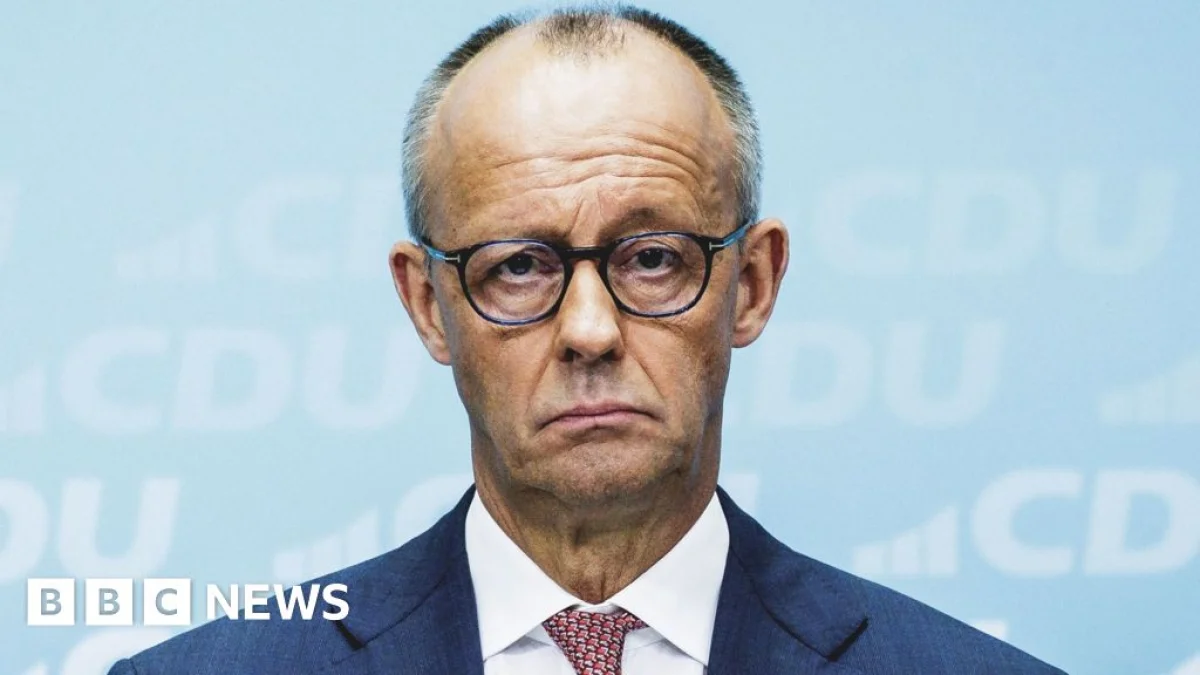
Councillors from the Alternative für Deutschland (AfD) and the conservative CDU supported the ban in Heidenau. The AfD’s branch in Saxony has been classified as far-right by Germany’s domestic intelligence service, a designation the party rejects.
The town council motion said many residents considered the form of remembrance inappropriate. It proposed relocating future memorials to the Nordfriedhof cemetery, where visitors would not be able to step directly on the memorial elements.
Criticism from officials and Jewish leaders
Prien, who belongs to the CDU, said moving Stolpersteine and memorials commemorating Jewish life from public spaces to a cemetery would “prioritise death over life” and make Jewish people invisible again. She added that her own party in Saxony also bore responsibility for the decision.
Charlotte Knobloch, a Holocaust survivor and president of the Jewish Community in Munich, called the move “completely the wrong approach”. She told the Funke Media Group that she was appalled that a democratic party had supported what she described as an effort by AfD extremists.
Knobloch said she did not personally support Stolpersteine, but argued that decentralised remembrance in public spaces was essential to a meaningful culture of remembrance.
Munich does not allow Stolpersteine on municipal land, although the city permits memorial plaques on public buildings.
AfD gains and the memorial debate
Artist Gunter Demnig, who launched the Stolperstein project, said the development was expected amid the AfD’s recent electoral successes.
The party recently made significant gains in state elections in Saxony-Anhalt and Mecklenburg-Vorpommern. Some AfD branches are classified by domestic intelligence as right-wing extremist, a label the party strongly rejects. Its anti-immigration, “Germany first” and Russia-friendly agenda has gained support in parts of Germany’s former communist east.