The prosecution services of Azerbaijan and Mongolia have signed a Memorandum of Understanding aimed at strengthening legal cooperation and intensifying bilateral relations between the two institutions.
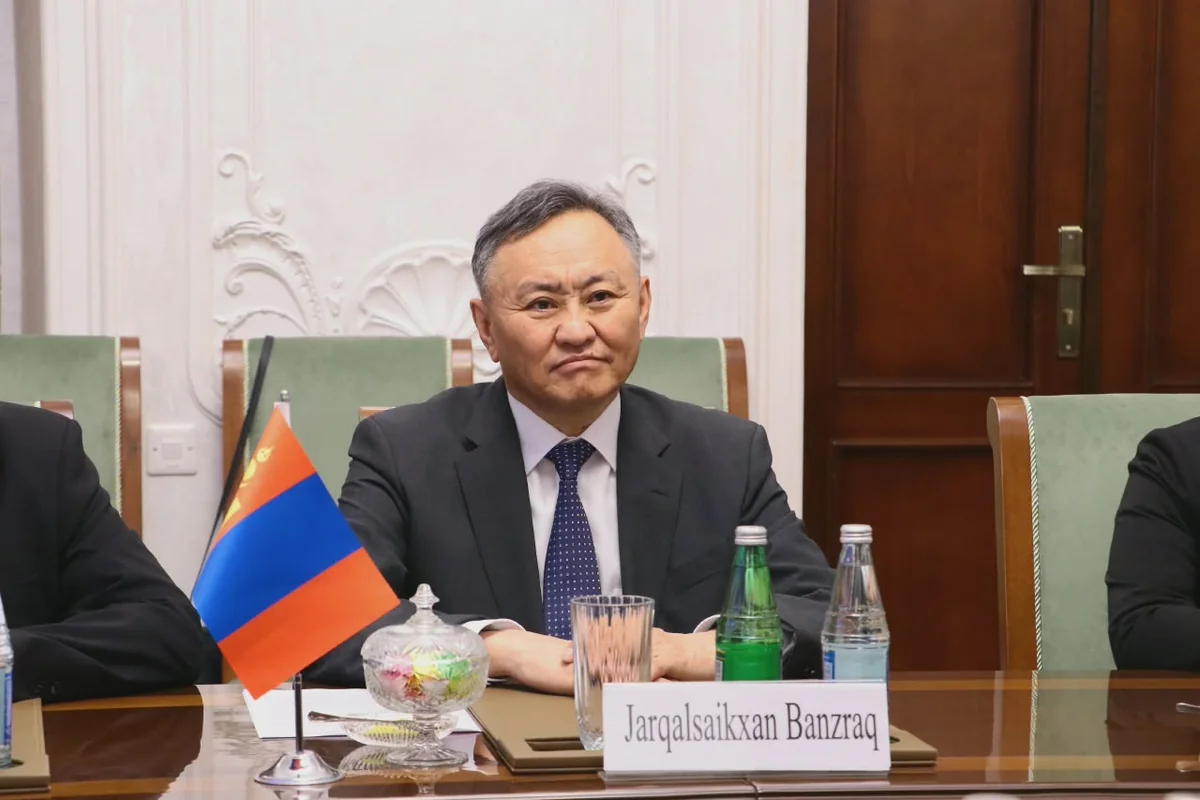
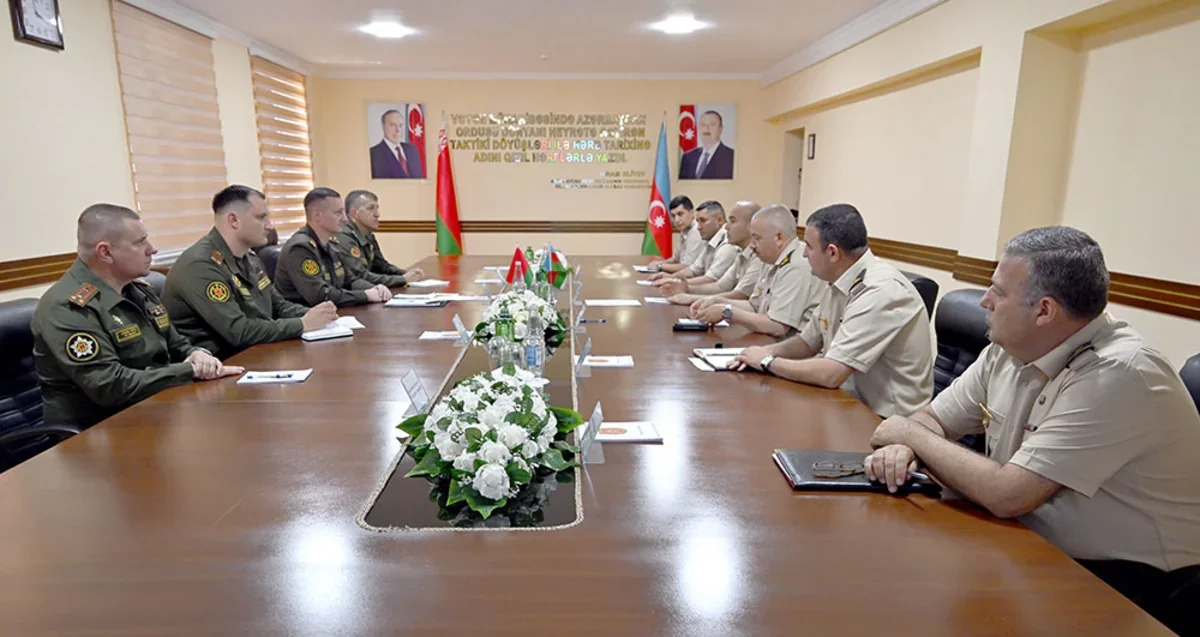
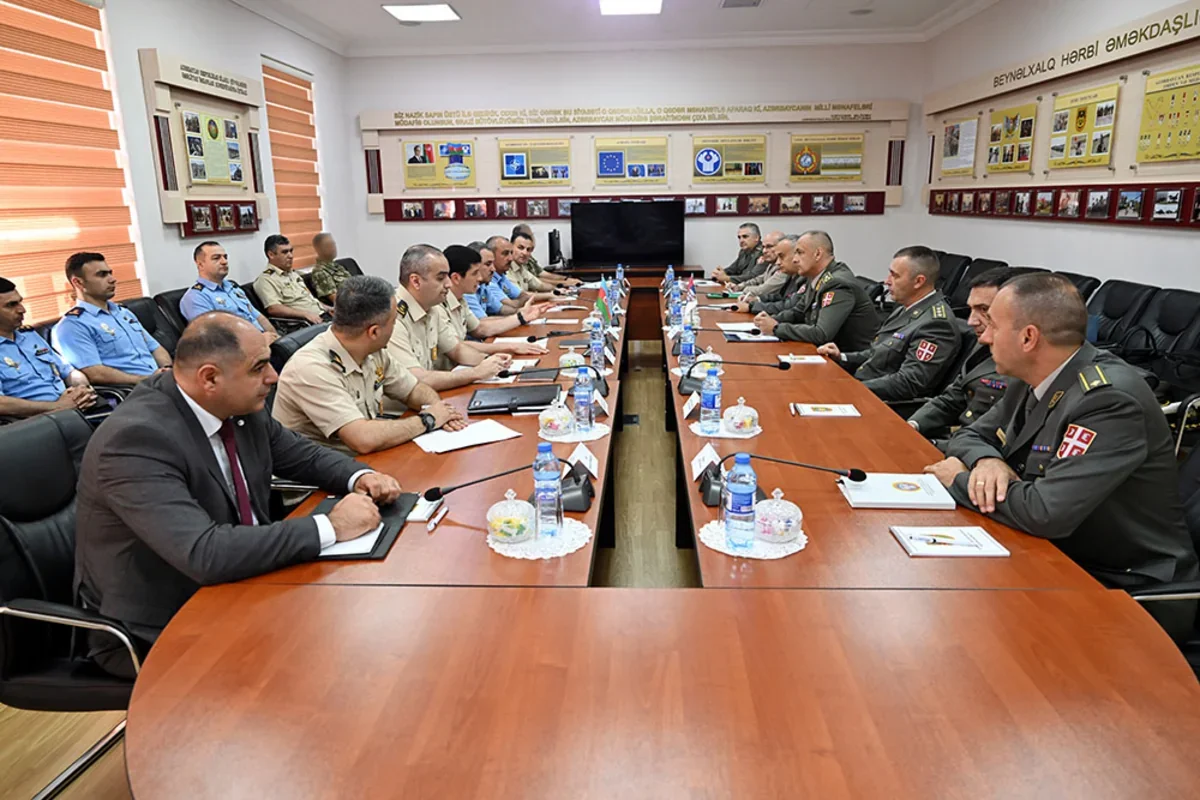
According to the Operative Information Center-OMM, the document was finalized during an official visit to Azerbaijan by a Mongolian delegation led by Prosecutor General Jargalsaikhan Banzrag, following an invitation from Azerbaijan's Prosecutor General Kamran Aliyev.
During the meeting, Kamran Aliyev and his Mongolian counterpart emphasized that relations between the two states are developing dynamically due to the visionary political views and sincere relations of the countries' leaderships. The parties highlighted the effectiveness of existing cooperation between law enforcement agencies in both nations. Kamran Aliyev provided detailed information on the digitalization of Azerbaijan's prosecution authorities and the implementation of new legal institutions within the country.
Expressing gratitude for the warm reception, Jargalsaikhan Banzrag noted that his office attaches special importance to developing ties with Azerbaijan and expressed confidence that inter-agency cooperation will continue to expand. The discussions included a productive exchange of views on combating crime, with agreements reached on extradition, mutual legal assistance, and the professional training of prosecutors.
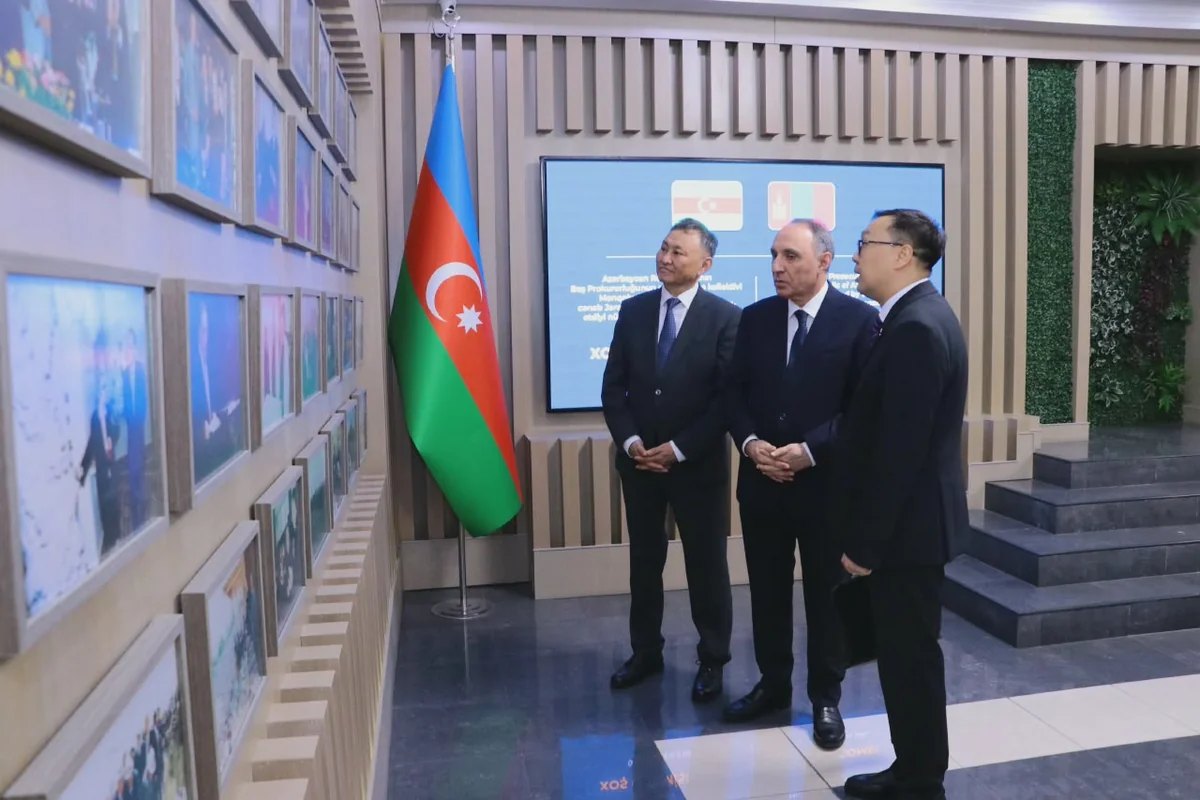
As part of the visit, Jargalsaikhan Banzrag was presented with the jubilee medal "100th Anniversary of the Azerbaijan Prosecutor's Office" for his contributions to developing cooperation between the two services. Following the official meeting, the Mongolian delegation visited the History Museum of the Prosecutor's Office of the Republic of Azerbaijan.
Diplomatic relations between Azerbaijan and Mongolia have seen steady growth in recent years, characterized by mutual respect for sovereignty and territorial integrity. This latest legal agreement follows a broader trend of Azerbaijan expanding its international judicial partnerships to address transnational crime and modernize legal frameworks in line with global standards.