 Afət Ziyadqızı

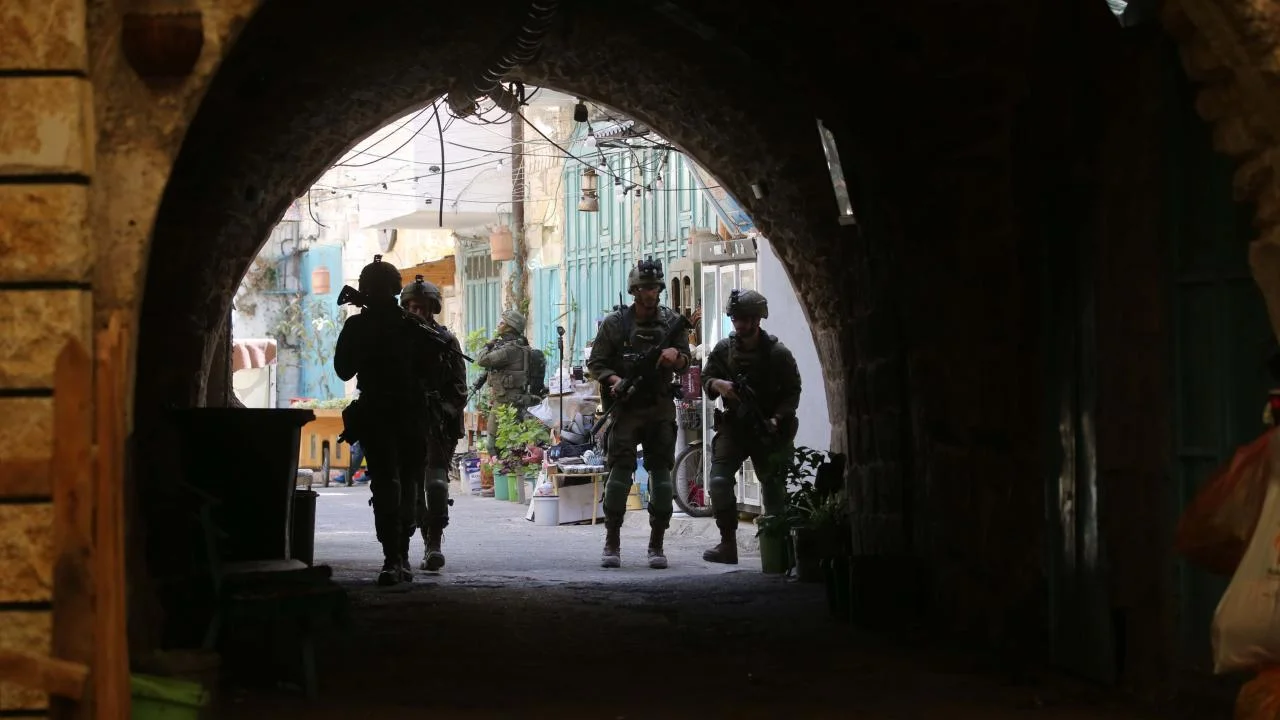
Palestinian officials have alleged that Israel is formulating new plans concerning the historic Ibrahimi Mosque, located in the occupied city of Hebron. According to the Operative Information Center-OMM, the Palestinian Ministry of Endowments and Religious Affairs has expressed deep concern over recent actions by Israeli authorities, including the demolition of a canopy structure in the mosque's courtyard and other measures aimed at altering the site's architectural and religious identity.
The ministry has characterized these actions as an infringement upon the mosque's significance to the Islamic world and a violation of the ministry's jurisdiction. It is noted that any modifications to this historic site, which is included on the UNESCO World Heritage List, are contentious under international regulations.
Mutaz Abu Suneyneh, director of the Ibrahimi Mosque Endowment, stated that the Israeli side is attempting to create new facts on the ground by exploiting the tense situation in the region. Reports indicate that various restrictions remain in place, including occasional interference by the Israeli military with the call to prayer and limitations on the Hebron municipality's control over water, electricity, and other utility services.
The Ibrahimi Mosque, also known as the Cave of the Patriarchs, holds profound religious significance for both Muslims and Jews. Following the 1994 massacre, the site was divided, with approximately 63% allocated for Jewish use and 37% for Muslim use. However, tensions have escalated significantly in recent years. Reports indicate that in January 2026, Israel's Civil Administration Higher Planning Council reportedly revoked the Hebron Municipality's planning authority over the site. Furthermore, in June 2026, Israeli Finance Minister Bezalel Smotrich announced the cancellation of the "Hebron Agreement," a move that has fundamentally altered the city's administrative and security governance.