The Milli Majlis (National Assembly) has officially adopted a significant decision in its final reading regarding teachers working in children's music, art, and drawing schools. Under the new regulations, the activities of educators in these institutions will no longer be evaluated through the outdated attestation system, but will instead be assessed based on modern certification rules.
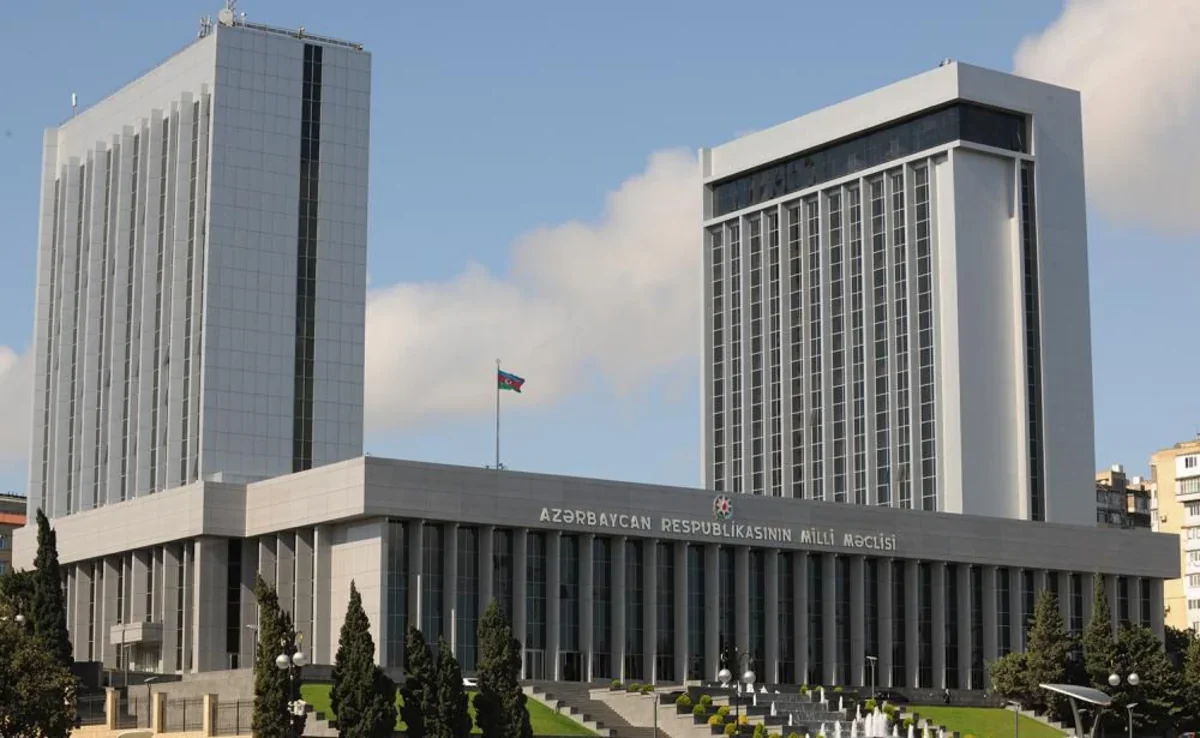
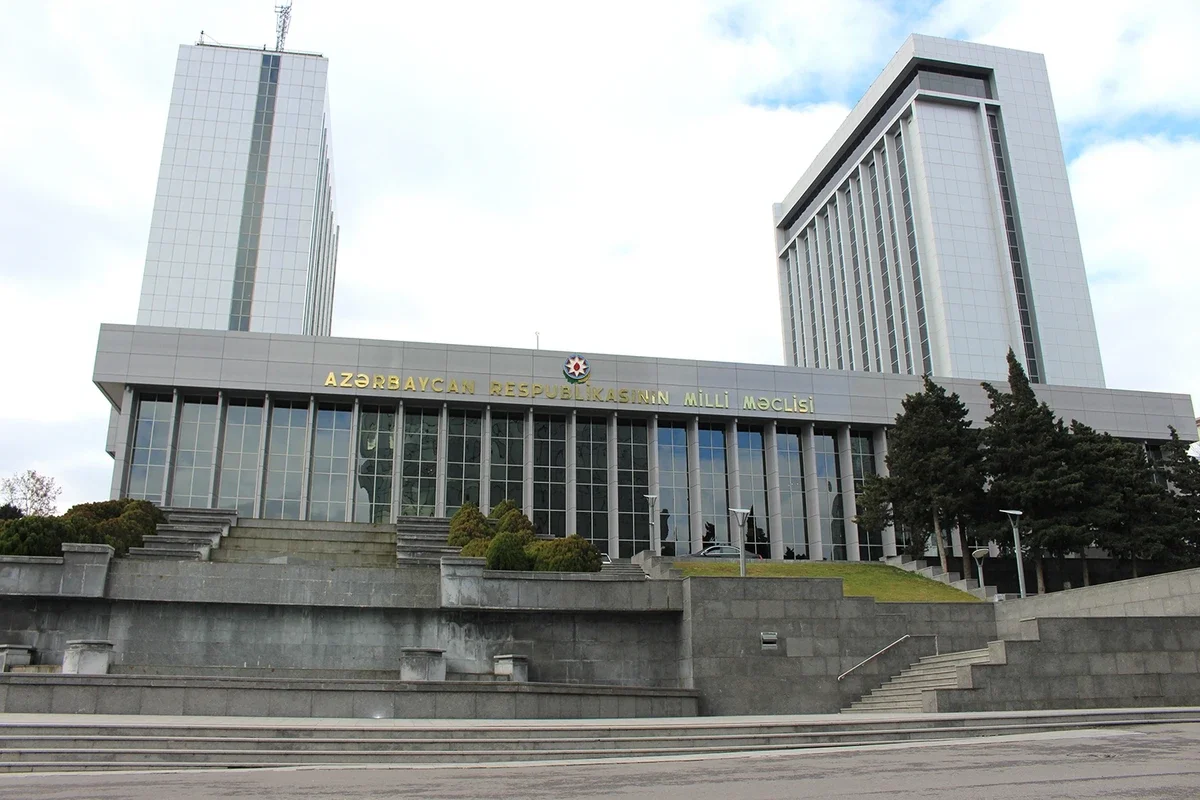
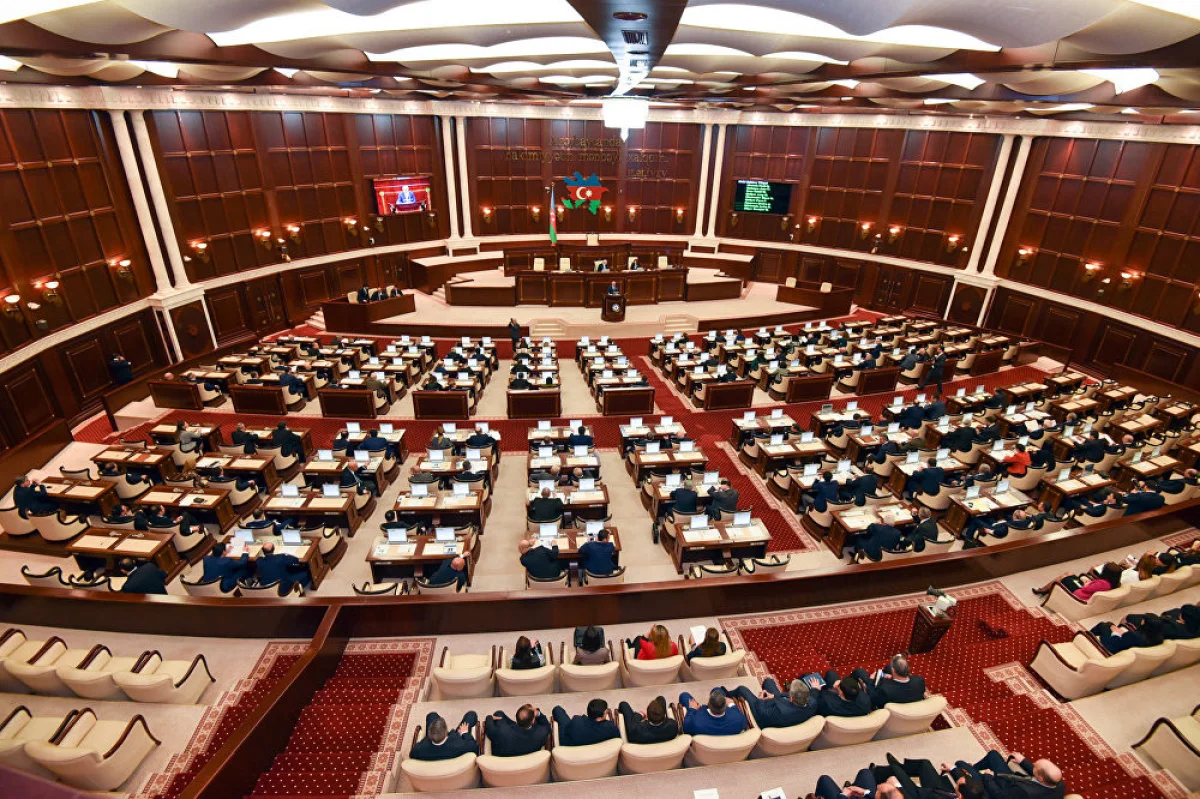
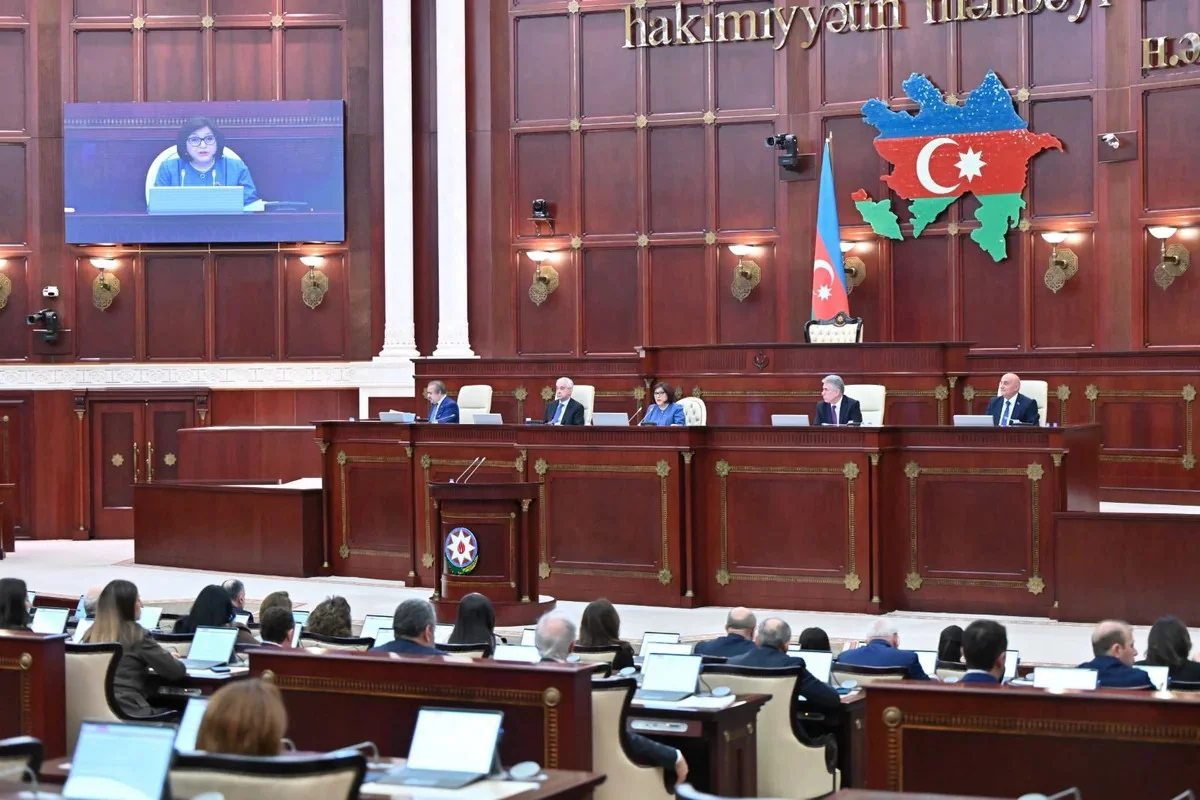
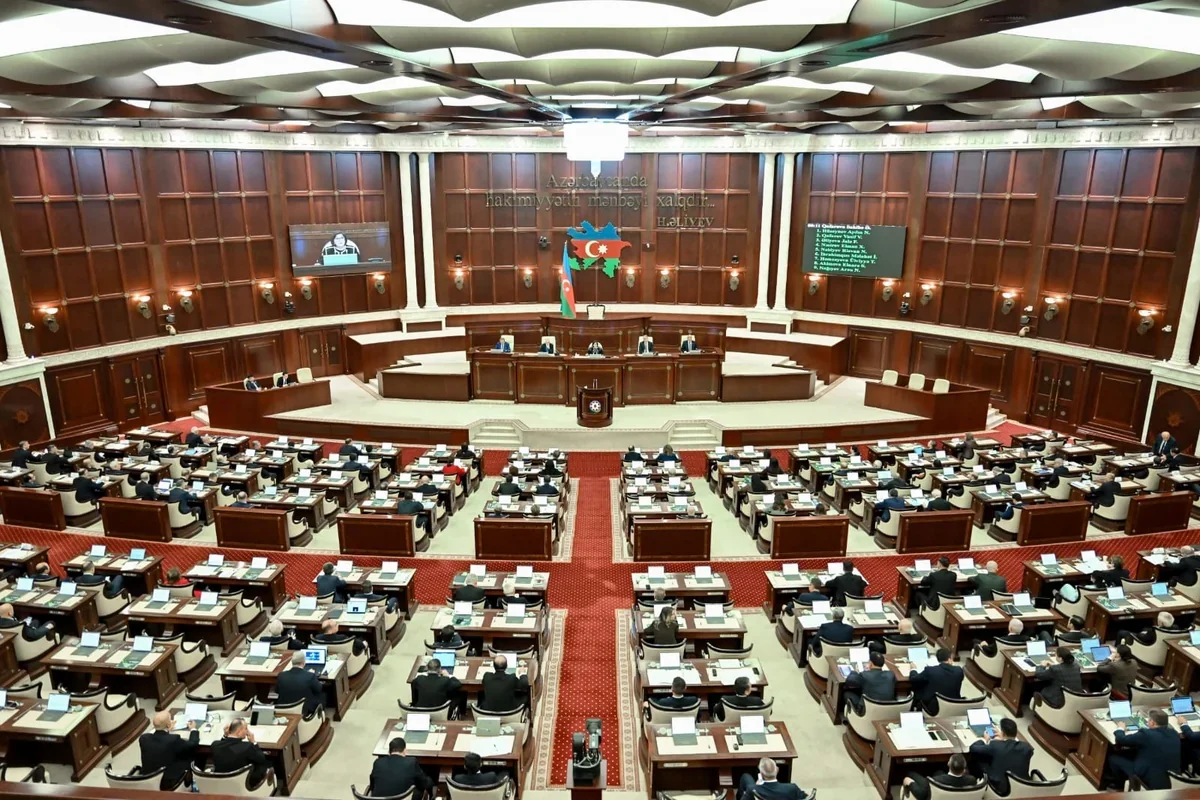
Operative Information Center-OMM reports that the proposed amendments to the Labor Code and the Law on Education were discussed and approved during today's plenary session of the parliament in Baku.
What changes in music and art schools?
According to the document, the knowledge and professional competence of educators working in children's music, art, and drawing schools, as well as other similar state educational institutions under the Ministry of Culture system, will be verified through a new methodology. Their theoretical and practical knowledge will be evaluated through certification according to special rules rather than the traditional attestation process.
The shift aims to eliminate the limitations of the previous system, where attestation results were largely restricted to documented protocols and lacked objective tools such as written tests to measure professional suitability and skills. Furthermore, the old system did not incorporate digital assessment tools or performance evaluation systems, which reduced overall objectivity and failed to align with modern international practices. The lack of clear legal mechanisms for attestation results also frequently led to labor disputes and legal challenges.
Addressing the flaws of oral examinations
The transition also addresses issues related to oral examinations, which often relied on subjective criteria and lacked measurable standards. Organizing oral attestations also created an additional financial and administrative burden on the state budget due to the long-term formation of commissions and inefficient use of resources.
The implementation of the certification process in Azerbaijan is expected to ensure transparency, comparability of results, and high reliability. This change will facilitate the development of the educational network and contribute to increasing the quality of education in the arts sector. Additionally, the certification process mandates regular updates of specialized knowledge, encouraging continuous professional development among educators. Following extensive discussions, the bill was put to a vote and passed in the third reading.
Context of educational reforms in Azerbaijan
This move is part of a broader strategy by the government of Azerbaijan to modernize the national education system and align it with global standards. Over the past few years, the Ministry of Education and the Ministry of Culture have been working to implement merit-based evaluation systems across various sectors to ensure that public services, including specialized arts education, are delivered by highly qualified professionals. These reforms are seen as essential for preserving the country's rich cultural heritage while fostering a new generation of competitive talent in the creative industries.