 OMM Redaksiyası

Azerbaijan’s education system has recorded one of its most notable improvements in recent years. According to the latest results of the Programme for International Student Assessment (PISA), which evaluates the skills of 15-year-old students, performance improved in mathematics, science and reading.
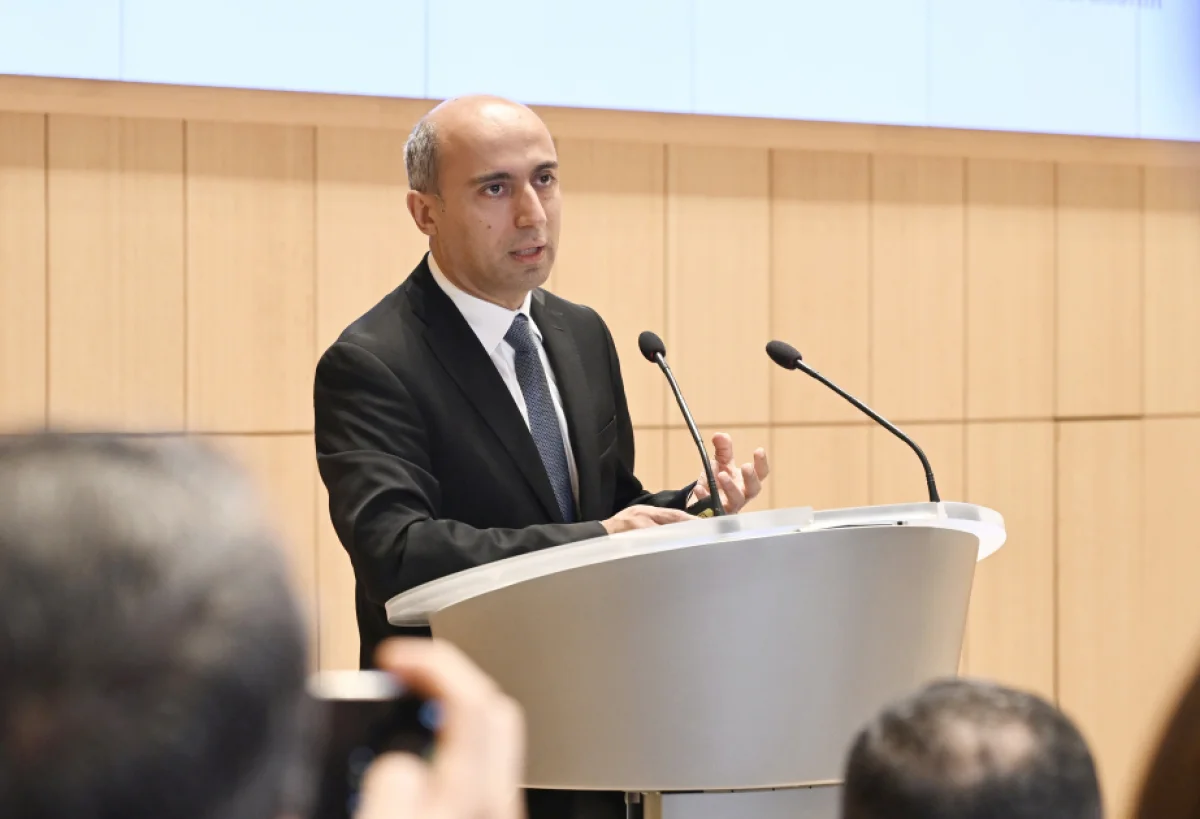
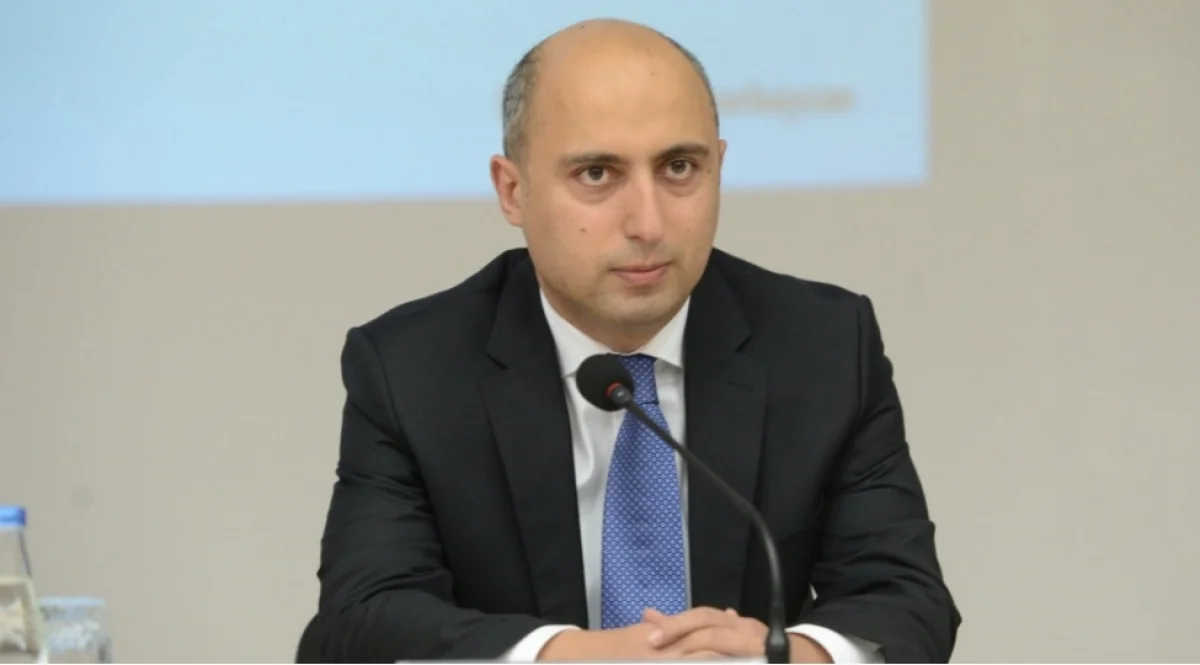
Minister of Science and Education Emin Amrullayev told AnewZ in an exclusive interview that the results reflect the impact of reforms implemented over the past decade. He said PISA is not a tool for competition among countries, but a research instrument that helps measure the development of education systems.
The minister noted that PISA results provide the government, schools and researchers with valuable information about the impact of factors such as teaching methods, teacher quality, the family environment and parental involvement in education on student achievement.
The largest improvement was recorded in Baku. The capital has participated in PISA since 2018, and its mathematics score increased by 63 points compared with the previous assessment cycle. Emin Amrullayev described this increase as equivalent to approximately three additional years of schooling.
The result placed Baku among the world’s top 30 systems in mathematics. Azerbaijan ranked among the top 50 overall.
Amrullayev said the main factors behind the progress included teacher recruitment, certification and salary increases, curriculum renewal, and changes to the assessment system. Aligning national examinations with international competency-based assessment models has focused on developing students’ problem-solving and analytical thinking skills rather than memorization.
The minister also said that increased state funding for education had played an important role. According to PISA data, approximately 8.1 percent of students in Baku and nearly 5 percent nationwide performed at the highest levels in mathematics.
However, challenges remain in reading and science. According to Amrullayev, mathematics results have reached a “good” level, while performance in reading and science remains at a “satisfactory” stage. He stressed the importance of increasing attention to reading skills in particular.
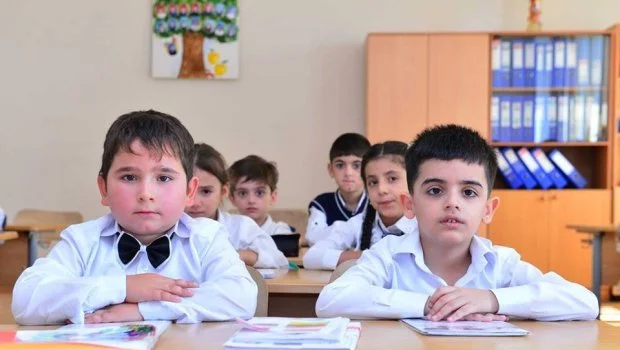
The PISA results also showed a significant gap between urban and rural schools. A difference of more than 100 points was recorded between students in large cities and those studying in small settlements and villages.
The minister said the gap was largely linked to the school environment. He noted that family income has a greater impact on student achievement in many Organisation for Economic Co-operation and Development (OECD) countries than in Azerbaijan. Small rural schools also face difficulties attracting highly qualified teachers.
Measures planned to address the issue include optimizing the school network, merging very small schools and improving access to quality education. Experienced teachers are also expected to provide remote support to students in rural areas through digital technologies.
Emin Amrullayev described parental involvement in education as another important factor. He said that parents’ weekly conversations with their children about their lessons have a positive impact on student performance.
The next PISA assessment cycle will take place in 2029. The minister said the focus at that stage would shift from measuring progress in Baku to assessing results across all regions of Azerbaijan. Priorities include reducing regional disparities, strengthening reading skills, improving teacher quality and school leadership, and developing digitalization and assessment systems.