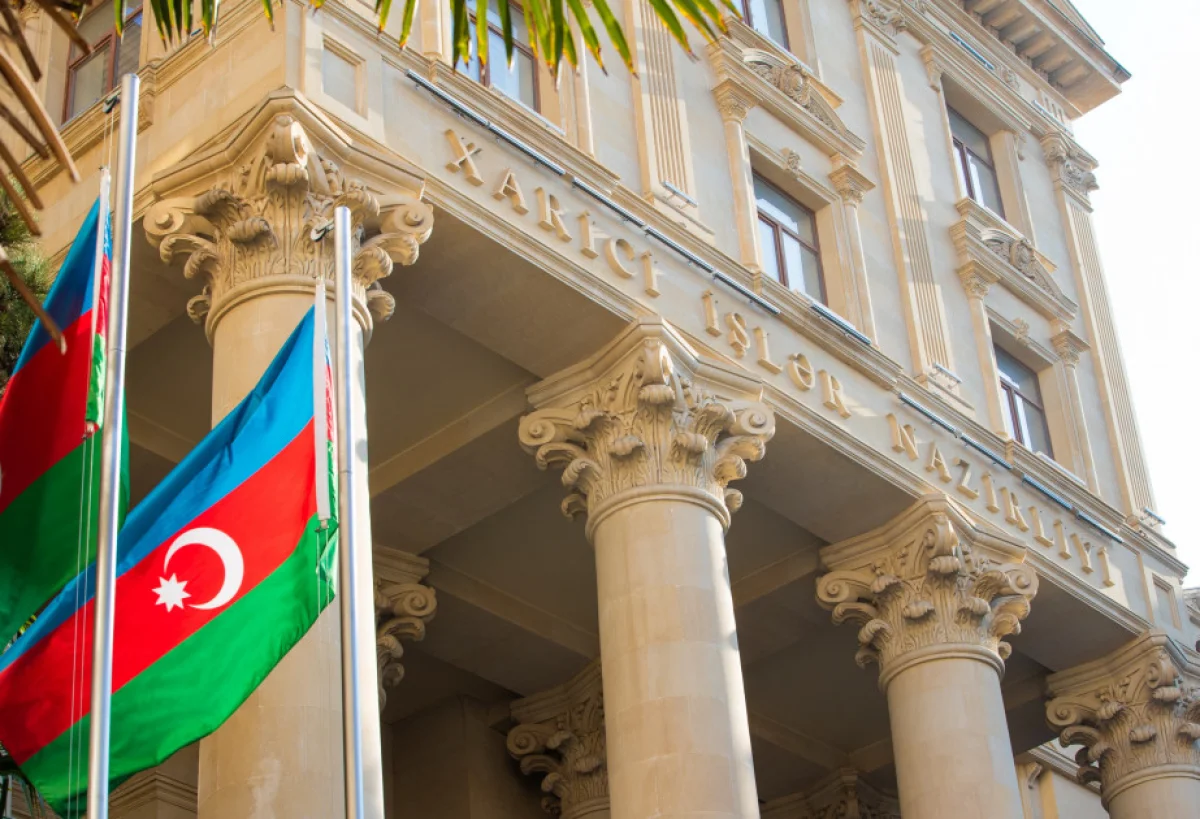
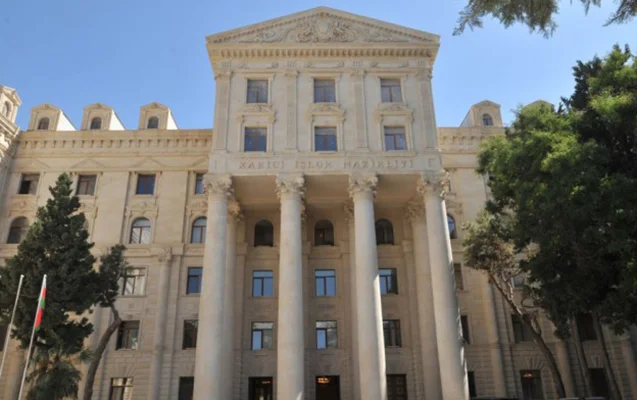
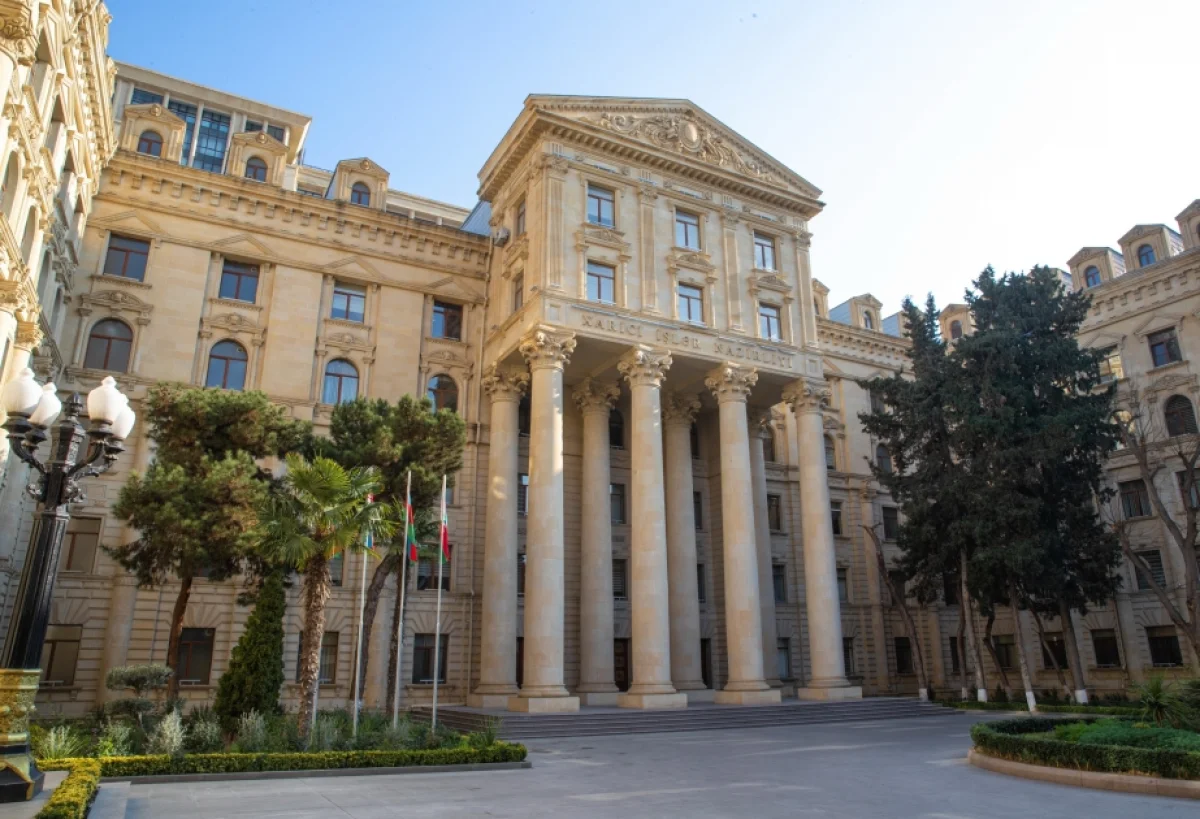
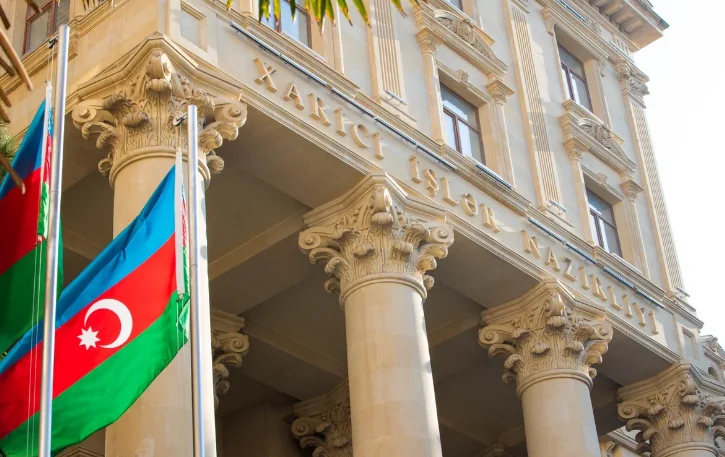
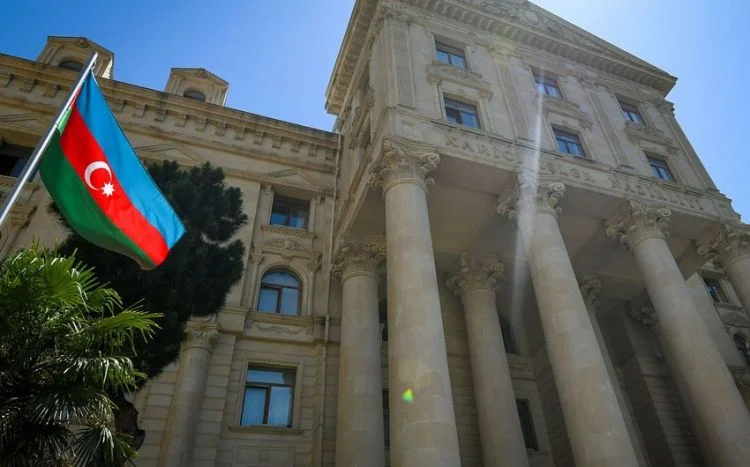
The Ministry of Foreign Affairs (MFA) of the Republic of Azerbaijan has issued a statement regarding March 31 – the Day of Genocide of Azerbaijanis, honoring the victims of the massacres committed 108 years ago.
Operative Information Center-OMM reports that the statement highlights the atrocities committed by radical Armenian groups against the Azerbaijani people in 1918. According to the MFA, the genocide carried out in March 1918 by 6,000 armed members of the Baku Soviet and 4,000 members of the "Dashnaksutyun" party remains one of the most brutal examples of ethnic cleansing in history. The ministry noted that admissions by Stepan Shaumyan, the Extraordinary Commissioner of the Caucasus at the time, prove these massacres were perpetrated on the grounds of national hatred under the guise of "combating counter-revolution."
The statement details that tens of thousands of Azerbaijanis were systematically murdered in regions including Baku, Shamakhi, Guba, Garabagh, Zangazur, Nakhchivan, Shirvan, and Iravan. In Guba alone, more than 16,000 people were killed and 167 villages were completely destroyed. Beyond the civilian population, Azerbaijan's religious and cultural heritage was targeted, with mosques and historical monuments demolished. While the Azerbaijan Democratic Republic initially sought to investigate these events and established March 31 as a national day of mourning, the fall of the Republic prevented a full political-legal assessment at the time. This was eventually rectified following the restoration of independence, when National Leader Heydar Aliyev signed the decree "On the Genocide of Azerbaijanis" on March 26, 1998.
The Day of Genocide of Azerbaijanis serves as a solemn reminder of the tragic events of 1918, which Azerbaijan maintains were part of a long-term policy of ethnic displacement. This historical context is central to the nation's collective memory, particularly regarding the events in the early 20th century and the subsequent conflicts in the region. By commemorating this day, Azerbaijan seeks to draw international attention to the importance of historical justice and the prevention of ethnic-based violence in the South Caucasus.