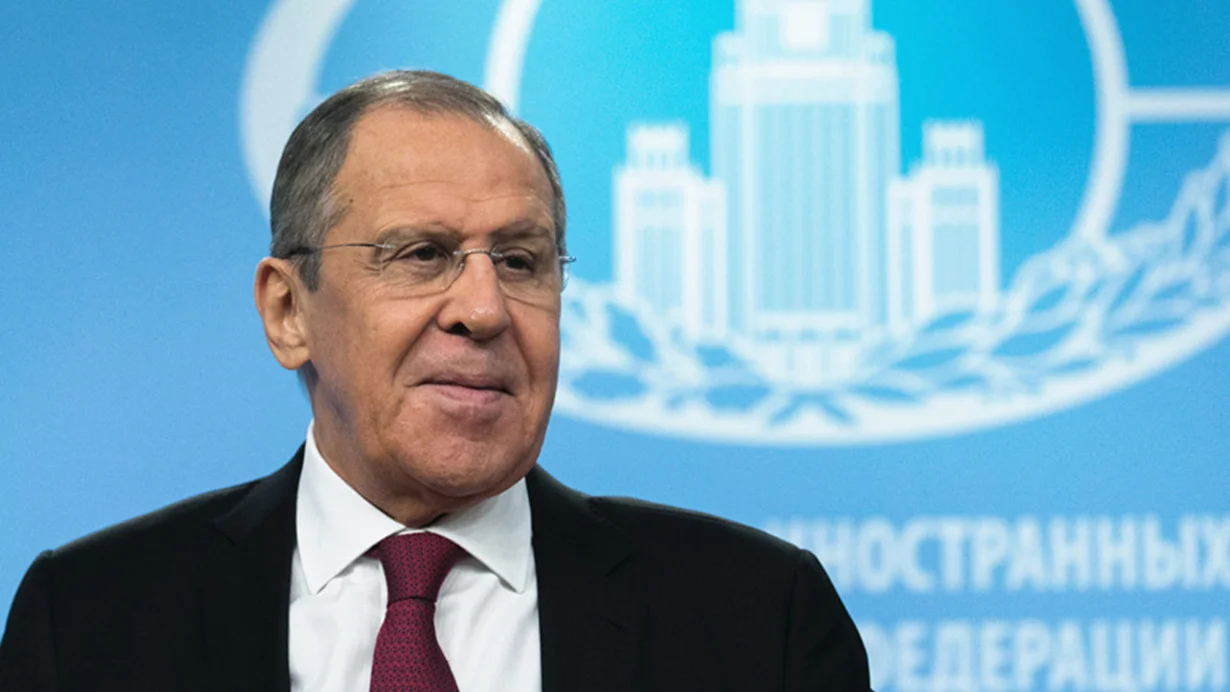
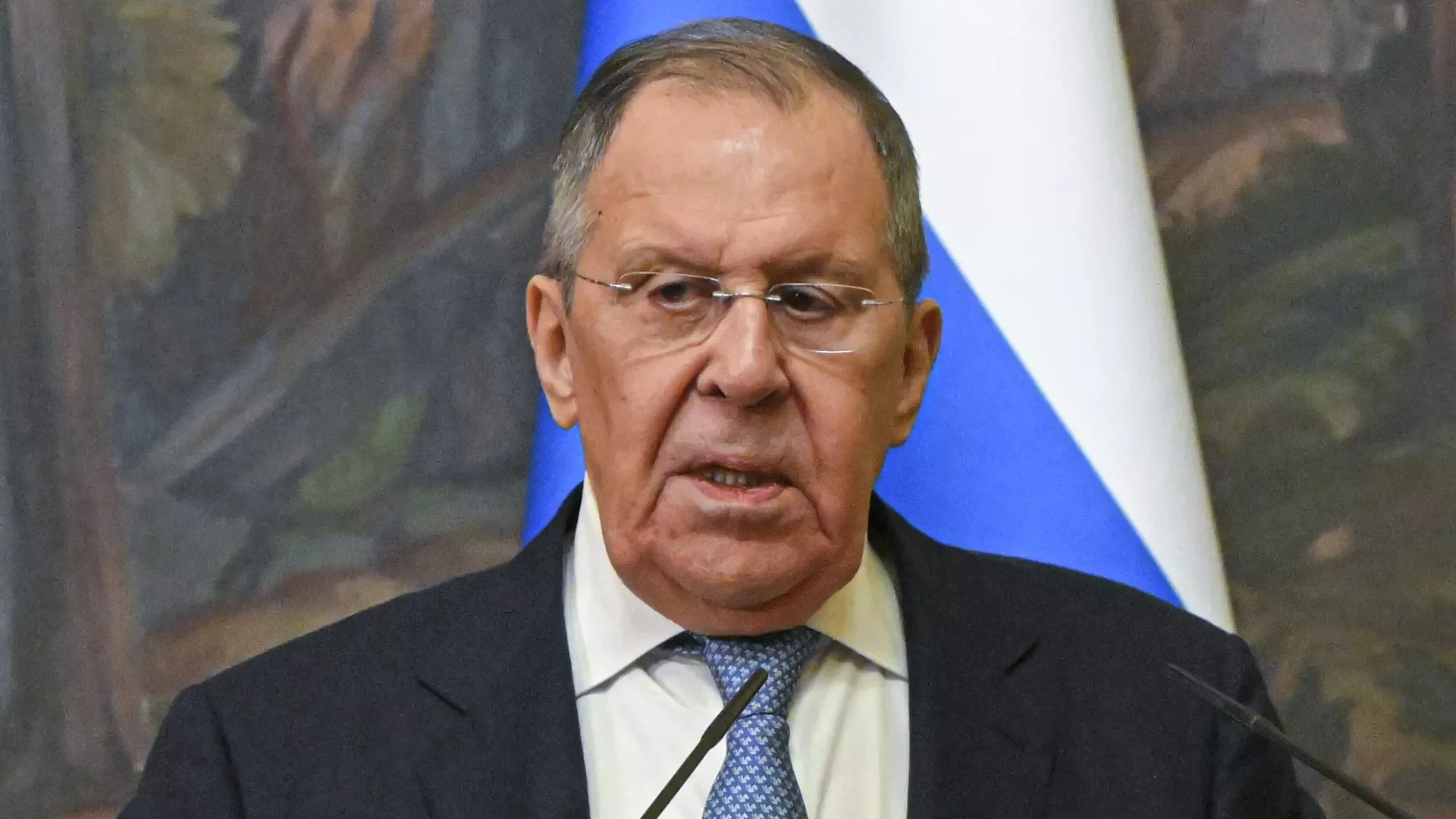
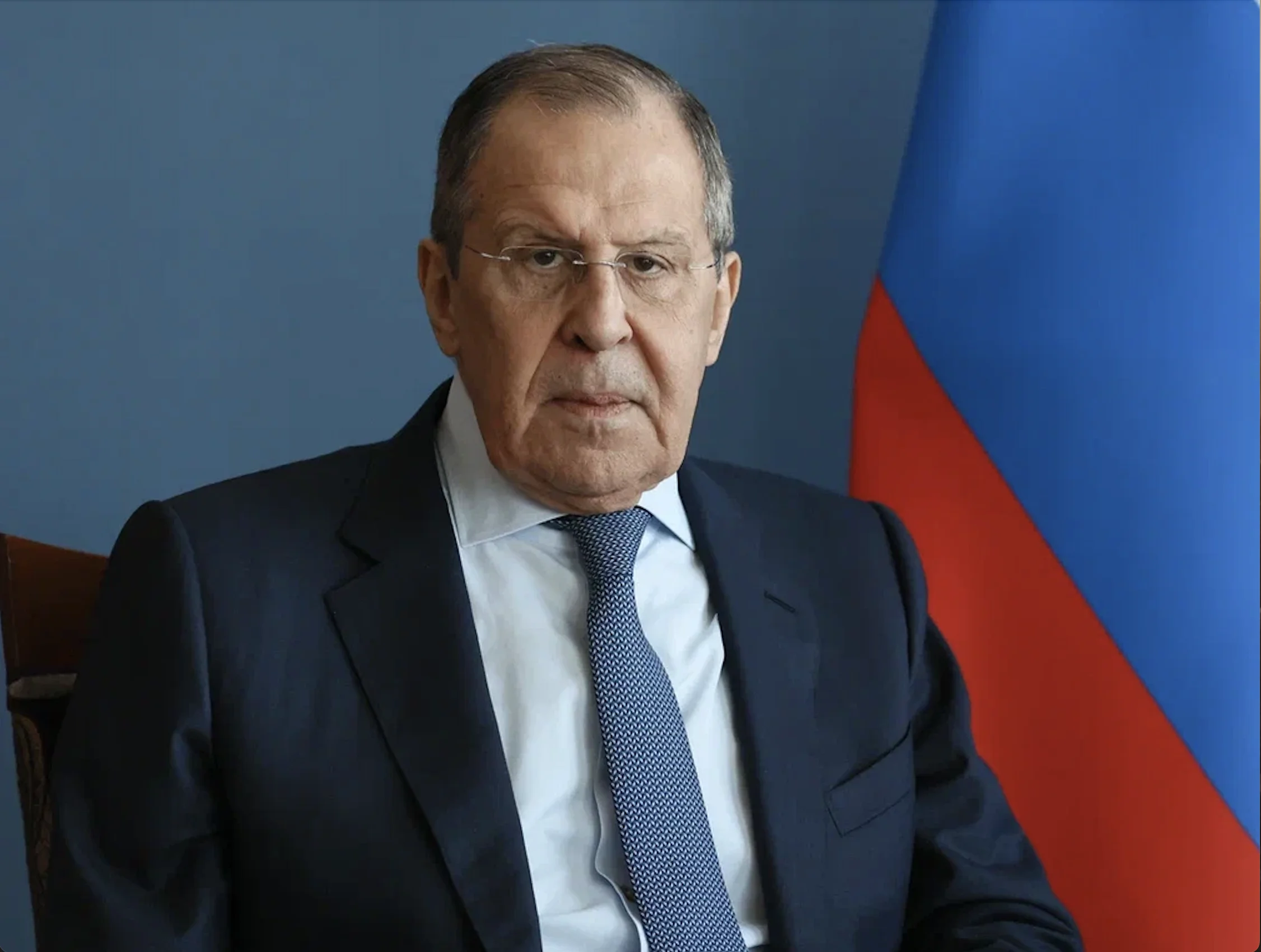
Moscow considers the post-Soviet space as one of the primary priorities of its foreign policy.
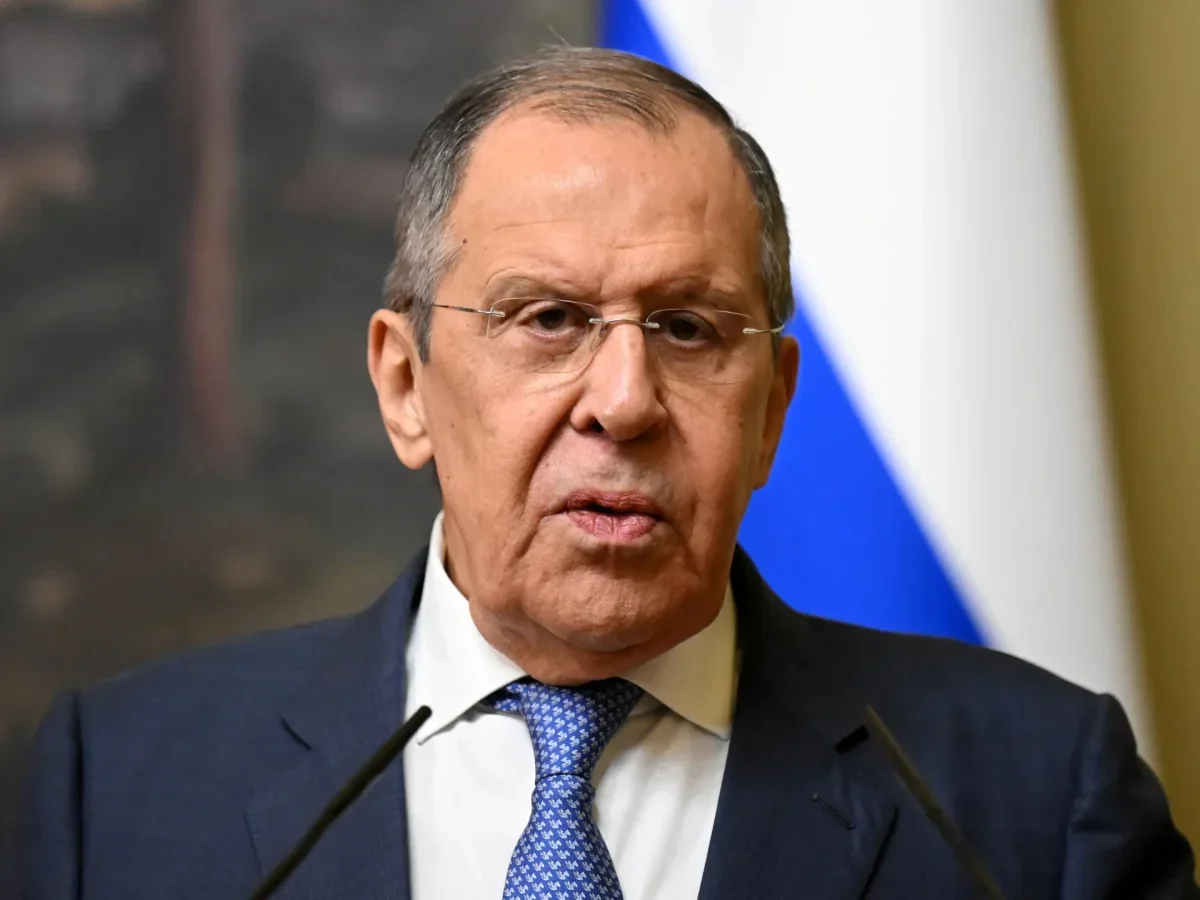
The Operative Information Center-OMM reports that Russian Foreign Minister Sergey Lavrov made these remarks during an interview with the TV BRICS international television network.
According to the minister, the Commonwealth of Independent States (CIS), the Eurasian Economic Union (EAEU), and the Collective Security Treaty Organization (CSTO) hold special significance for Russia. Lavrov stated that activities in this direction are based on the Foreign Policy Concept approved by the President of the Russian Federation.
The minister noted that concrete plans for cooperation in trade, economic, investment, and scientific fields are being developed with partner countries. He emphasized that this process is built on the principles of long-term, mutual benefit. Lavrov further highlighted that Russia aims to strengthen its integration processes within these regional blocs to ensure economic stability and collective security.
The post-Soviet space, often referred to as the "near abroad" in Russian diplomatic doctrine, remains a focal point of Moscow's geopolitical strategy. This region includes various independent states in Eastern Europe, the Caucasus, and Central Asia that emerged following the dissolution of the Soviet Union in 1991. Azerbaijan, while maintaining a balanced foreign policy and strategic independence, continues to engage in bilateral and multilateral cooperation within the CIS framework, focusing on regional stability and economic connectivity.