Azerbaijan is commemorating the 36th anniversary of the Bloody January tragedy, a pivotal and somber moment in the nation's struggle for independence.
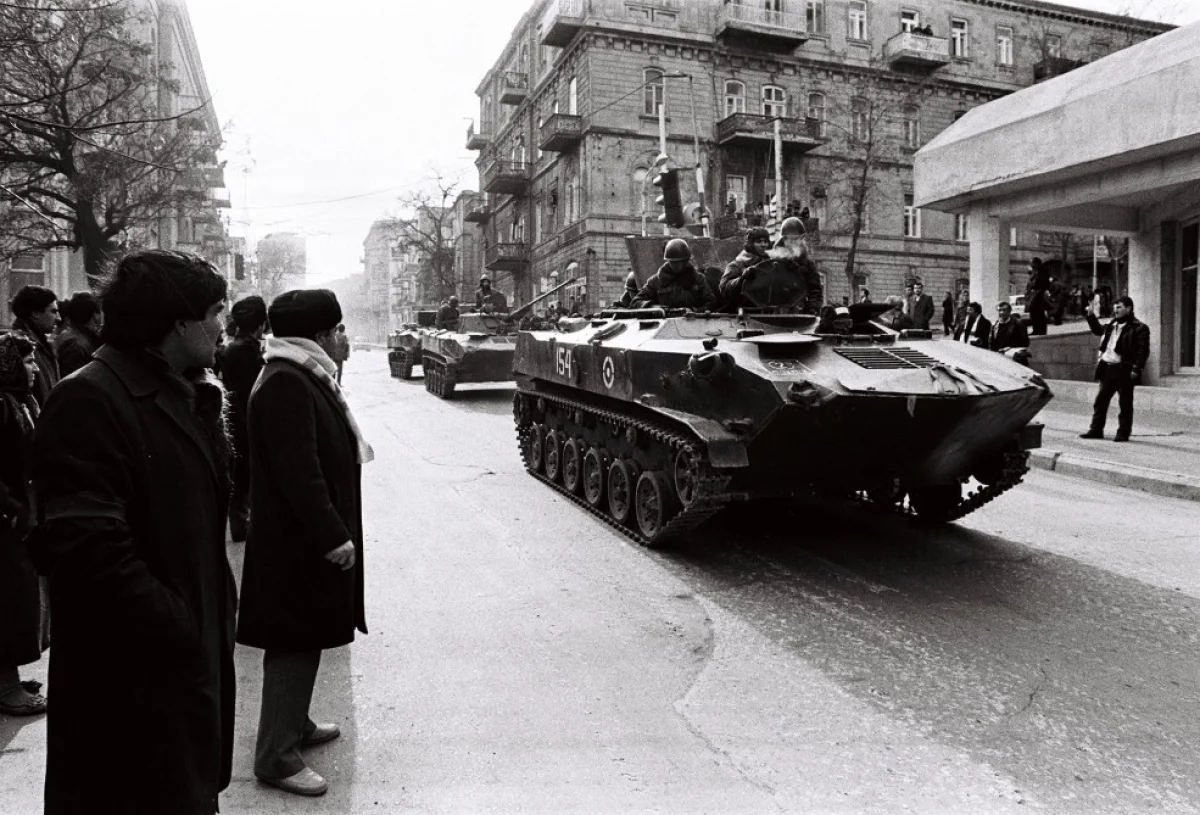
According to the Operative Information Center-OMM, on the night of January 19-20, 1990, Soviet army units—including troops from the Ministry of Defense, the State Security Committee, and the Ministry of Internal Affairs—were deployed into Baku and several regions of the republic. The operation was carried out under the direct orders of Mikhail Gorbachev, then General Secretary of the Central Committee of the Communist Party of the Soviet Union. Heavy military equipment and various weapons were used against the peaceful population, resulting in mass killings and unprecedented violence.
The deployment of special forces and internal troops was marked by extreme cruelty. Before the official declaration of a state of emergency, 82 people were killed and 20 were mortally wounded. Following the implementation of the state of emergency, an additional 21 people were killed in Baku. Furthermore, in the cities of Neftchala and Lankaran, where no state of emergency had been declared, eight more people lost their lives on January 25–26. In total, 131 people were killed and 744 were injured in Baku and surrounding areas. The victims included women, children, the elderly, as well as emergency medical personnel and police officers.
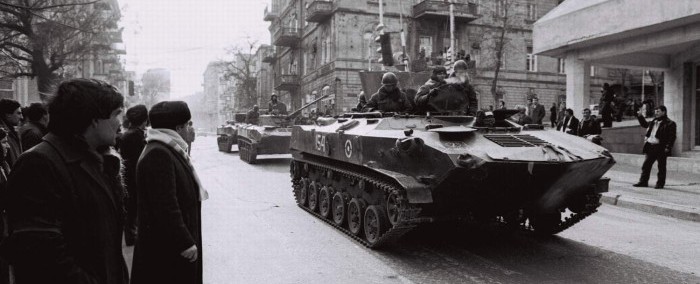
The events were also accompanied by mass illegal arrests. During the operations, 841 people were detained in Baku and other regions, 112 of whom were sent to prisons located in various cities across the USSR. Additionally, 200 houses and 80 vehicles, including ambulances, were fired upon, causing significant material damage through fires and destruction. Those who lost their lives in January 1990 are honored as "January 20 Martyrs," with a total of 150 individuals recognized as martyrs in the history of Azerbaijan.
On January 21, 1990—just one day after the tragedy—National Leader Heydar Aliyev visited the permanent representation of Azerbaijan in Moscow. He expressed his sharp protest against the bloody operation conducted by the USSR leadership and demonstrated his solidarity with the Azerbaijani people. It was not until March 29, 1994, at the initiative of Heydar Aliyev, that the Milli Majlis (National Assembly) provided the first political and legal assessment of the January 20 tragedy. Since then, January 20 has been observed in Azerbaijan as the National Day of Mourning.

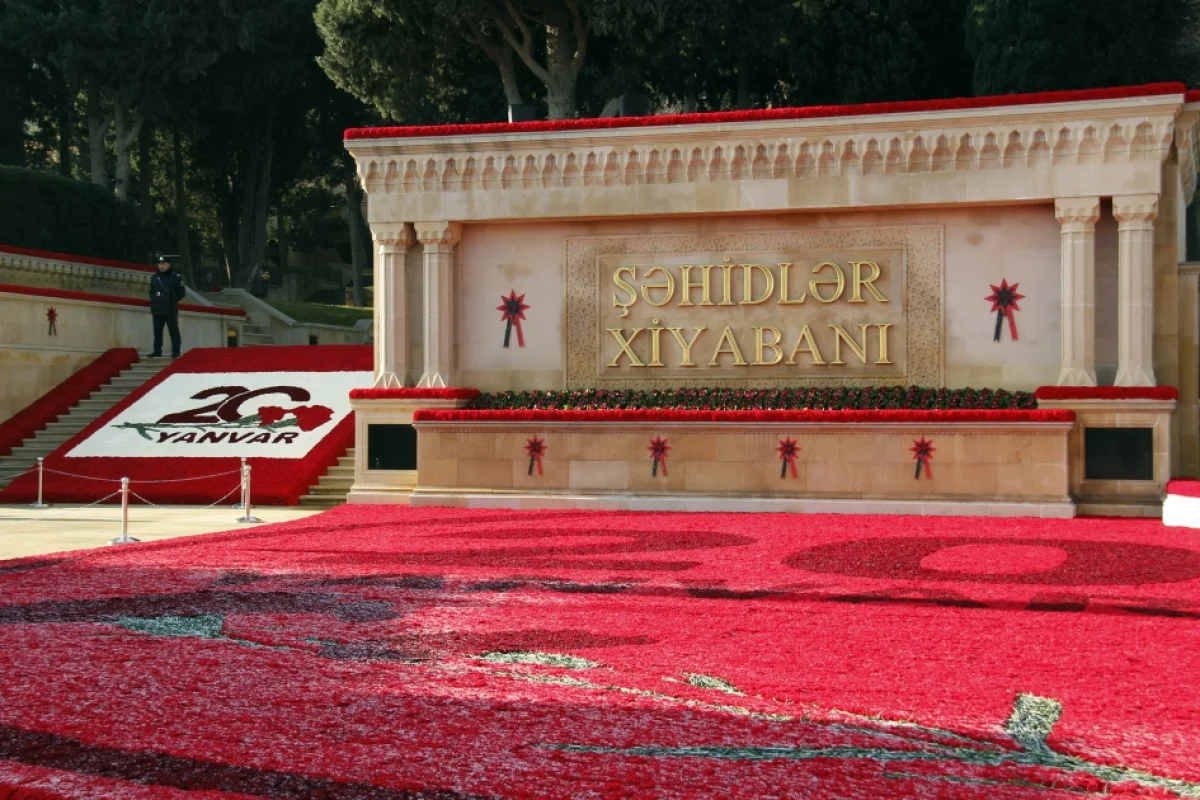
The Black January events are regarded not only as a period of national mourning but also as a symbol of the unbreakable will and heroism of the Azerbaijani people in their quest for sovereignty. Despite the state of emergency, approximately 2 million people participated in the mourning procession and burial ceremony at the Alley of Martyrs in Baku on January 22, 1990. This collective defiance accelerated the collapse of Soviet rule in the region and paved the way for the restoration of Azerbaijan's independence in 1991.
Today, at 12:00 local time, a minute of silence will be observed across Azerbaijan to honor the memory of the martyrs. Traffic will come to a standstill as vehicles sound their horns, and national flags will be lowered to half-mast. Commemorative events are also being held by the diplomatic missions of the Republic of Azerbaijan in various foreign countries to inform the international community about the significance of Bloody January.