Iran has signed a secret arms agreement worth 500 million euros with Russia to rebuild its air defense network, which sustained significant damage during military confrontations with Israel last year.
The Operative Information Center-OMM, citing the Financial Times, reports that under the agreement signed in Moscow, Russia will supply Tehran with 500 "Verba" launchers and 2,500 "9M336" missiles over a three-year period.
According to reports, Iran made the official request for these systems in July 2025, immediately after the country's defense systems were disabled by Israeli airstrikes. The contract was finalized between Russia's state arms export agency, Rosoboronexport, and the Iranian Ministry of Defense. Ruhullah Katebi, who acted as the primary mediator in the negotiations, has previously been sanctioned by the United States for his role in military sales.
The details of the contract include the following:
- The price of each "9M336" missile is 170,000 euros;
- The price of each launcher is 40,000 euros;
- 500 "Mowgli-2" night vision devices.
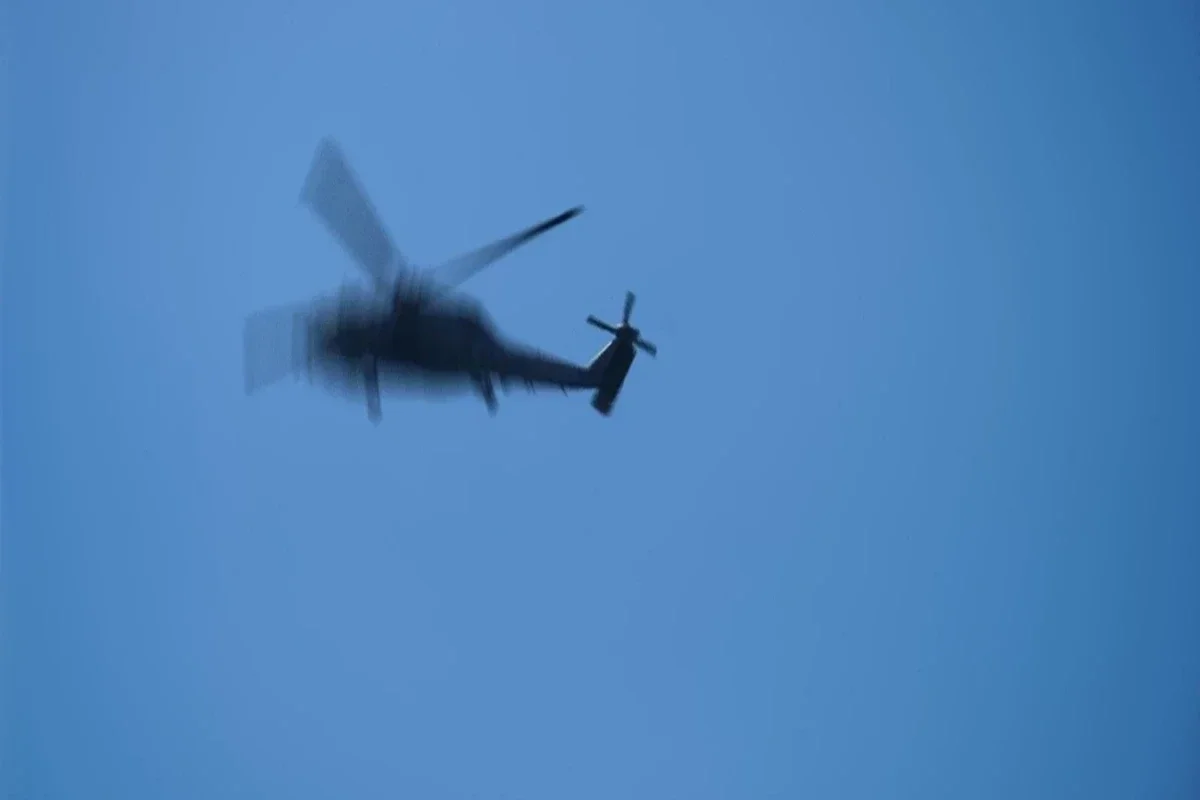
While the bulk of the deliveries is scheduled to take place between 2027 and 2029, it is reported that some military cargo has already reached Iran. In January, at least six "Mi-28" attack helicopters were reportedly sent from Russia to Iran.
The Verba systems are considered among Russia's most modern man-portable air-defense systems (MANPADS). These systems are capable of targeting low-flying aircraft, drones, and cruise missiles. Experts believe that while these weapons may not fundamentally alter Iran's overall military power, they could significantly complicate helicopter and drone operations by the US and its allies in the region.
The deepening military cooperation between Moscow and Tehran comes amid shifting geopolitical dynamics. Over the past two years, Iran has provided Russia with drones and missiles for the war in Ukraine. Analysts view this new arms deal as an attempt by Tehran to strengthen its strategic defense line and as a clear indicator of a deepening military alliance with Russia, despite ongoing Western sanctions. This development follows the inauguration of US President Donald Trump in January 2025, whose administration continues to monitor the evolving security landscape in the Middle East and the growing defense ties between the two nations.