 Afət Ziyadqızı

The internet monitoring organization NetBlocks has reported that large-scale digital disruptions in Iran have reached a critical milestone, surpassing 1,944 hours of restricted access.
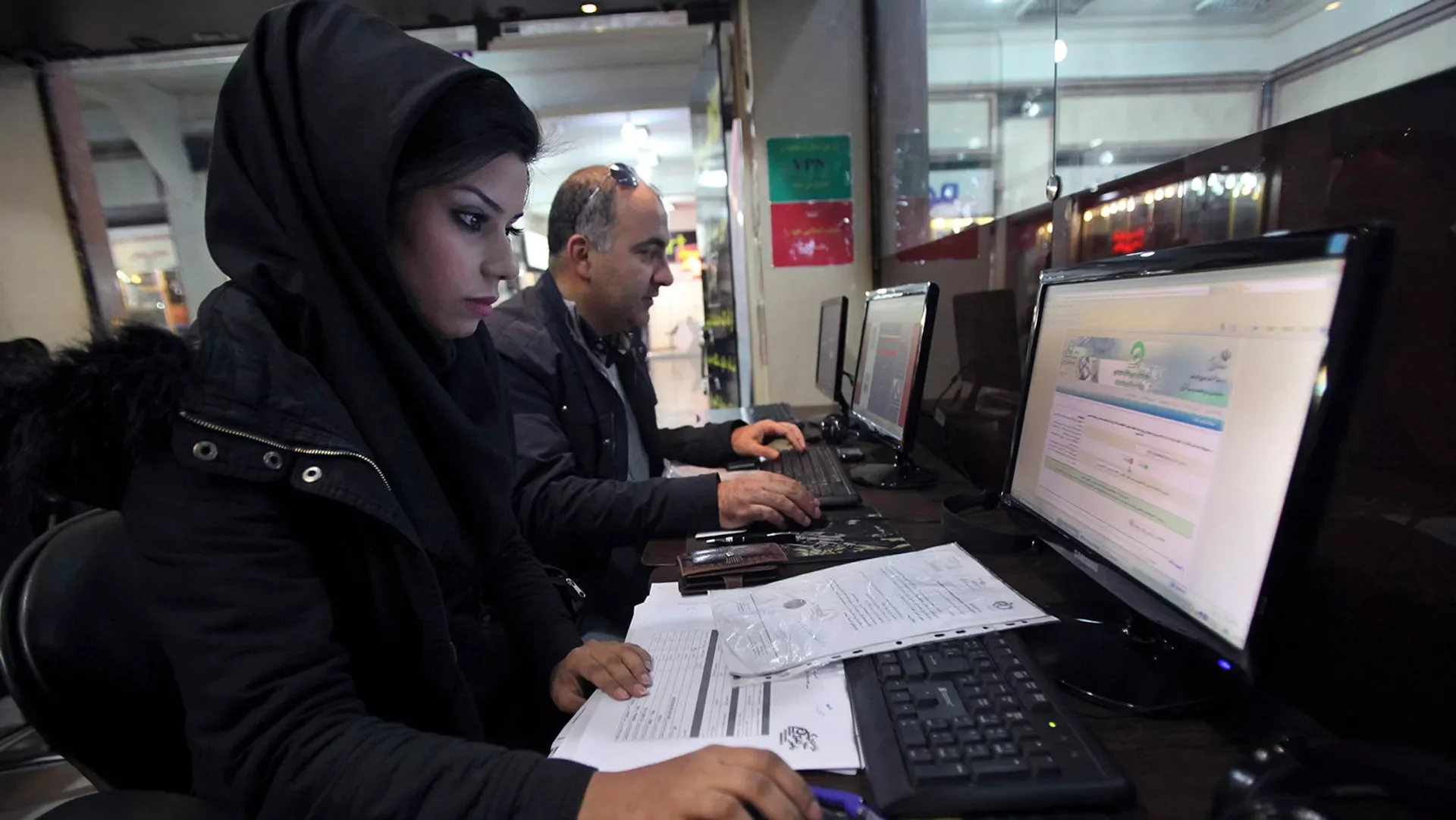
Operative Information Center-OMM reports that according to the organization's data, the internet restrictions in the country have now entered their 82nd day. Iran remains largely disconnected from the global network, a situation that has evolved into a protracted crisis with profound implications for the nation's social and economic life.
In a formal statement, NetBlocks highlighted the severity of the blackout, noting that "in an era where even a few minutes of interruption can turn into a crisis, Iran continues to break records, destroy livelihoods, and violate human rights." The organization’s assessment further indicates that the persistent nature of these outages is intensifying international concerns regarding the suppression of communication freedoms and the restricted exchange of information.
Internet shutdowns are frequently utilized by authorities as a tool to control the flow of information and limit the coordination of public activities. Beyond the impact on freedom of expression, such digital blockades cause significant damage to the modern economy, disrupting banking services, international trade, and the daily operations of small businesses. International human rights bodies have repeatedly characterized such blanket restrictions as a violation of fundamental rights, emphasizing that access to the internet is essential for the exercise of modern democratic principles.