Major Asian semiconductor manufacturers are expressing growing concern over potential supply chain disruptions amid escalating tensions in the Middle East.
Operative Information Center-OMM reports, citing Bloomberg, that industry leaders are closely monitoring the geopolitical situation to safeguard global production cycles.
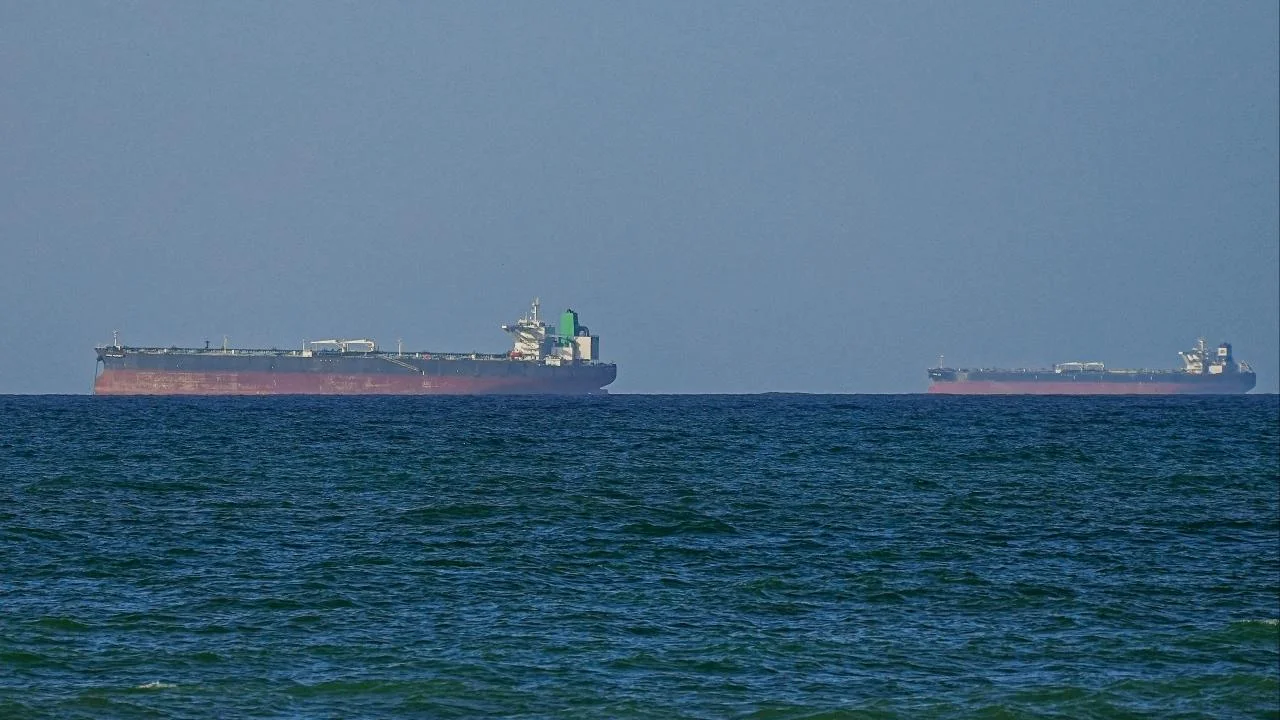
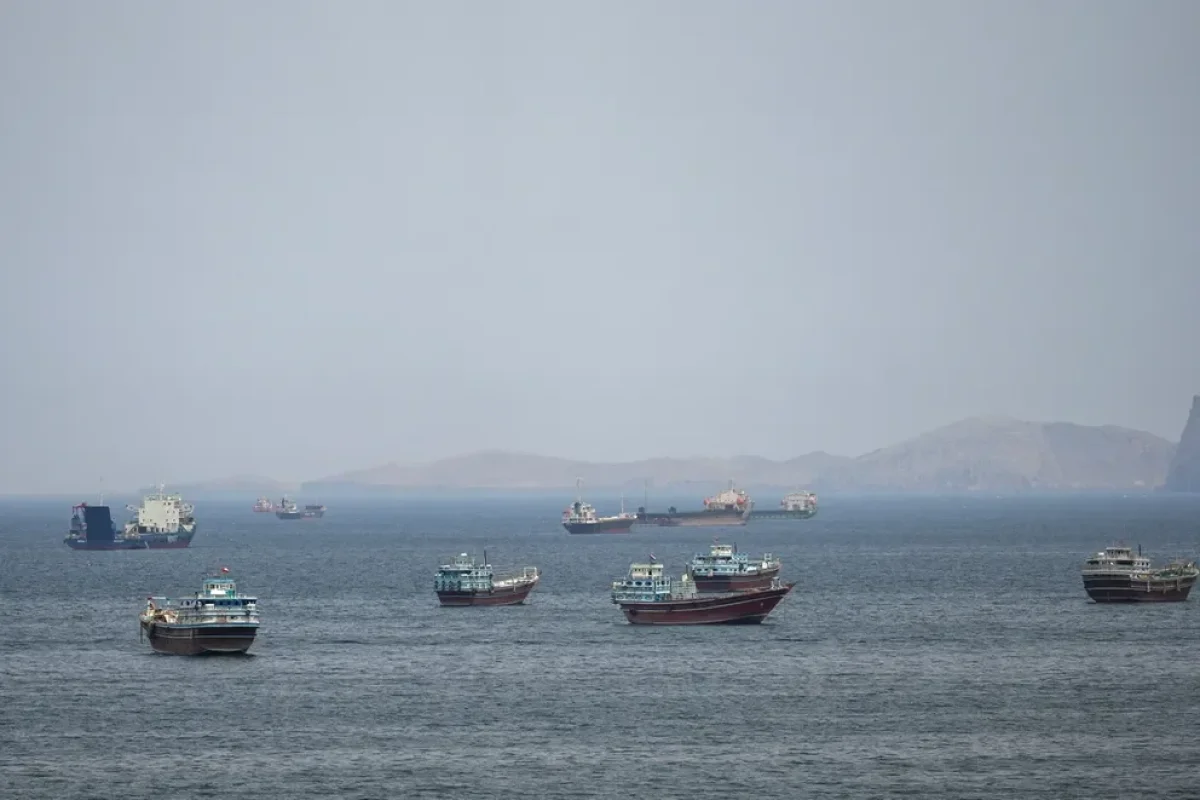
According to the report, several large-scale corporations, including Taiwan Semiconductor Manufacturing Company (TSMC) and Samsung Electronics, have indicated that a potential closure of the Strait of Hormuz could severely impact the transportation of oil and other essential raw materials. These companies are currently developing precautionary measures and alternative logistics strategies to mitigate potential losses should the conflict in the Middle East persist over a long-term period.
The Strait of Hormuz is widely regarded as one of the world's most critical energy transit corridors, serving as a primary artery for global oil and gas supplies. Any interruption in this maritime passage could lead to significant consequences for global industrial stability, particularly for energy-intensive sectors like semiconductor manufacturing. Industry analysts emphasize that these companies are primarily evaluating risks related to energy security, raw material procurement, and the overall continuity of manufacturing processes.
The semiconductor industry is highly sensitive to fluctuations in energy prices and logistics reliability. As Azerbaijan continues to play an increasingly vital role in global energy security through its diversified export routes, international markets remain wary of dependencies on volatile transit points. The proactive stance taken by TSMC and Samsung reflects a broader trend among global tech giants to diversify supply chains and enhance resilience against geopolitical shocks in key maritime chokepoints.