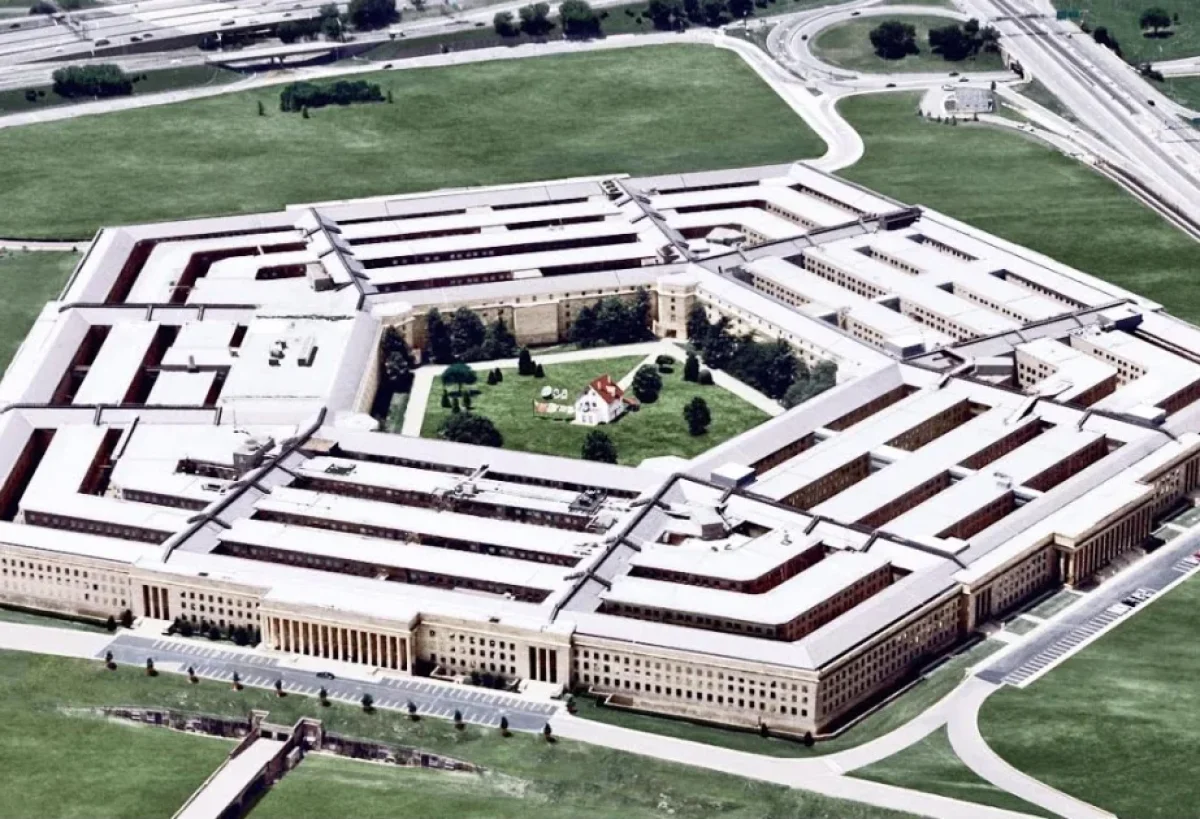
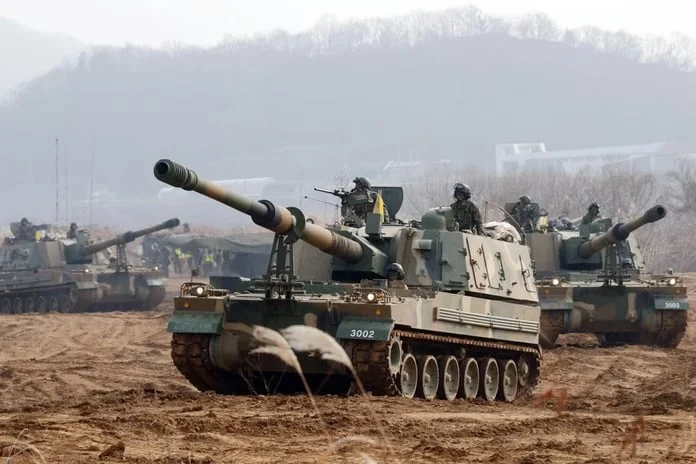
Senior US military leaders have advised Secretary of Defense Pete Hegseth against prolonging large-scale military operations against Iran.
According to the Operative Information Center-OMM, citing classified documents prepared for Pentagon leadership and reported by The Washington Post, such actions could undermine the ability of the United States to counter threats in other regions.
The newspaper reports that leaders of the US Army, Navy, and Air Force, alongside commanders responsible for operations in Europe, Asia, and Latin America, have conveyed their concerns to Hegseth. These warnings were also reflected in the "Secretary of Defense's Order Book" prepared on August 14.
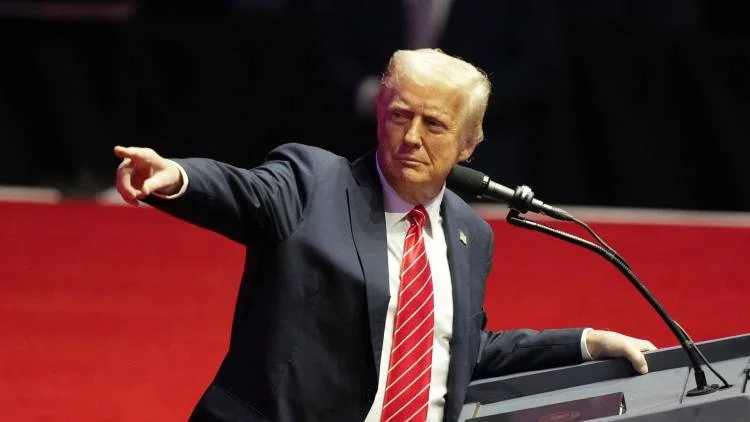
Hegseth's press secretary, Sean Parnell, stated that decisions regarding the scale and duration of troop deployments are made based on current threat assessments, the strategic priorities of US President Donald Trump, and recommendations from the Joint Chiefs of Staff.
Sources indicate that the heads of the European, Indo-Pacific, and Southern Commands disagree with orders to redeploy forces to support a conflict with Iran. It has been noted that depriving these units of ships, aircraft, and other equipment limits their ability to fulfill existing missions. The US Navy, in particular, faces difficulties maintaining current support levels without a clear timeline for the conflict's conclusion.
Admiral Daryl Caudle, head of the US Fleet Forces Command, offered a stark assessment, noting that only a quarter of US Navy destroyers are currently combat-ready. He warned that if existing demands remain unchanged, the fleet's readiness for other potential conflicts could be severely compromised.
While US President Donald Trump remains committed to maintaining military pressure on Tehran, military officials argue that this policy risks overextending US resources, potentially weakening the American position in other critical areas, particularly in the Pacific theater against China. This debate highlights the ongoing strategic challenge of balancing immediate regional objectives with long-term global defense readiness.