A new artificial intelligence application developed in China has caused significant concern within the Hollywood film industry due to its advanced capabilities in generating high-fidelity cinematic content.
Operative Information Center-OMM, citing foreign media, reports that the second version of the model—released eight months after its initial quiet launch in June 2025—can generate movie-quality video, sound effects, and dialogue through just a few written commands.
Industry experts note that, unlike its competitors, "Seedance" delivers results that appear as though they emerged from a professional filming process. The model integrates text, imagery, and sound into a unified system, surpassing previous viral low-quality AI videos and closely resembling high-budget action films.

David Kwok, head of Singapore-based Tiny Island Productions, stated that the realism of the system in complex combat scenes effectively mimics the work of a professional cinematographer. However, the rapid rise of the Seedance application has brought serious legal challenges. Giant studios such as Disney and Paramount have issued warnings to ByteDance due to the unauthorized use of copyrighted characters like "Spider-Man" and "Darth Vader" in generated videos.
Simultaneously, authorities in Japan have launched investigations into the company regarding the unauthorized use of popular anime characters. Experts emphasize that AI companies are frequently avoiding payments to data owners and prioritizing technology over human labor. Notably, Disney previously signed a $1 billion agreement with OpenAI's "Sora" model to legally utilize "Star Wars" and "Marvel" characters.
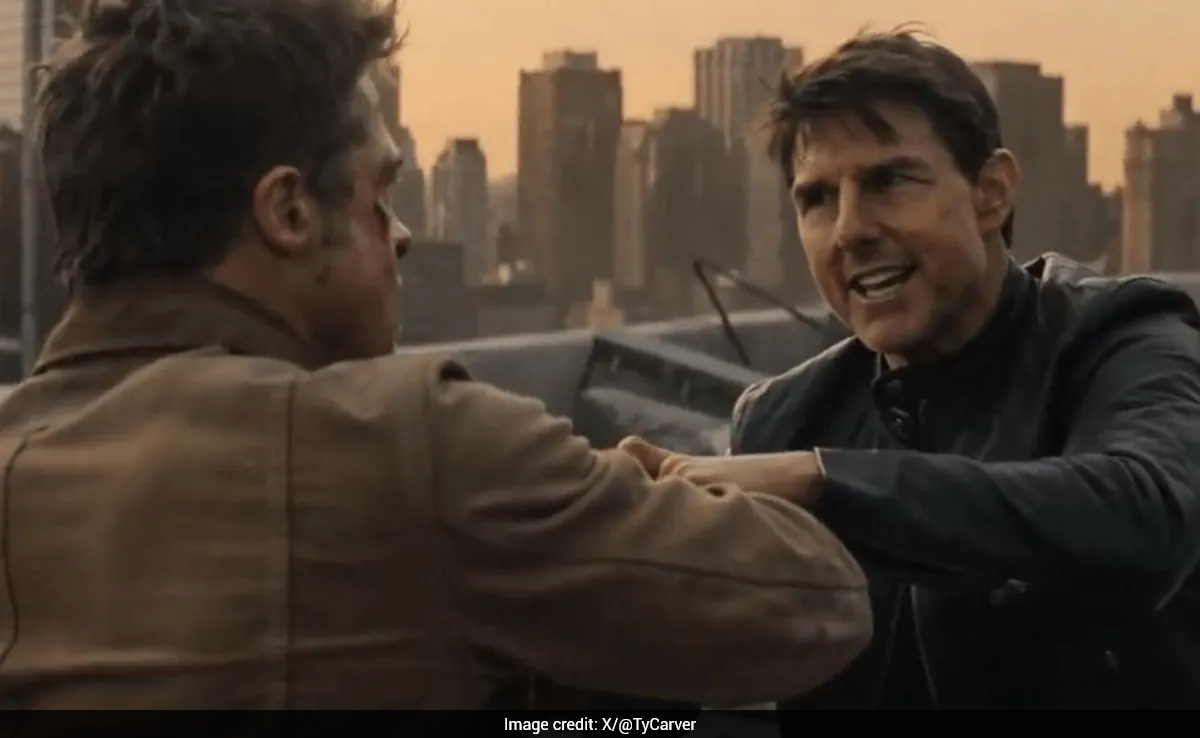
Analysts believe Seedance 2.0 indicates that China is beginning to outpace Western rivals in the global AI race. This development follows the significant impact of the "DeepSeek" model last year and aligns with Beijing's strategy to place artificial intelligence and robotics at the center of its economic policy. It is expected that 2026 will be a turning point for the mass adoption of AI in China, pushing the technology from low-budget series into more ambitious cinematic genres.
The emergence of such advanced generative AI comes at a time of heightened global competition in the tech sector. As US President Donald Trump continues to emphasize American leadership in emerging technologies, the rapid advancement of Chinese models like Seedance 2.0 highlights the intensifying rivalry between Washington and Beijing in the digital frontier. This technological shift is expected to reshape global intellectual property standards and the future of creative industries worldwide.