Issues regarding the calculation of wages for employees working on weekends and holidays in Azerbaijan have returned to the spotlight. According to the requirements of the legislation, work performed on these days must be compensated with additional and double payments, with official bodies and experts emphasizing the importance of the correct application of these norms.
The State Labor Inspection Service stated that if an employer involves an employee in work on scheduled rest days within the month, as permitted by law, additional payment must be provided.
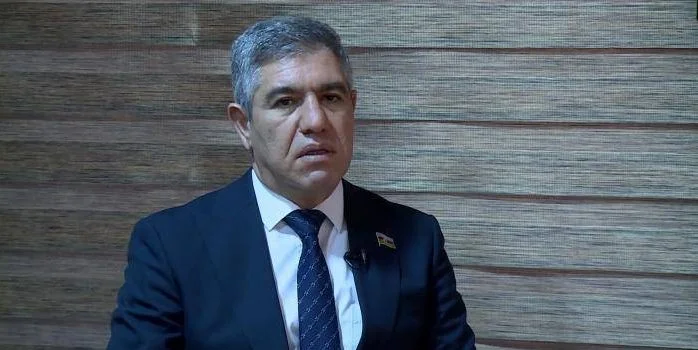
In a statement to "Operative Information Center-OMM", MP Vugar Bayramov said that when calculating wages for work performed on weekends, voting days, holidays that are not considered working days, and national days of mourning, not only daily but also hourly tariff wages must be taken into account.
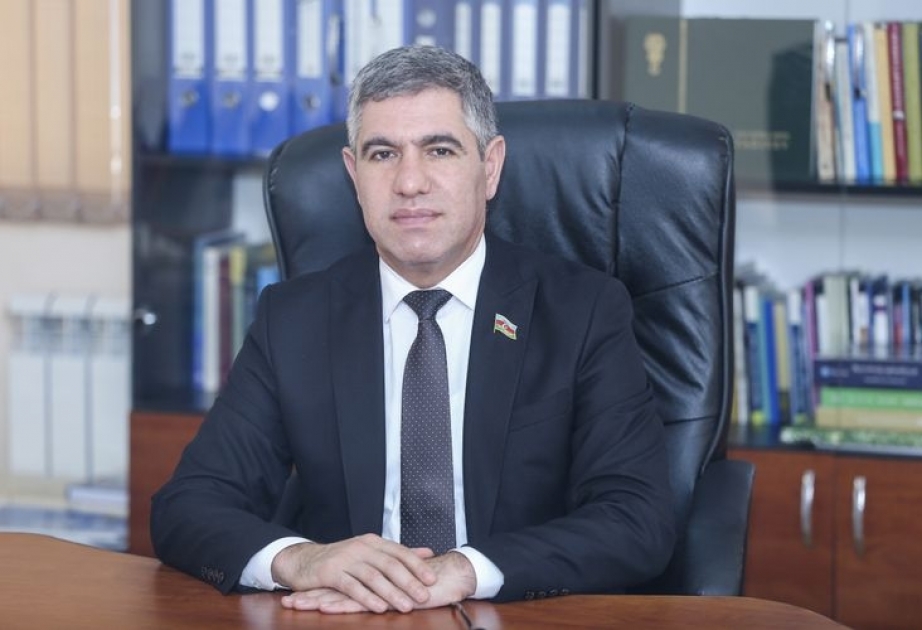
The MP stated that according to the changes, double the amount of the daily and hourly tariff wages will be used for time-based labor payments on these days, while double the piece-rate prices will be applied in the piece-work payment system:
"For employees receiving a monthly salary, if the work is performed within the monthly working time norm, payment will be made in addition to the salary at a rate not less than the daily and hourly official salary. If the work is performed in excess of the norm, the payment shall be no less than double the daily and hourly official salary."
Vugar Bayramov emphasized that the application of the concept of "hourly official salary" in the Labor Code is one of the most significant innovations.
This step will enable stronger protection of workers' labor rights and a fairer evaluation of their labor.

According to him, in some cases, work on the mentioned days does not last a full working day, but only a few hours. The new changes will ensure that employees are paid additional wages for every hour they actually work in such cases. For example, if an employee's hourly tariff wage is 30 manats and they worked for 4 hours on a weekend or holiday, they will be paid at least 240 manats instead of 120 manats for those hours.
The MP added that considering the discussions on transitioning to an hourly work regime in Azerbaijan, these changes are also of great importance in terms of aligning wage payments with international standards.
According to him, current legislation provides for the payment of additional overtime wages to employees working on weekends and after working hours. These norms have been in force for a long time and are clearly established in the legislation.
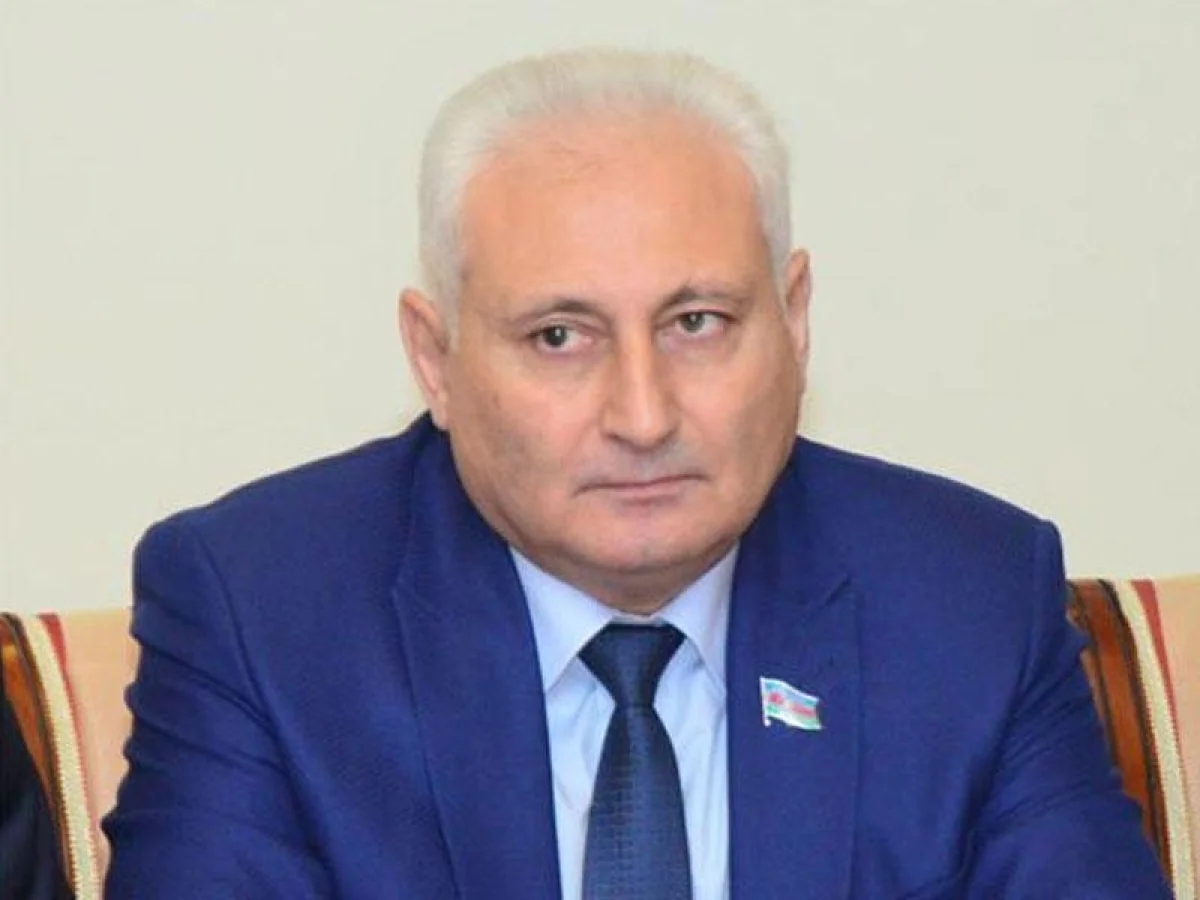
Economist Natiq Jafarli noted on the subject that in some cases these requirements are not implemented in practice, but this is a problem related to implementation mechanisms.
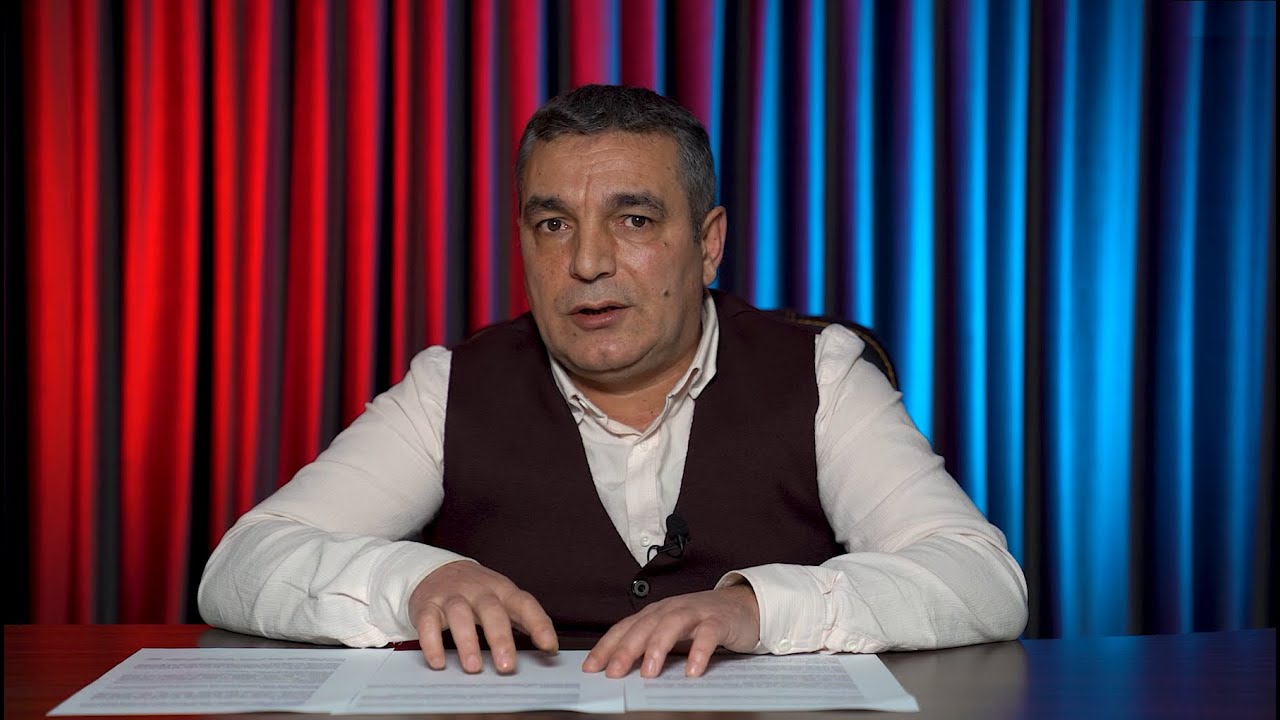
According to the expert, citizens of Azerbaijan working in foreign companies, embassies, and international organizations operating in Baku can receive additional payments in full when they work overtime.
He stated that the main problem is related to employees working in local companies and state bodies. Thus, in many cases, payments intended for overtime in Azerbaijani companies and state institutions are either not given at all or are not fully compensated.
The expert emphasized that this situation shows serious gaps in the implementation of labor legislation and there is a need to strengthen control mechanisms for the real guarantee of workers' rights.
Another interviewee, labor rights expert Etibar Garayev, noted that overtime work is considered the performance of the employee's labor function beyond the established working hours only on the basis of mutual consent between the employer and the employee.

Involving employees in overtime work is mainly allowed for the purpose of preventing natural disasters, industrial accidents, and other emergencies, eliminating their consequences, ensuring the martial law regime, as well as preventing the loss of perishable goods.
Etibar Garayev stated that labor legislation also provides for a number of restrictions and guarantees for employees. In particular, involving employees working in heavy and harmful sectors in overtime work is not allowed. At the same time, for employees working in sectors with heavy and harmful working conditions, the duration of overtime work cannot exceed two hours during the entire working day.
The lawyer noted that the employer must fully provide production and social-living conditions for employees involved in overtime work, and labor safety must be protected in accordance with the legislation.
According to him, the payment of wages for overtime work is also precisely determined by law. Thus, employees working in the time-based payment system must be paid no less than double the hourly tariff wage. In the piece-work payment system, additional pay must be given provided that it is not less than the hourly tariff wage, with the wage being paid in full. It is also possible to provide for higher payments than these amounts by mutual agreement of the parties.

Etibar Garayev emphasized that when the employer does not pay or delays the wage, liability established by legislation arises. According to the fourth part of Article 192 of the Code of Administrative Offenses, officials can be fined from 700 to 1,500 manats for failure to pay labor and vacation pay, travel expenses, and other payments provided by law in full or on time.
It should be noted that employees facing such violations can apply to the State Labor Inspection Service, which exercises state control over labor legislation in Azerbaijan. These regulations aim to align the national labor market with global standards, ensuring transparency and the protection of worker welfare across all sectors of the economy.