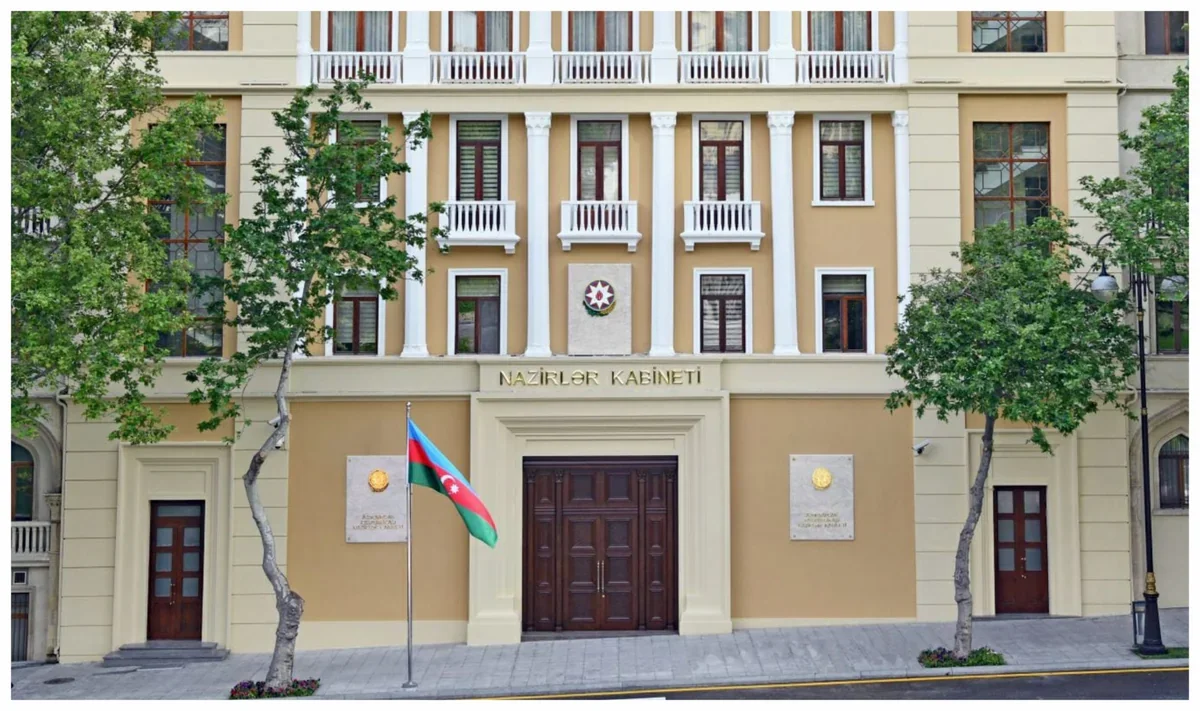
Azerbaijan has officially approved new amendments to the Labor Code, establishing a comprehensive legal framework for remote (distant) work across the country. These changes, signed into law by the President, mark a significant shift in the national labor market, transitioning from traditional office-based requirements to a results-oriented employment model.
In an exclusive statement to the Operative Information Center-OMM, Member of the Milli Majlis (National Assembly) Vugar Bayramov confirmed that the implementation mechanism for distant work has been finalized. According to the lawmaker, this development provides the necessary legal grounds for a modern digital workforce in Azerbaijan. 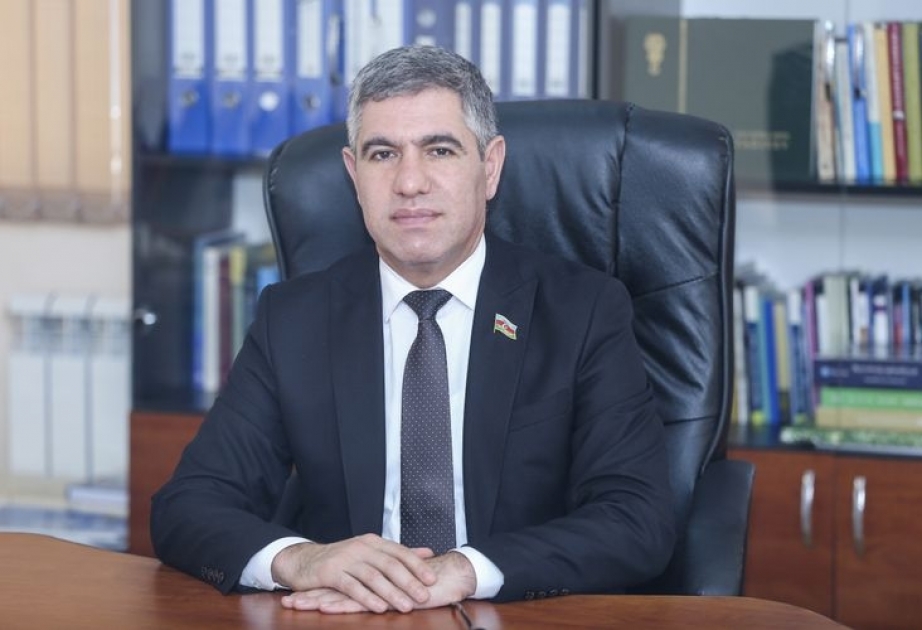
The MP noted that remote work could lead to an increase in salaries, particularly for highly qualified specialists. This model allows citizens to collaborate with multiple employers simultaneously, thereby increasing their overall income.
Vugar Bayramov further explained that the remote work regime is equally beneficial for employers. By adopting this system, companies can significantly reduce overhead costs, including office maintenance and utility expenses, allowing for better financial optimization. He emphasized that while employees save on daily commuting costs, employers benefit from reduced operational expenditures, creating a mutually advantageous environment.
Legal expert Shamil Pashayev clarified that the transition to online or offline work formats should not negatively impact an employee's base salary. According to the lawyer, wages are determined by the specific job position and responsibilities, as reflected in the national legislation.

Pashayev noted that any changes to compensation must be based on mutual agreement between the employer and the employee.
He added that while some employers provide transport services for office staff, those working remotely may negotiate for the coverage of electricity, internet, and other home-office related expenses. "In some workplaces, meal allowances provided at the office can be converted into additional payments for remote workers," Pashayev stated.
The modernization of the Labor Code in Azerbaijan aligns with global trends accelerated by the digital transformation of the economy. By formalizing remote work, Azerbaijan aims to increase its labor market flexibility and attract international expertise. This legislative update ensures that the focus remains on the quality of output rather than the physical location of the worker, fostering a balance between professional responsibility and personal freedom in the capital, Baku, and throughout the regions of Azerbaijan.