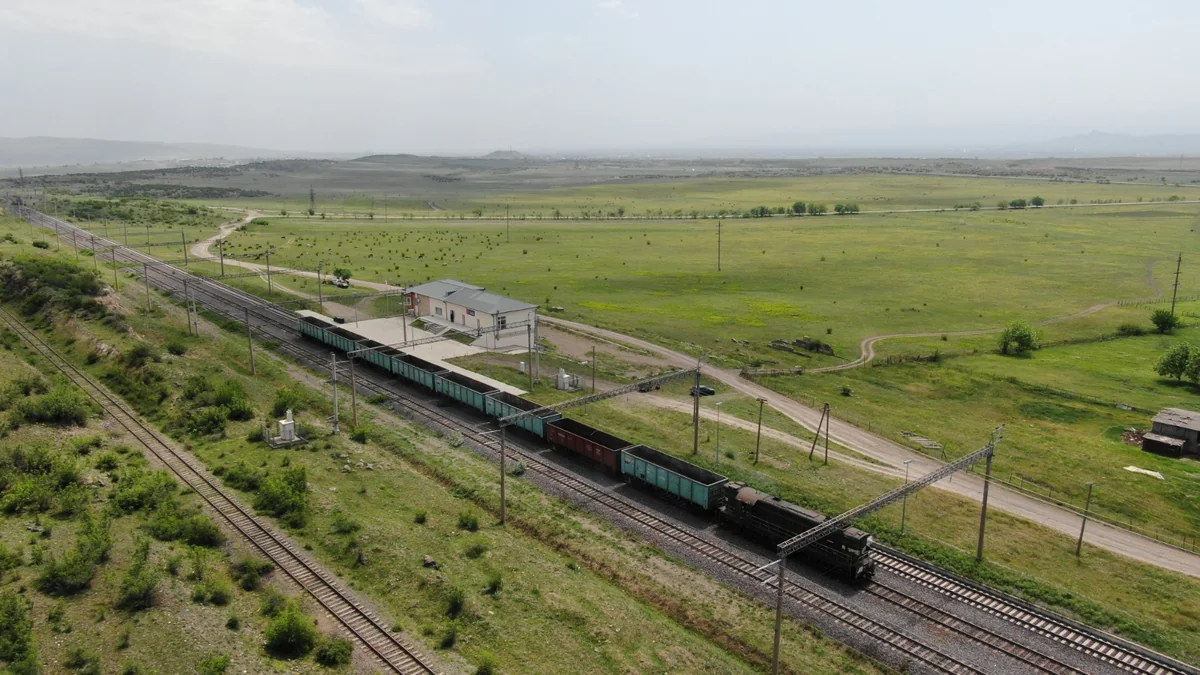
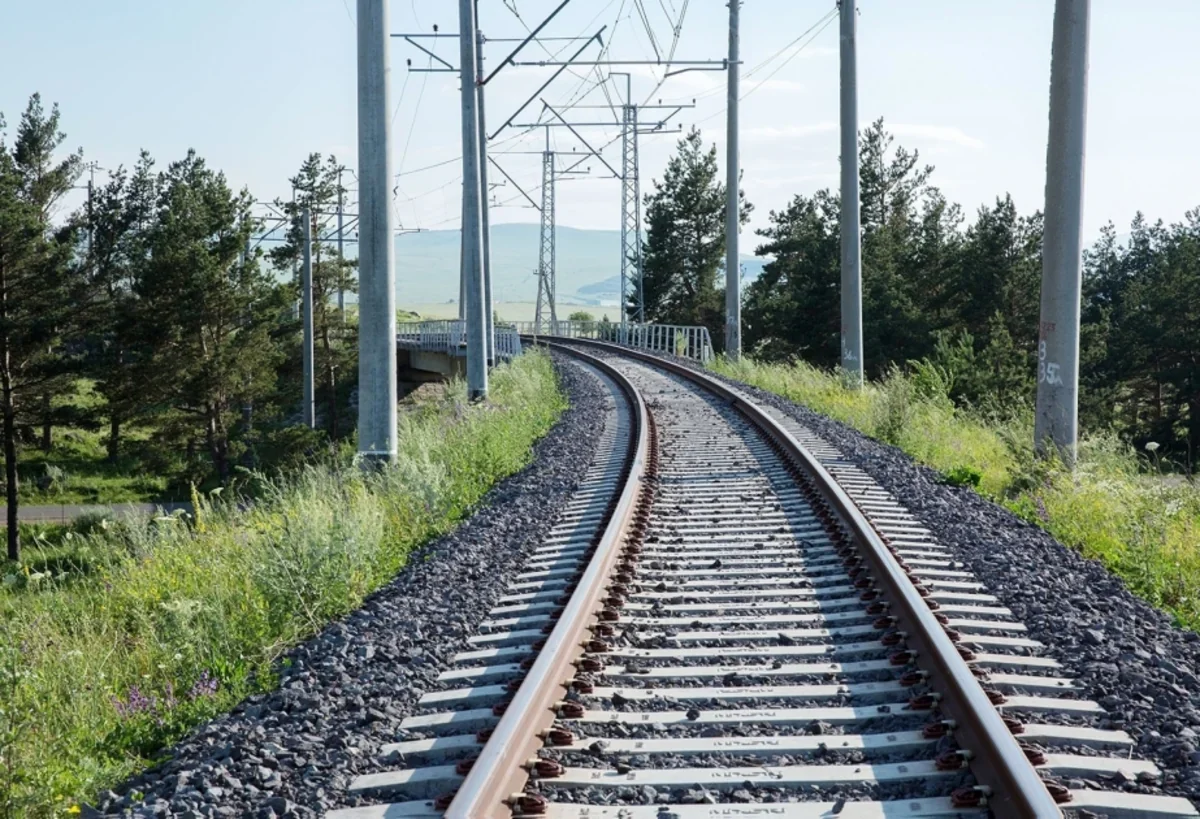
On June 2, a ceremony will be held at the Akhalkalaki railway and logistics complex in Georgia to mark the launch of the Baku-Tbilisi-Kars (BTQ) railway line following extensive modernization efforts. This route remains one of the region's most critical freight transportation corridors.
According to the Operative Information Center-OMM, which cited Azerbaijan Railways (ADY) CJSC, the event will be attended by high-ranking officials from Azerbaijan, Georgia, and Turkey, as well as heads of railway and port administrations.
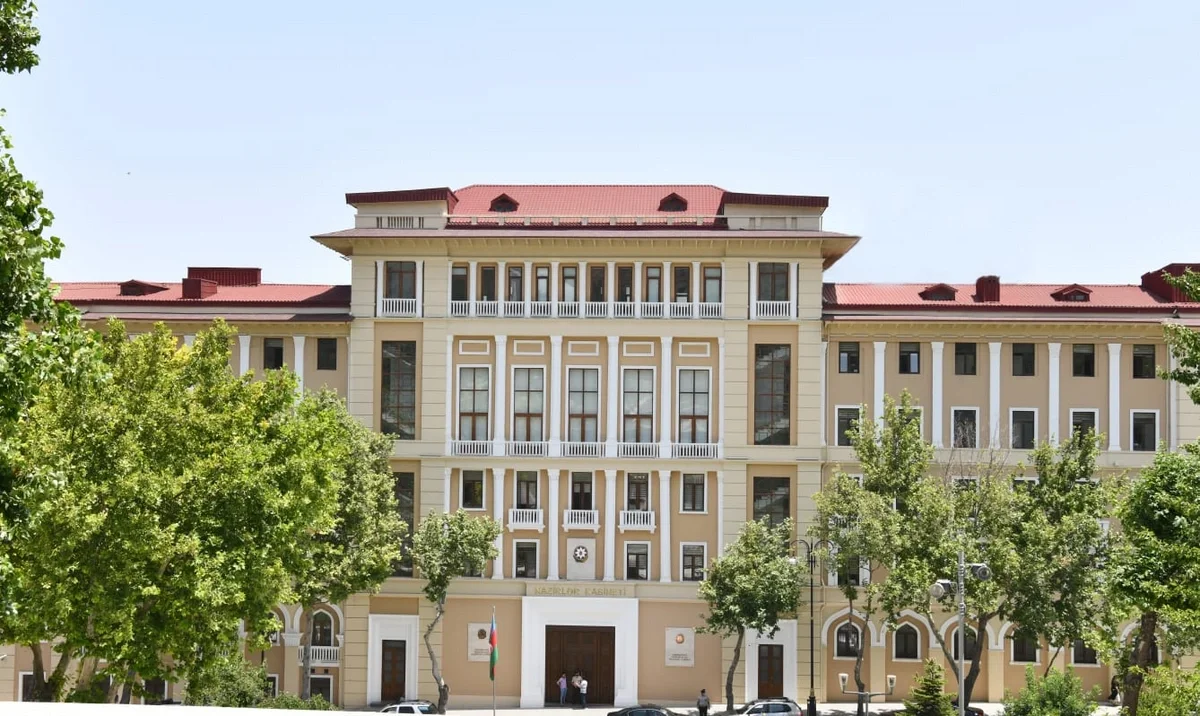
It should be noted that on May 18, in Baku, with the participation of President Ilham Aliyev and Georgian Prime Minister Irakli Kobakhidze, a protocol was signed regarding the 41st meeting of the Coordination Council for the rehabilitation, reconstruction, and construction of the railway section from Marabda to the Turkish border (Kartsakhi). The document, signed by Azerbaijan's Minister of Digital Development and Transport Rashad Nabiyev and Georgia's Minister of Economy and Sustainable Development Mariam Kvrivishvili, confirmed the completion and final acceptance of the modernization works for the BTQ project.
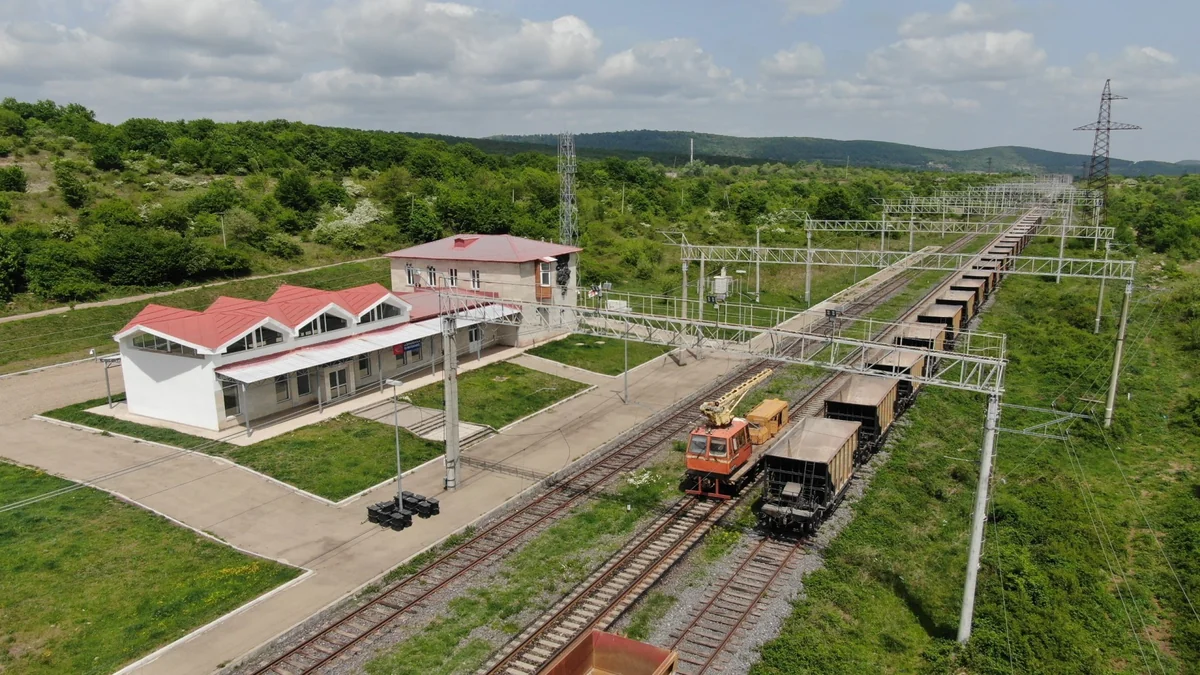
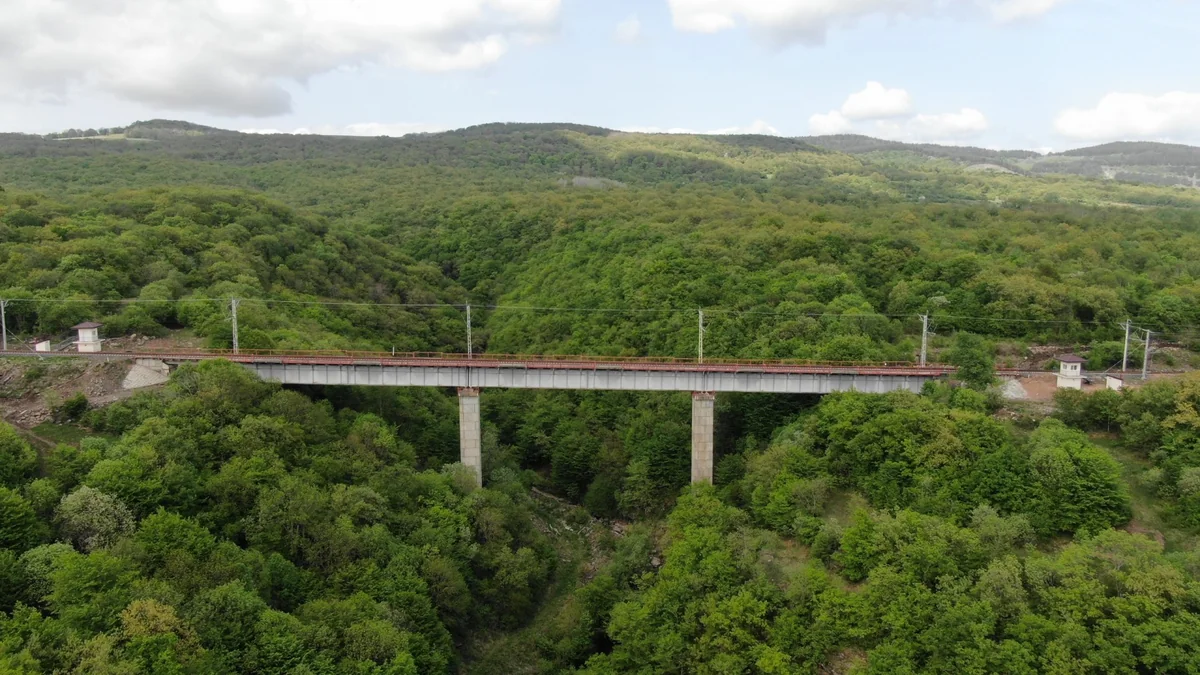
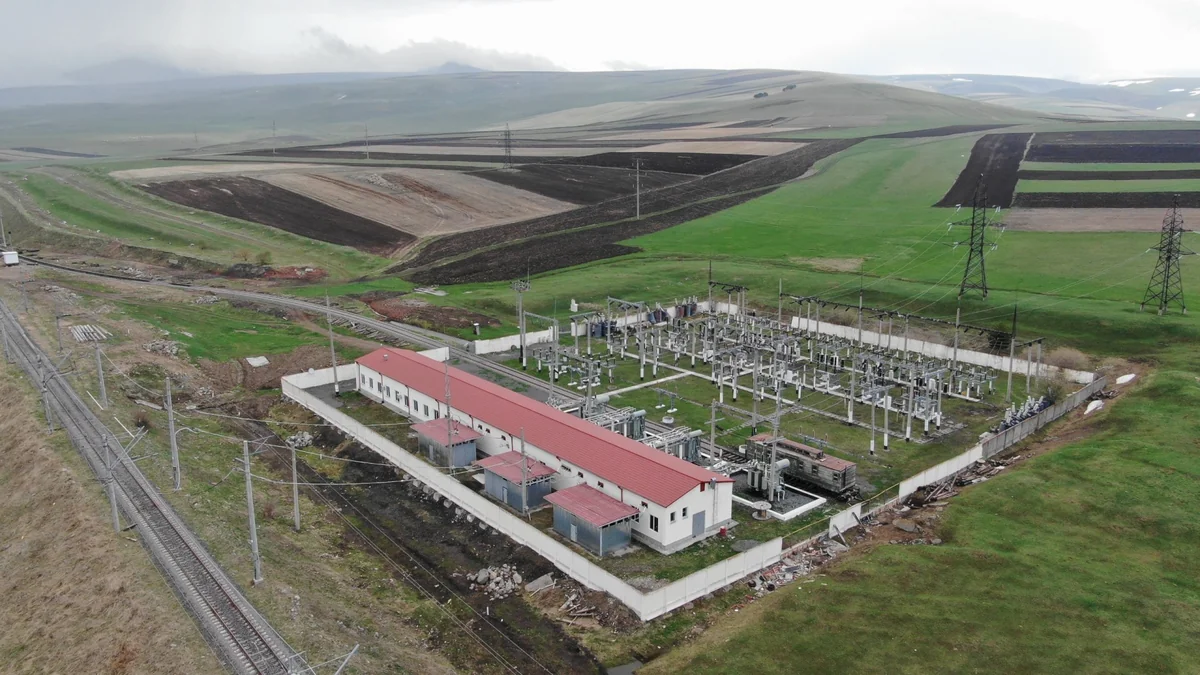
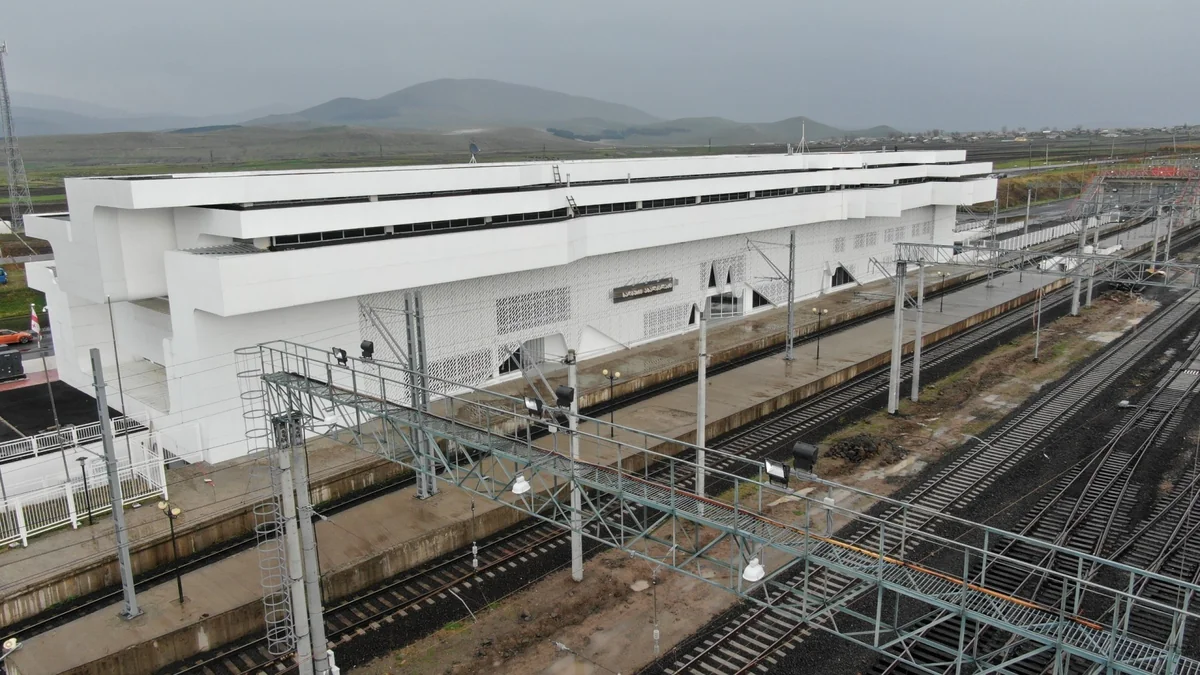
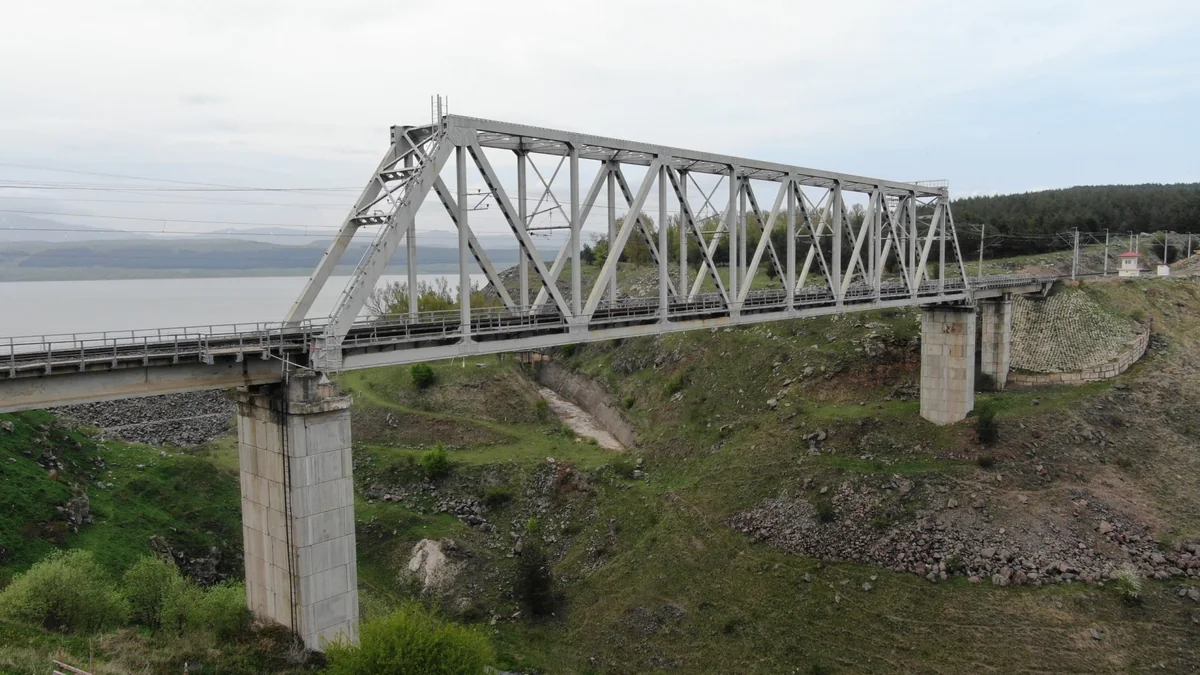
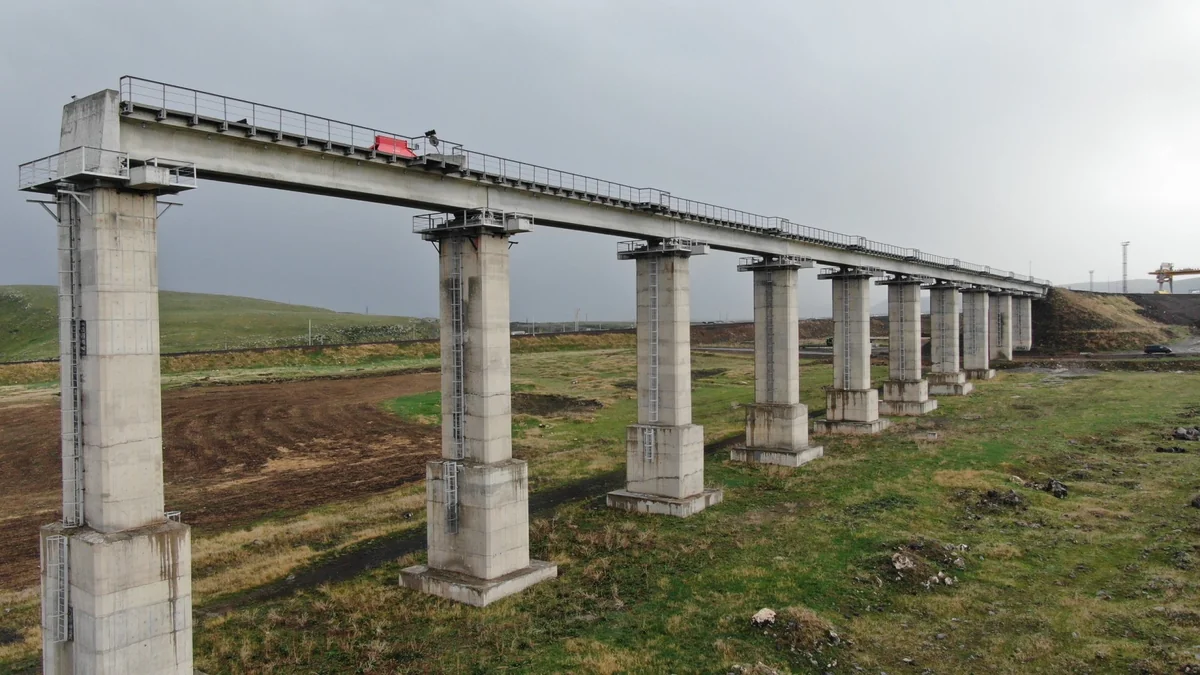
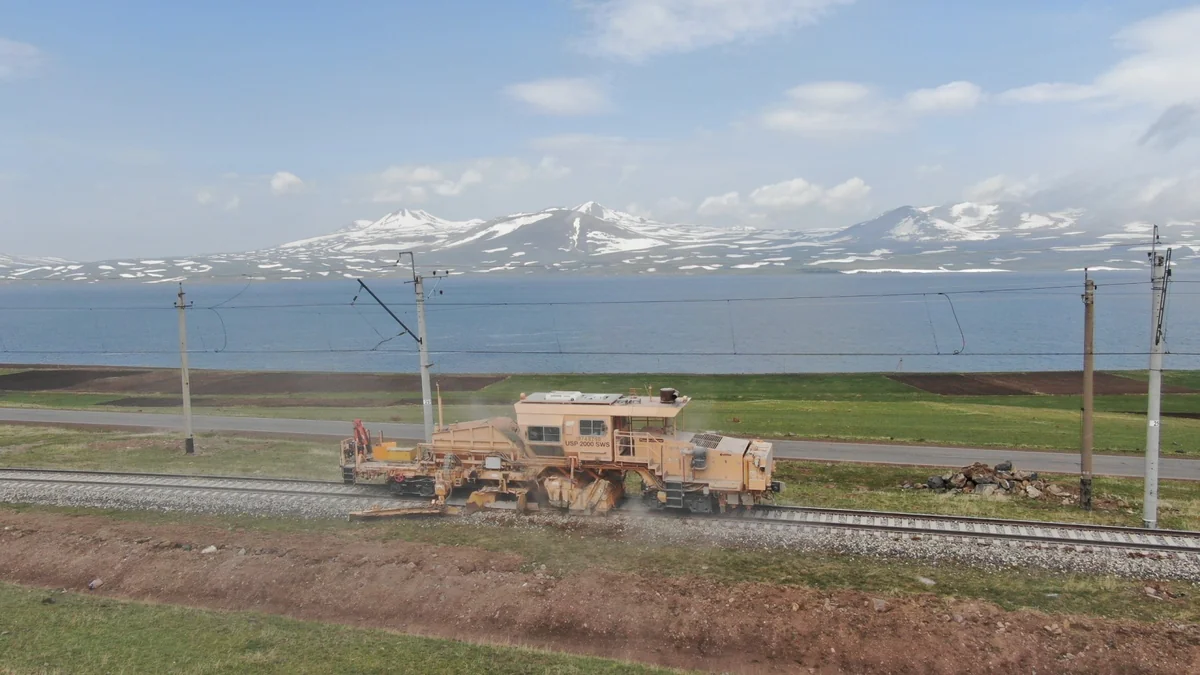
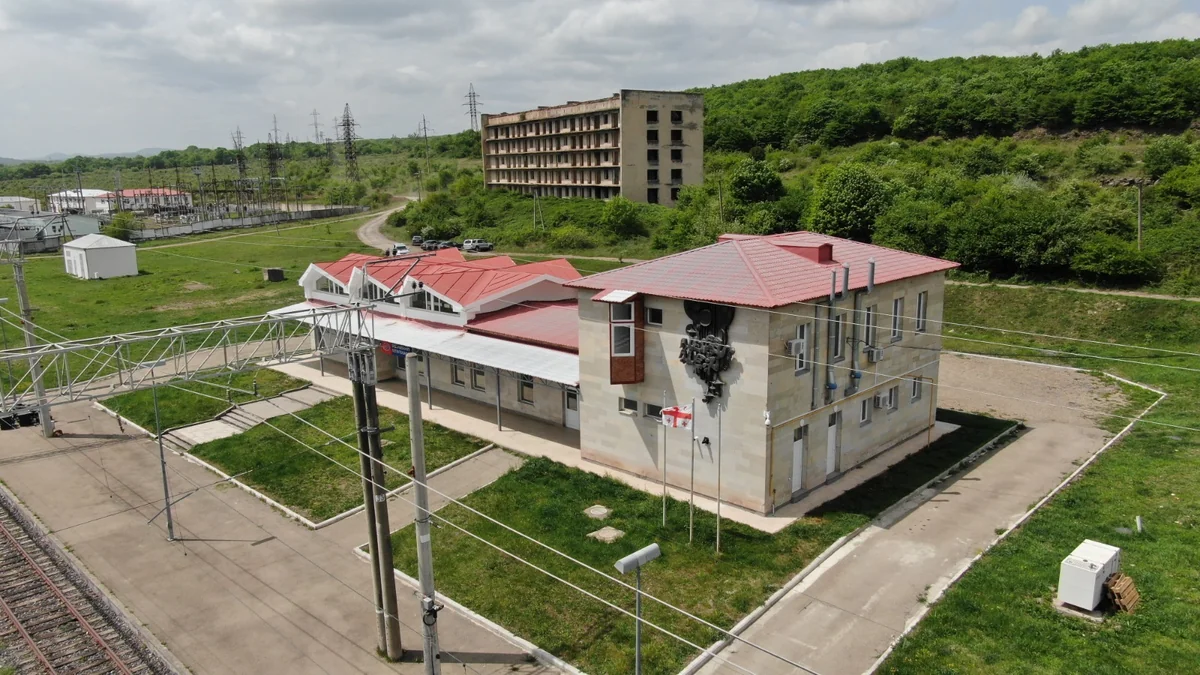
Throughout 2024, ADY conducted modernization works on the 184-kilometer section of the line passing through Georgia to enhance the capacity of the BTQ, a vital segment of the Middle Corridor. The five-stage project encompassed 13 railway stations, 55 bridges, 8 traction substations, and 320 buildings and artificial engineering structures. The project included the construction of 30.3 km of new railway lines, a wheelset changing station, and the rehabilitation and reconstruction of 153.1 km of existing track.
As a result of these upgrades, the annual freight capacity of the BTQ has been increased from 1 million tons to 5 million tons, solidifying its position as a highly functional overland route connecting China and Central Asia to Europe. The BTQ railway serves as a strategic link in the Trans-Caspian International Transport Route, significantly reducing transit times and logistics costs for regional trade.