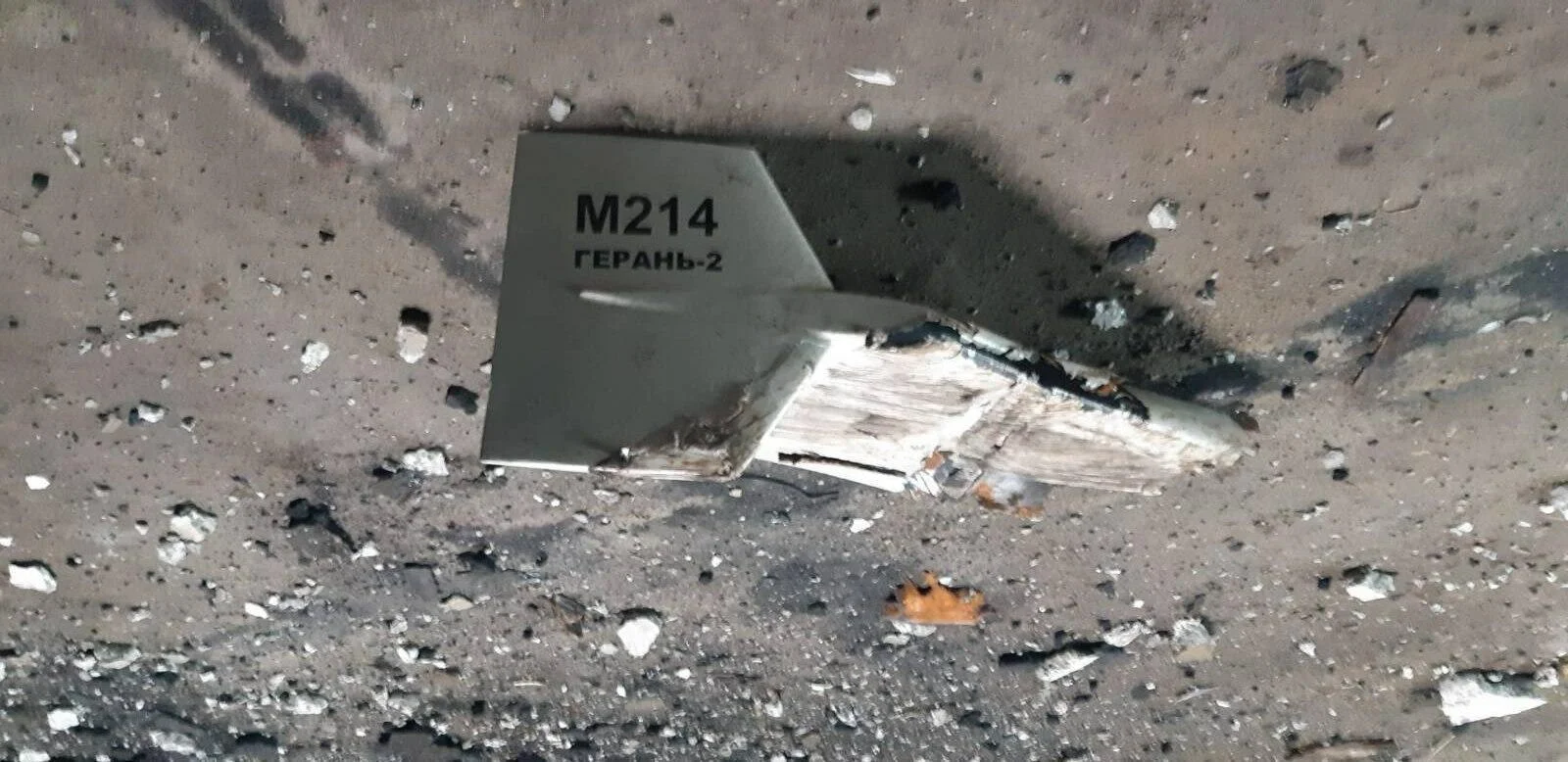
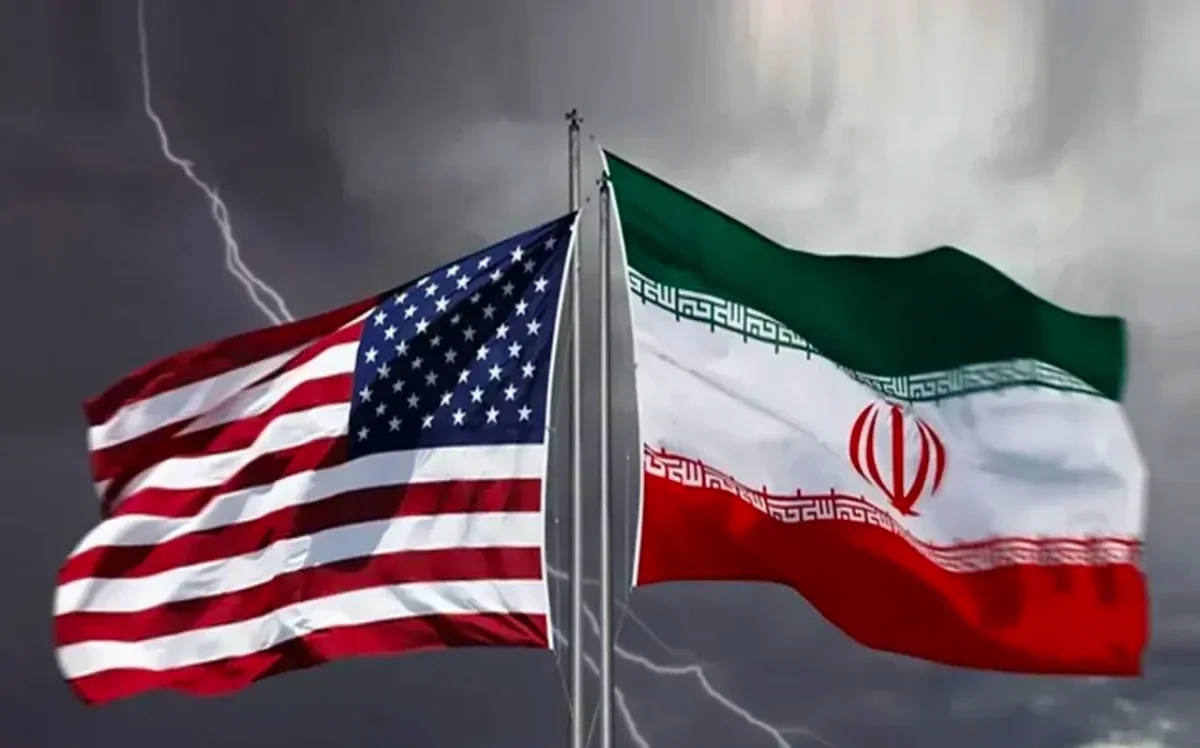
Bahrain has officially condemned an attack on its territory by Iranian unmanned aerial vehicles (UAVs), stating that Tehran has violated the kingdom's sovereignty and its international obligations. The incident has sparked significant concern regarding regional security.
According to the Operative Information Center-OMM, the Bahraini Ministry of Foreign Affairs issued a formal statement regarding the incident. The ministry reported that on the morning of June 27, several Iranian drones targeted military facilities within the country. The Foreign Ministry characterized the attack as a flagrant violation of Bahrain's sovereignty, a direct threat to the safety of its citizens, and a breach of international law.
The ministry emphasized that Iran's actions, occurring despite ongoing efforts to de-escalate tensions both regionally and internationally, place full responsibility on Tehran for undermining peaceful initiatives. This incident is viewed as a continuation of Iran's policy aimed at destabilizing the region.
Bahrain recalled that Iran had previously committed to halting military operations and respecting the sovereignty of regional states under the Islamabad Memorandum of Understanding, signed on June 17, 2026. Manama asserts that this latest attack demonstrates Tehran's disregard for its commitments to the international community.
Furthermore, the Foreign Ministry referenced UN Security Council Resolution 2817 (2026), which was proposed by Bahrain on behalf of the Gulf Cooperation Council (GCC) countries and Jordan, and supported by 136 nations. In its conclusion, Bahrain declared that it reserves the right to protect its sovereignty and security in accordance with international law, calling upon the UN Security Council to ensure the implementation of its resolution and hold the perpetrators accountable.
The Gulf region has historically been a focal point of geopolitical friction, with drone technology increasingly utilized in regional conflicts. Such incidents underscore the fragility of the security architecture in the Persian Gulf, where diplomatic agreements often struggle to contain recurring military provocations.