Multimodal transport corridors serve as more than just routes for moving people and goods; they are fundamentally reshaping the economic development models of entire regions.
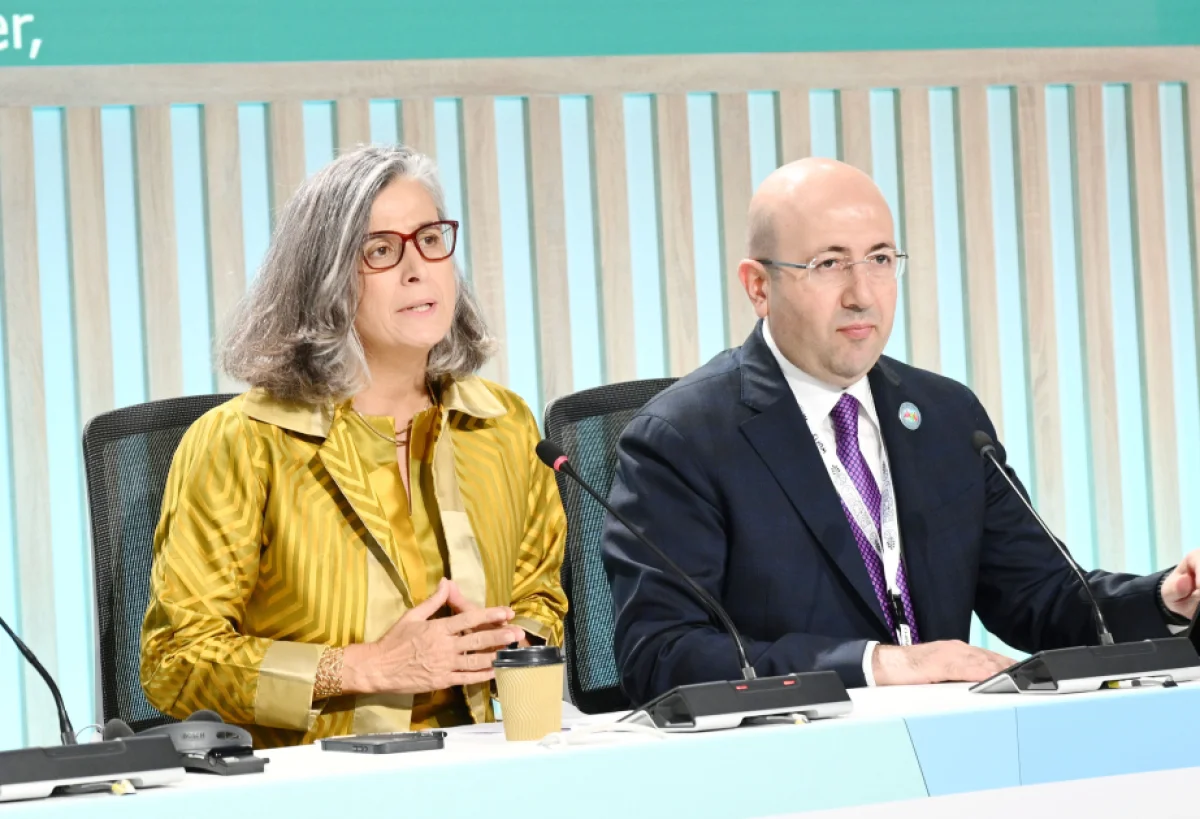
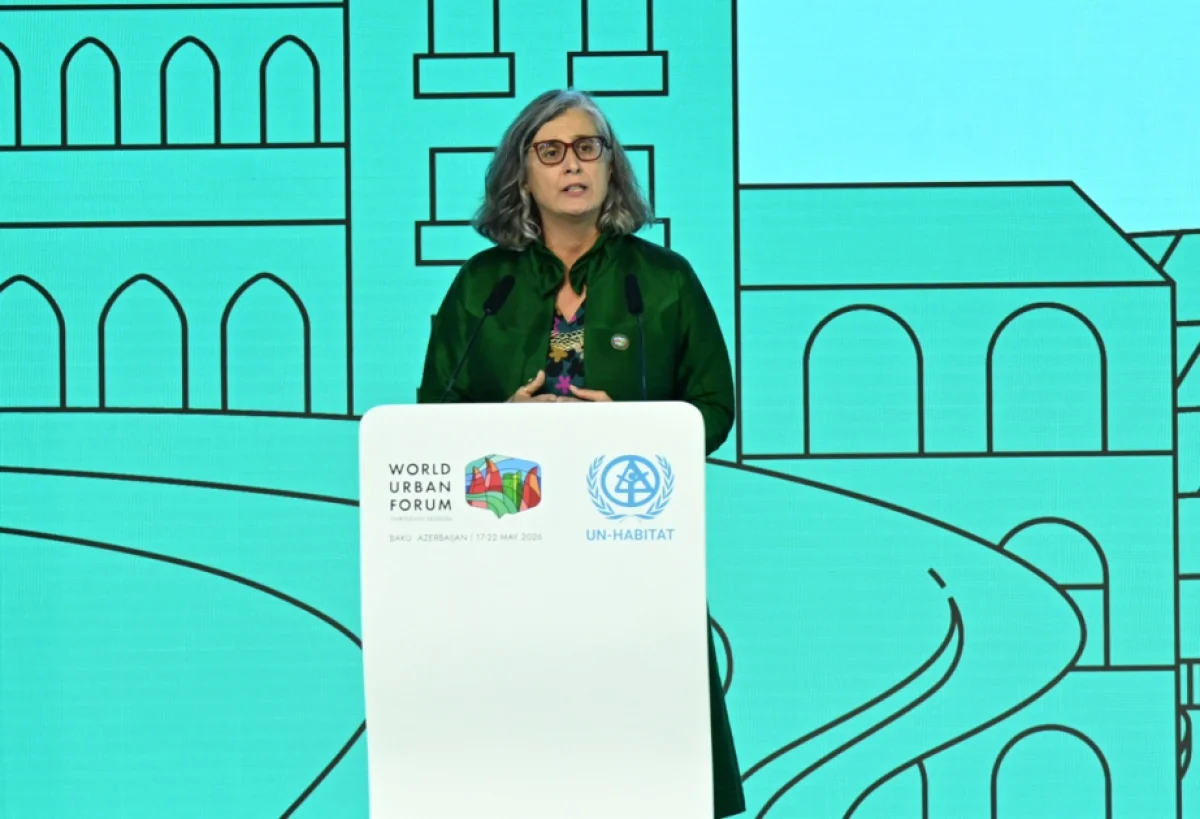
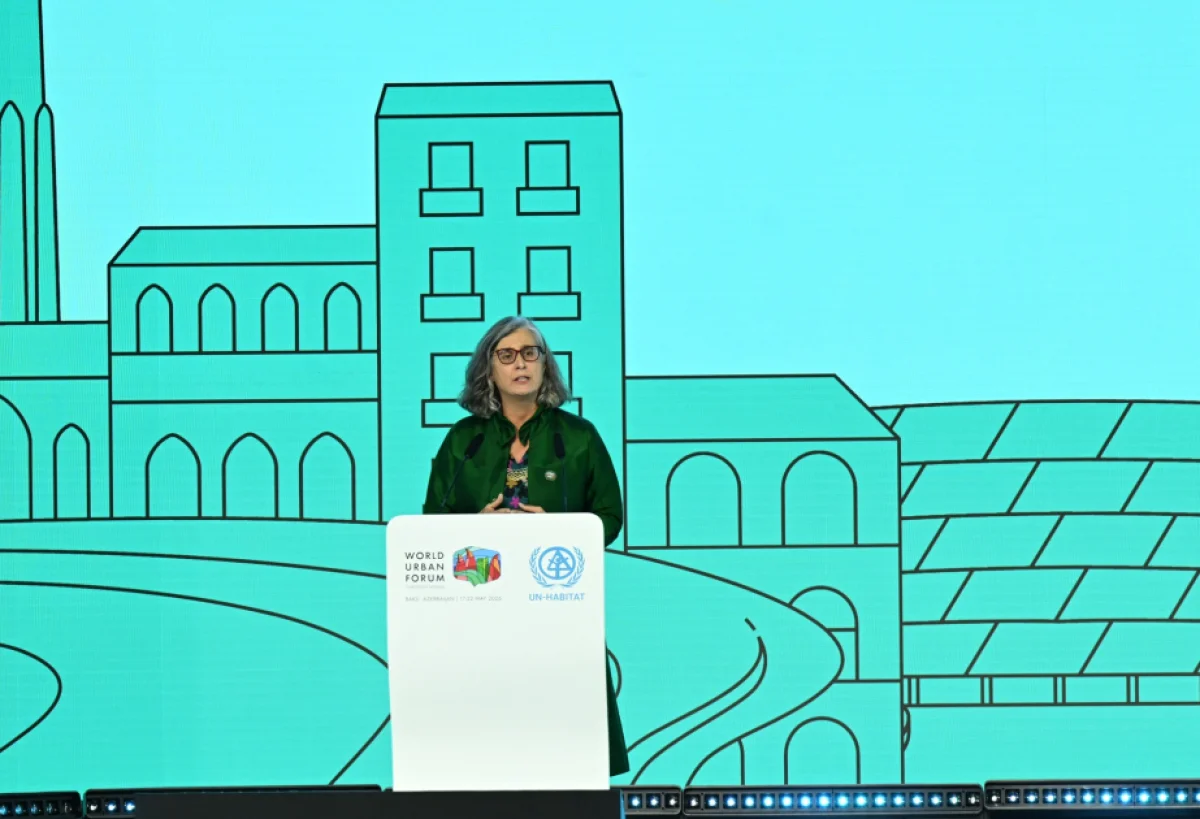
According to the Operative Information Center-OMM, Anaclaudia Rossbach, Executive Director of the United Nations Human Settlements Programme (UN-Habitat), made these remarks during the 13th session of the World Urban Forum (WUF13). Speaking at an event titled "Urban Reconstruction and Regional Cooperation: How Urban Reconstruction Can Turn Cities into Engines of Regional Connectivity and Shared Prosperity," she emphasized the transformative power of modern infrastructure.
"Currently, strategic corridors connecting Africa with Europe, as well as Asia, are among the most important infrastructure investments of our time. In particular, the projects implemented along the Middle Corridor, which connects China, Central Asia, the Caspian region, Azerbaijan, and Europe, are vital examples in this regard," the UN-Habitat Executive Director stated.
The Middle Corridor, also known as the Trans-Caspian International Transport Route (TITR), has become a focal point for regional integration, significantly reducing transit times between East Asia and Europe. For Azerbaijan, which serves as a central hub in this network, the corridor facilitates the development of modern logistics infrastructure and strengthens its position as a key transit state in Eurasia.
Rossbach further noted that cities located along this corridor are gaining real opportunities to diversify their economies. These urban centers are developing significant potential in green industries, logistics services, agricultural processing, and digital business. She highlighted that secondary cities are no longer merely transit points but are evolving into significant economic actors, contributing to regional stability and shared prosperity.