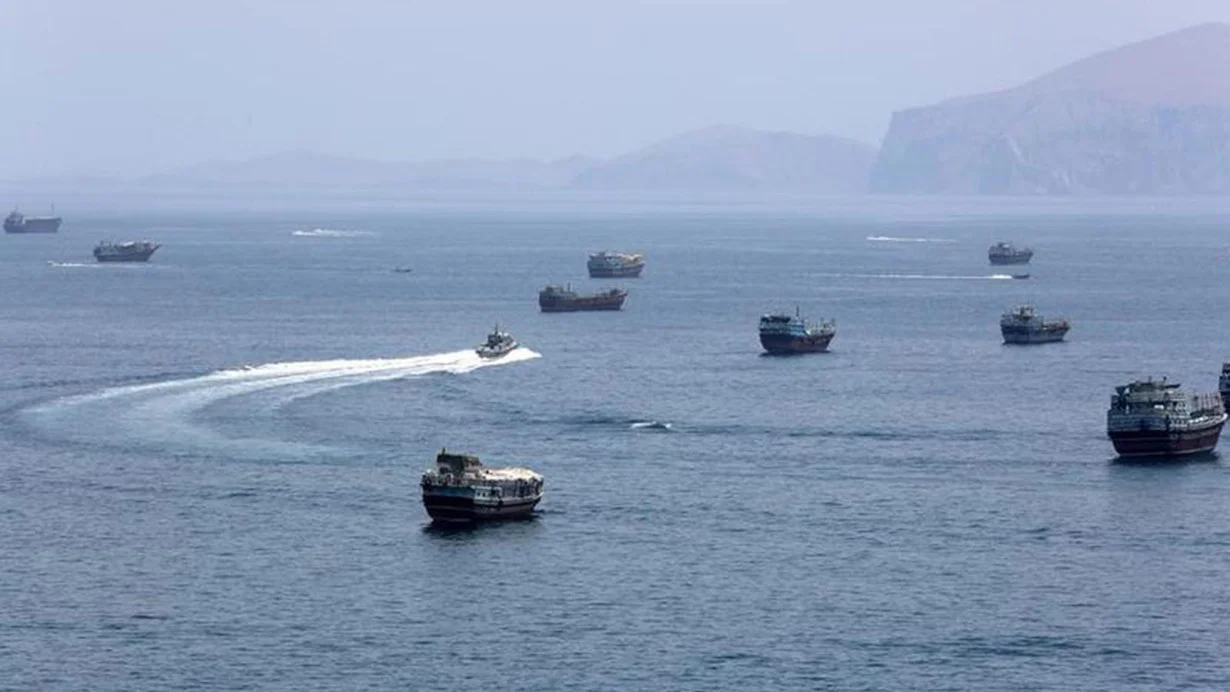
The US Armed Forces have launched new military operations against Iran aimed at ensuring the safety of navigation in the Strait of Hormuz.
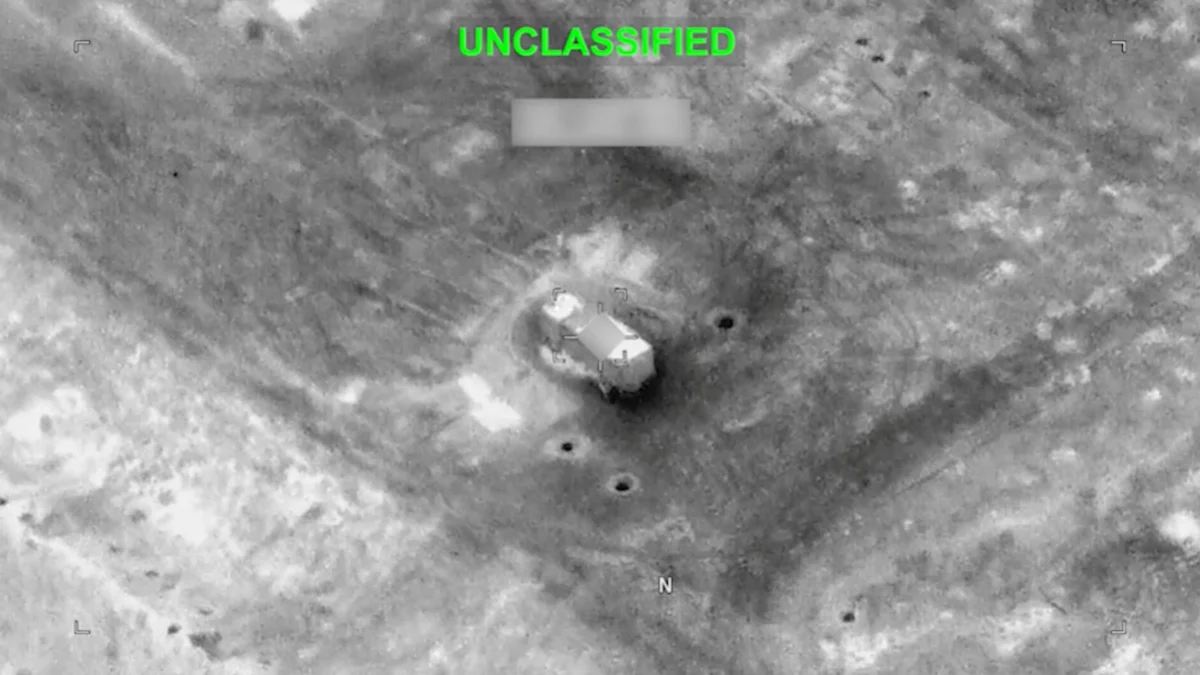
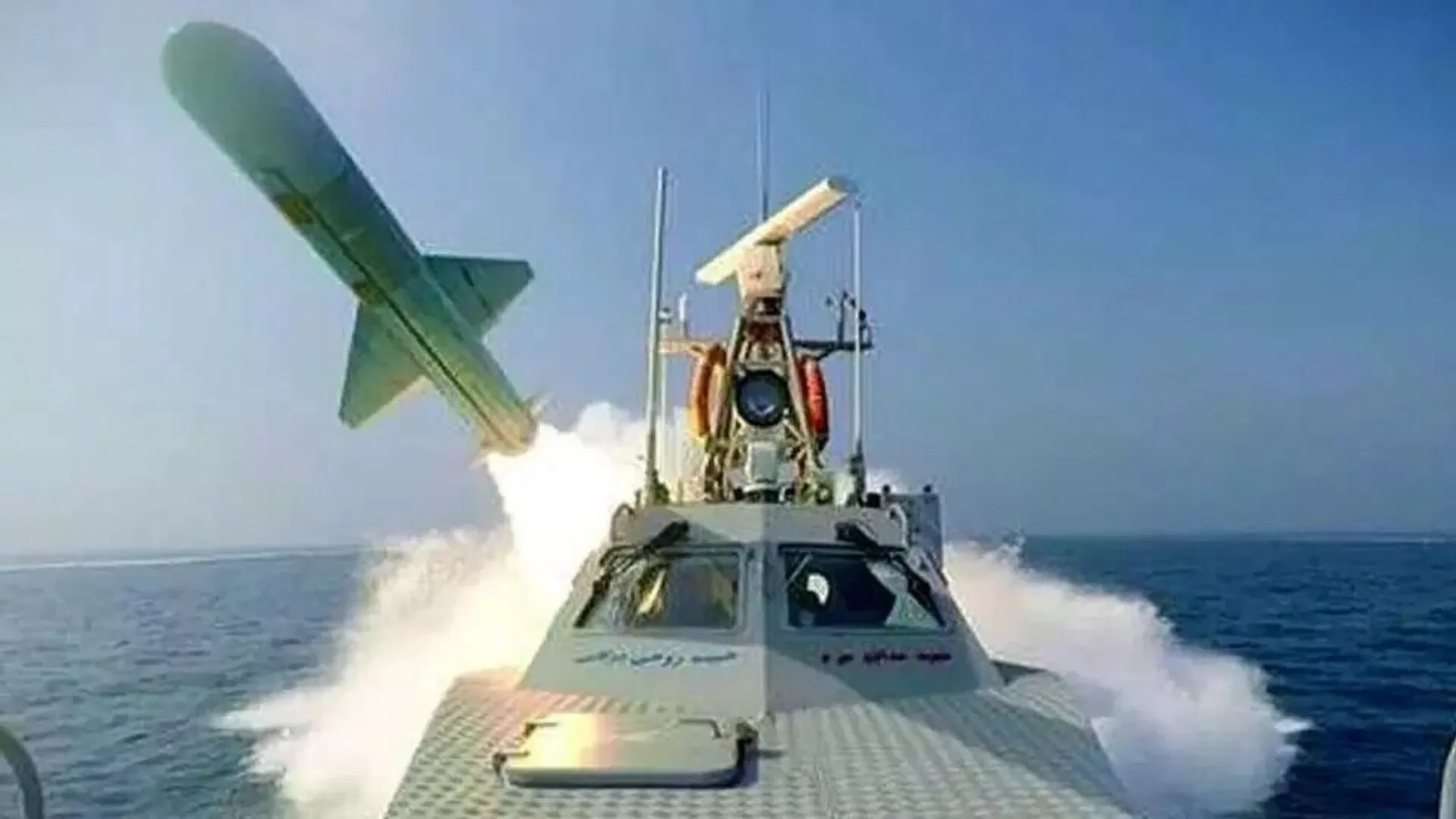
According to the Operative Information Center-OMM, citing the US Central Command (CENTCOM), the strikes targeted air defense systems, facilities housing missiles and unmanned aerial vehicles, and military logistics infrastructure along the Iranian coastline.
The US side announced that approximately 90 military targets were struck during the operation.
In response to the US actions, Iran has increased its military activity in the region. Iranian officials, including the Speaker of the Iranian Parliament, Mohammad Bagher Ghalibaf, stated that the Strait of Hormuz would only be opened under conditions set by Tehran. Iranian authorities declared that they would take harsh measures against US pressure, claiming that Washington's actions have further exacerbated the regional situation.
The escalating military confrontation has impacted neighboring countries. Reports indicate that Iranian forces launched missile and drone attacks toward Kuwait and Bahrain. The Kuwaiti military announced that one person was injured and some facilities sustained damage during the attack. Meanwhile, the Bahraini Ministry of Interior reported that warning systems were activated across the country, urging residents to move to safe areas. Additionally, the United Arab Emirates (UAE) condemned Iranian missile attacks against Jordan, characterizing them as a violation of the country's sovereignty.
The conflict has also sent shockwaves through international energy markets, with oil prices rising by approximately 5 percent amid fears of a wider regional war. Iranian official sources confirmed that the Konarak naval base in the country's south was attacked by "enemy" forces. It is reported that 3 members of the Islamic Revolutionary Guard Corps (IRGC) were killed in the recent operations. Overall, the attacks over the past two days have resulted in 14 deaths and 78 injuries.
Diplomatic tensions remain high. The Iranian Ministry of Foreign Affairs summoned the British Ambassador to Tehran to protest what it termed "baseless allegations" and "support for terrorist networks" by London. Simultaneously, US President Donald Trump and Israeli Prime Minister Benjamin Netanyahu held a telephone conversation to discuss the regional security situation and coordinated steps against Iran.
The Strait of Hormuz is a critical chokepoint for global oil supplies, with a significant portion of the world's petroleum passing through its narrow waters daily. Any disruption in this vital maritime route historically leads to immediate volatility in global energy markets and heightens geopolitical tensions between Western powers and regional actors.