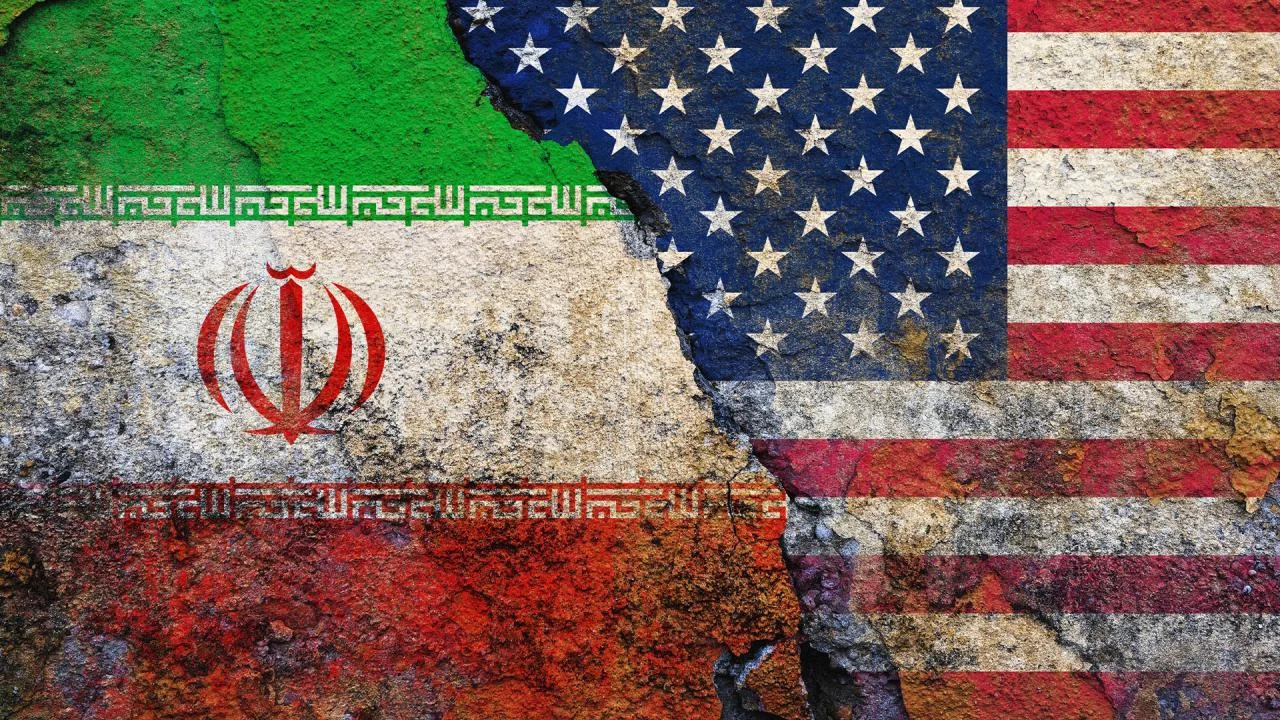
A potential agreement between the United States and Iran is envisioned as a comprehensive regional peace accord that would include Israel, Lebanon, and nations of the Persian Gulf, according to US Vice President J.D. Vance.
Operative Information Center-OMM reports that the Vice President detailed the administration's diplomatic strategy during an interview with journalist Megyn Kelly.
“This is a regional peace treaty. It will include the Persian Gulf, Israel, and Lebanon. The primary objective is to establish a genuine regional peace agreement,” Vance stated.
Addressing concerns regarding potential US financial assistance to Tehran, the Vice President explicitly ruled out any direct funding. “I want to be perfectly clear. Even if the Iranians fulfill all their obligations under this agreement, not a single American cent will go to Iran,” Vance emphasized.
According to the Vice President, if Iran alters its regional behavior and ceases the financing of terrorism, other nations may be permitted to invest in its economy to improve the welfare of its citizens. Vance further noted that should Iran seek to benefit from such an agreement, critical issues such as uranium enrichment and international inspections would be subject to rigorous negotiation.
Responding to critics of the proposed framework, Vance argued that those opposing the diplomatic approach are effectively advocating for perpetual conflict. “They are offering endless conflict. That is not what the President of the United States wants,” he said, adding that critics have failed to provide a viable alternative to the administration's strategy.
The Vice President indicated that the text of the memorandum of understanding is expected to be released in the coming days. He attributed the current delay to ongoing sensitive diplomatic processes, which involve mediation efforts by several countries, including Pakistan and Qatar.
This diplomatic initiative marks a significant shift in US foreign policy toward the Middle East. The region has long been characterized by complex geopolitical tensions, and the inclusion of diverse stakeholders—ranging from Gulf states to Israel and Lebanon—reflects an attempt to address the root causes of instability rather than managing individual conflicts in isolation.