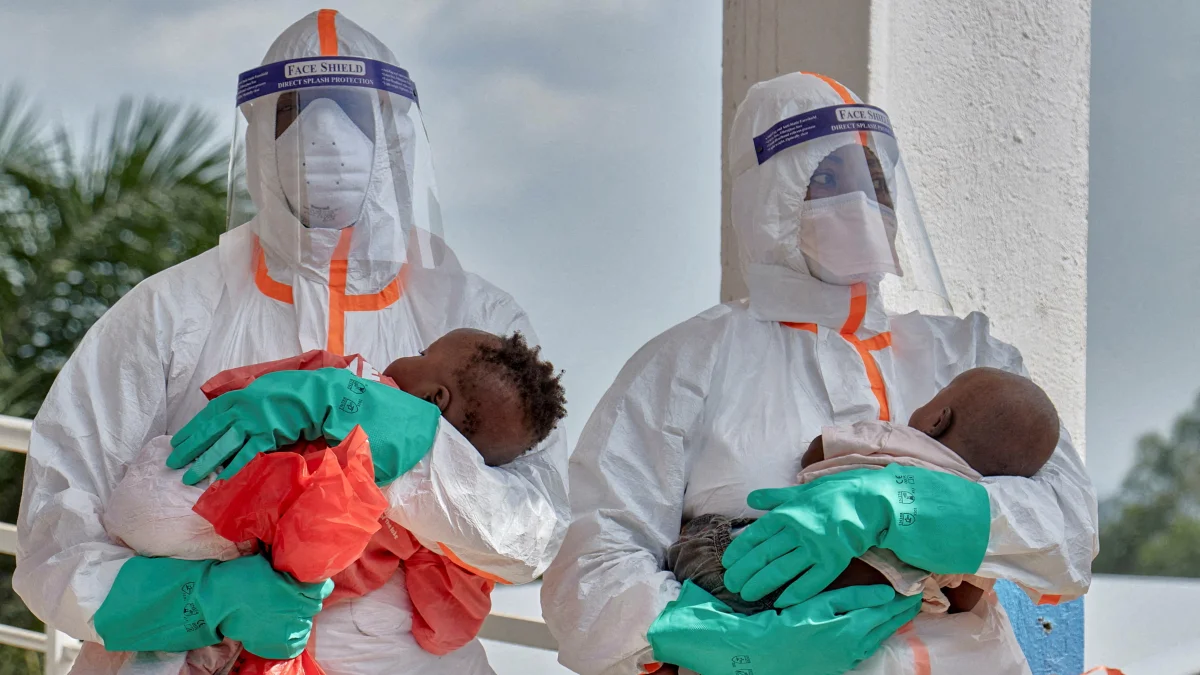
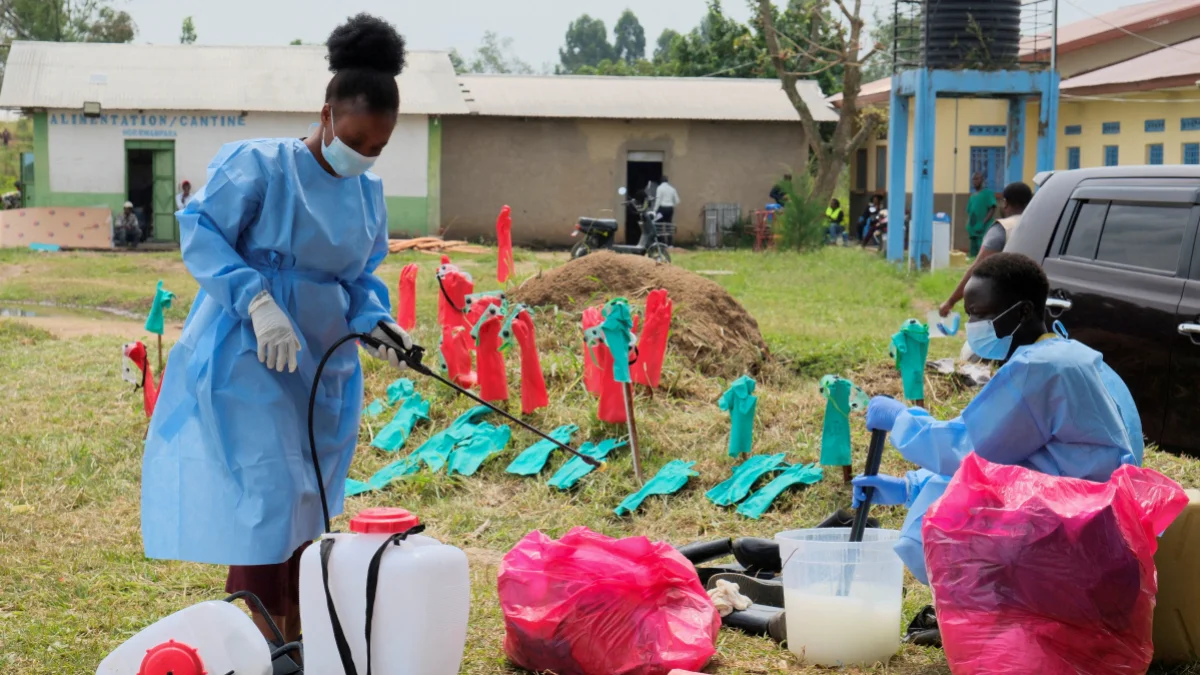
The Democratic Republic of the Congo (DRC) is facing a rapidly escalating Ebola epidemic, with the epidemiological situation deteriorating significantly.
According to the Operative Information Center-OMM, data from the DRC's Public Health Institute indicates that 101 new cases have been confirmed within the last 24 hours, bringing the total number of confirmed infections to 4,945.
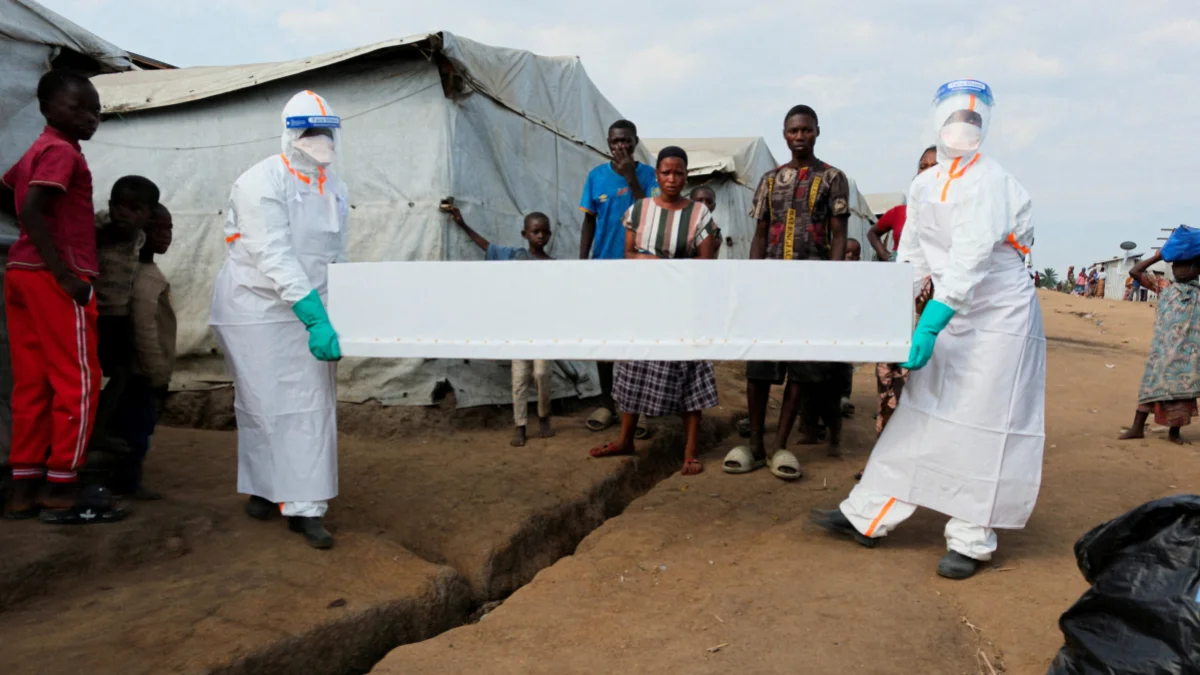
Health experts have characterized the current period as one of the fastest-spreading phases of the Ebola virus in the country's history. According to the United Nations, the epidemic is currently causing one death approximately every 30 minutes, with the virus having spread to six of the country's 26 provinces.
The Ituri province in the northeast, considered the primary source of the outbreak, remains the most severely affected region, with over 3,400 recorded cases. Authorities note that there is currently no approved vaccine or specific treatment for the rare "Bundibugyo" variant driving this particular outbreak.
The spread of the virus has also raised concerns in neighboring countries. Uganda has reported at least 20 cases, including in the capital, Kampala. In May, the World Health Organization (WHO) declared the situation in the DRC and Uganda a "public health emergency of international concern."
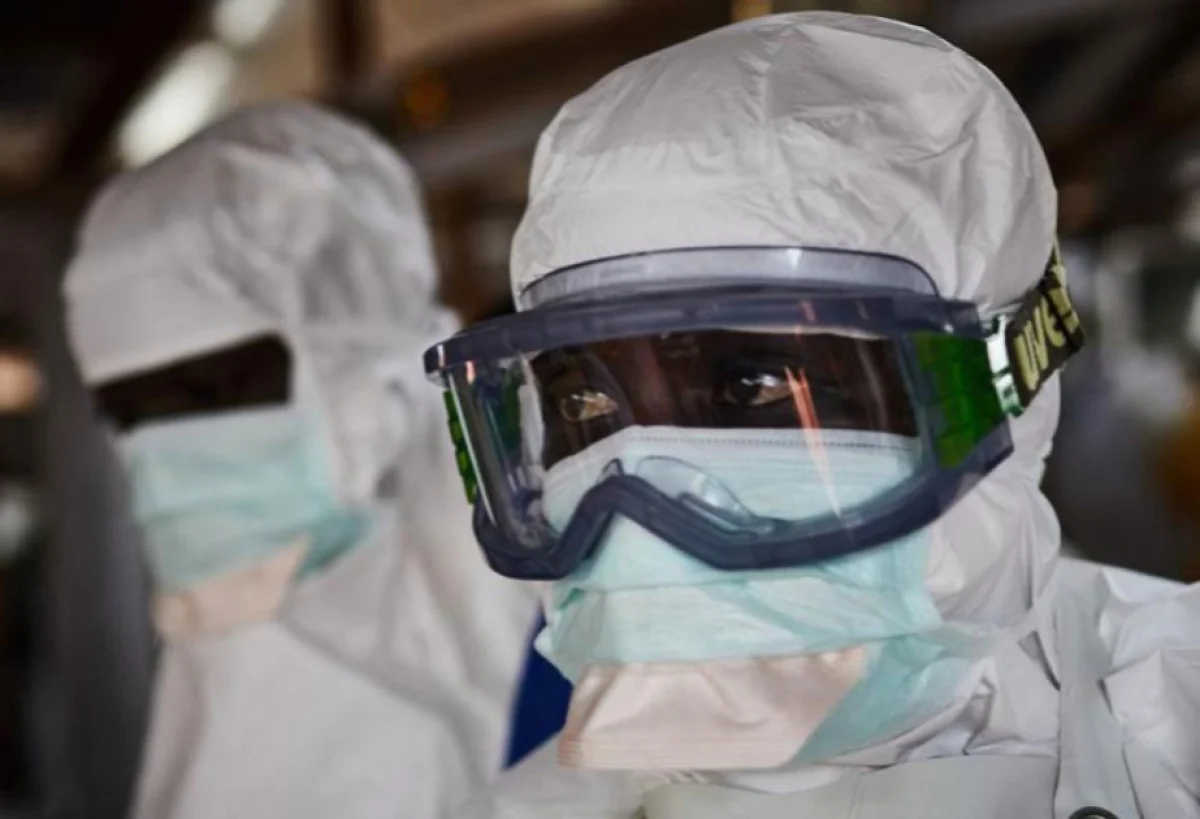
Ebola, which is believed to be transmitted from wild animals to humans, spreads through direct contact with blood, bodily fluids, or contaminated surfaces. The virus is notorious for its high mortality rate and the severe challenges it poses to public health infrastructure in affected regions, often overwhelming local medical facilities and requiring international intervention to contain.