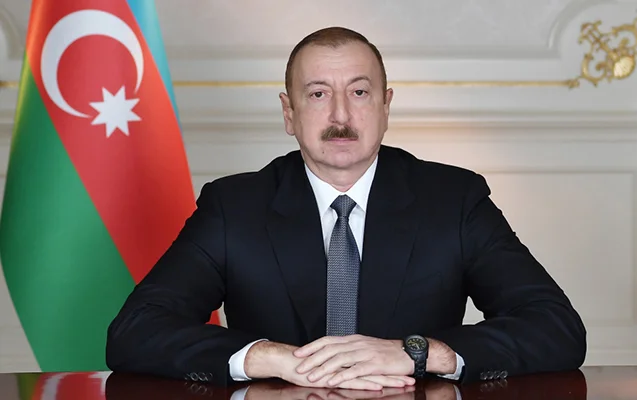
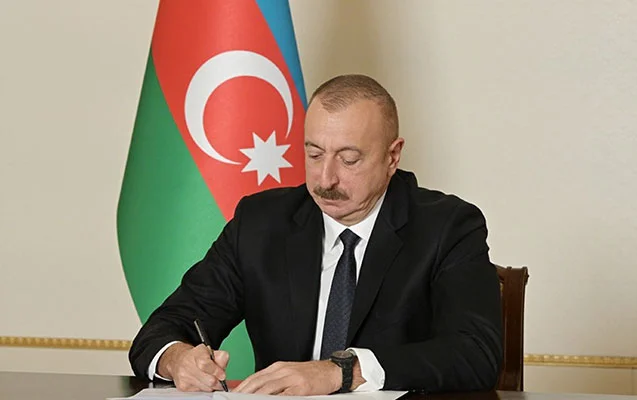
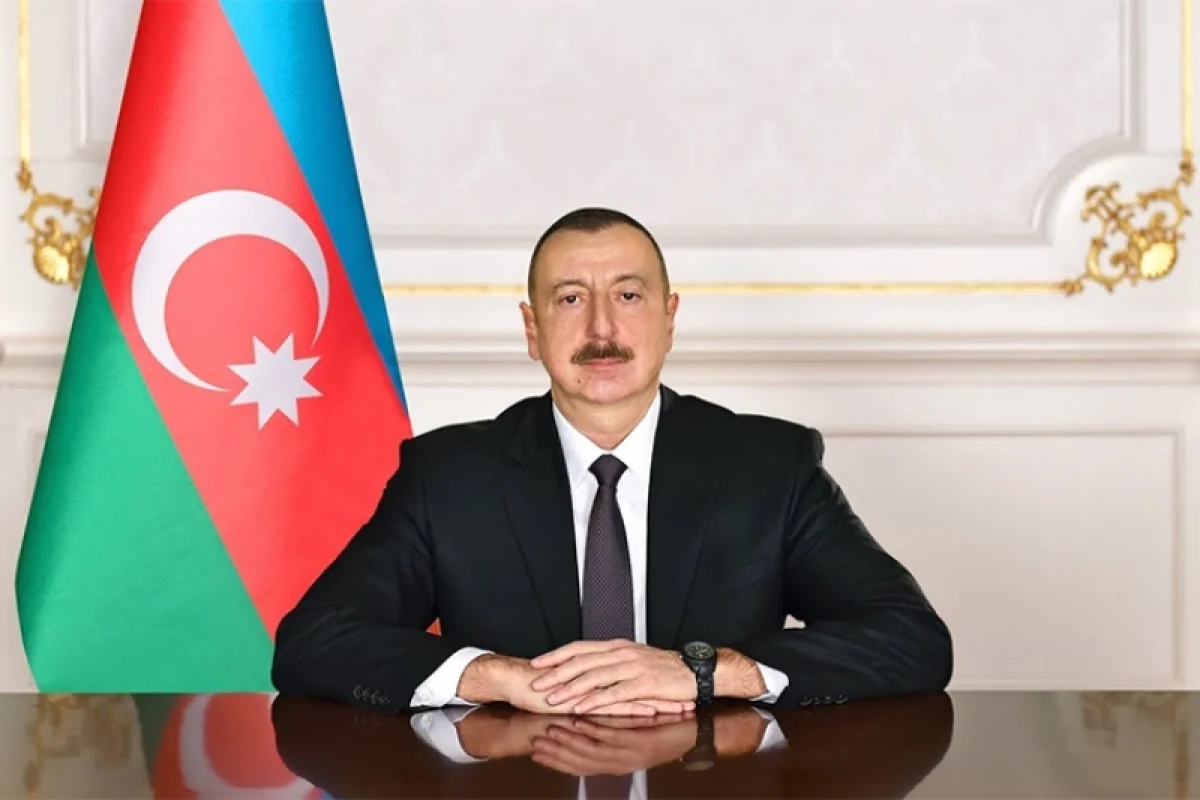
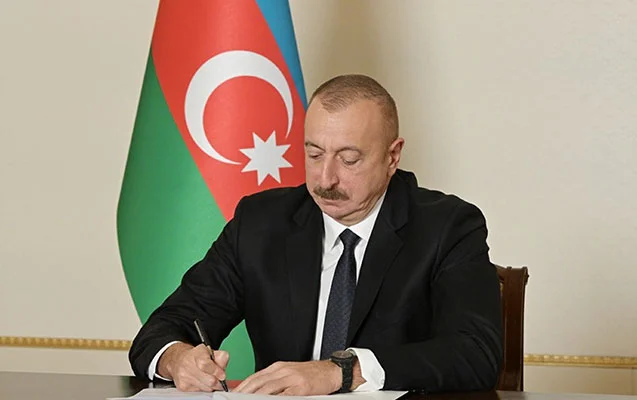
Azerbaijan is set to implement a series of comprehensive measures to ensure the strategic development of its mining and metallurgical industries. Operative Information Center-OMM reports that President Ilham Aliyev has signed a decree to accelerate the sector's growth and enhance its export potential.
The primary objective of the decree is to accelerate the development of the mining and metallurgical value chain—from raw material extraction to the manufacturing of final products. The initiative aims to ensure the efficient use of mineral resources, expand high-value-added metal processing, and significantly increase the export capacity of metallurgical products from Azerbaijan. Under the order, the Cabinet of Ministers has been tasked with preparing and submitting the draft "State Program for the Development of Mining and Metallurgy in the Republic of Azerbaijan for 2027-2030" within four months.
The new state program will integrate ongoing and planned private sector projects, establishing specific support mechanisms for industrial growth. A key focus of the initiative is the modernization of Azeraluminium LLC. The program mandates the completion of the electrolysis plant project to reach an annual production capacity of 100,000 tons by 2030, alongside increasing aluminum rolling production to 50,000 tons annually. Furthermore, the decree outlines the construction of calcination and anode baking plants in coordination with the Azerbaijan Investment Holding and relevant state bodies. To streamline operations, the assets of Azerbaijan Aluminum OJSC will be transferred to Azeraluminium LLC, and the former will be liquidated. The decree also provides for the cancellation of long-standing debts and tax liabilities to facilitate a fresh financial start for the sector.
This strategic move aligns with Azerbaijan's broader economic diversification policy, aimed at reducing dependence on the oil and gas sector. By strengthening the metallurgical industry, Baku seeks to leverage its rich mineral deposits and strategic location to become a regional industrial hub. The integration of the "raw material-processing-final product" chain is expected to create new jobs and stimulate technological innovation within the country's non-oil economy.