OMM Redaksiyası

General plans for 68 out of 79 cities in Azerbaijan have been updated as part of the country's modern urban planning policy, with the remaining 11 currently in the development stage.
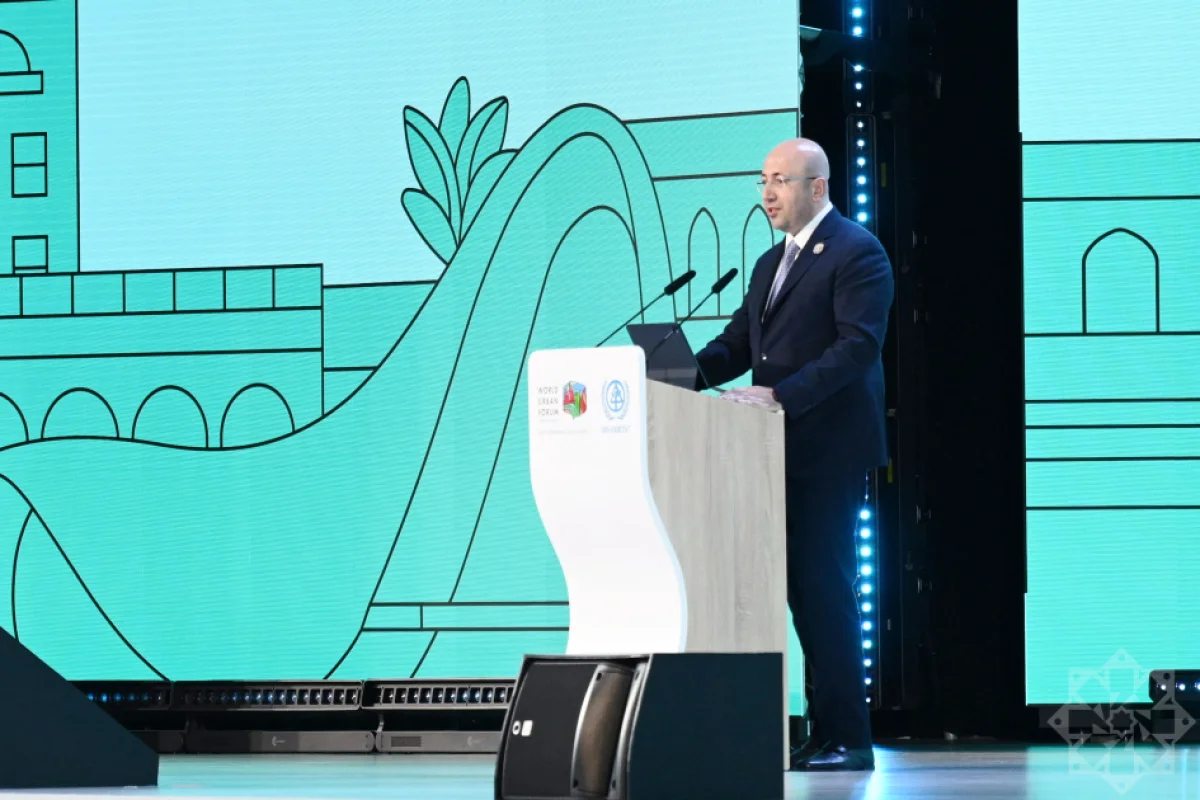
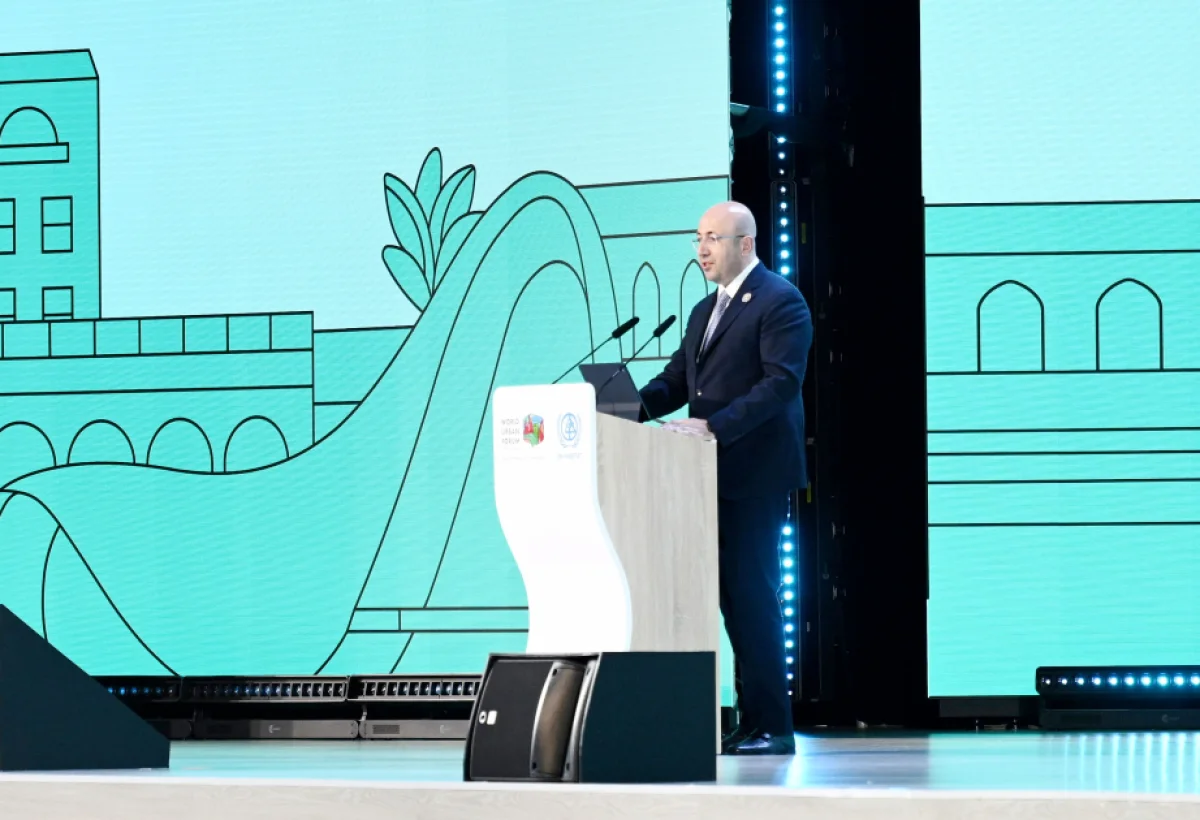
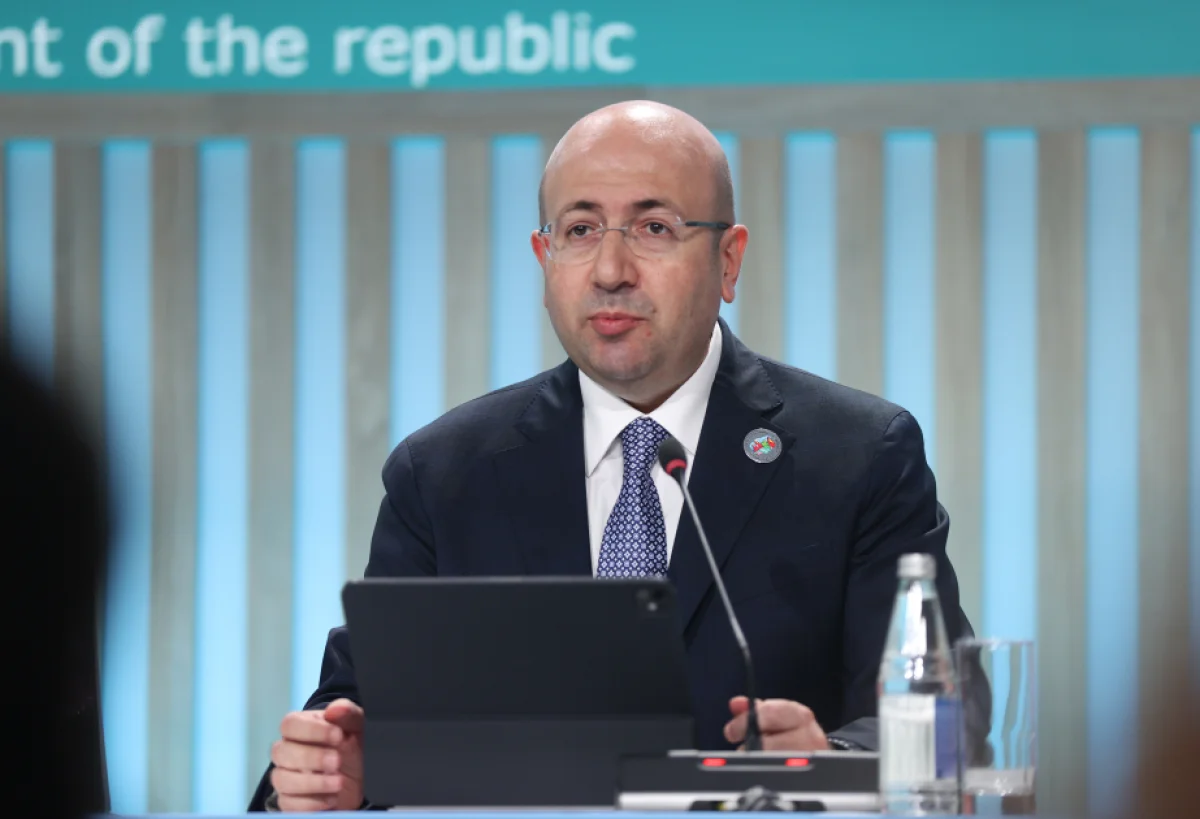
Operative Information Center-OMM reports that these remarks were made by Anar Guliyev, Chairman of the State Committee for City Planning and Architecture and national coordinator for WUF13, during a statement to journalists. He noted that the General Plan for Baku, which envisions the capital's development until 2040, stands as a leading example of modern urban approaches, incorporating compact growth, integrated public transport, urban regeneration, and the creation of high-quality public spaces.
Housing provision remains a core pillar of the national urban policy. Since its inception, the State Housing Development Agency has provided more than 12,000 families with housing. Guliyev further detailed that over the past five years, approximately $14.7 billion has been invested in infrastructure and housing projects in Garabagh and East Zangilan. Total investment in these regions is expected to reach $18 billion by 2028, utilizing "smart infrastructure," renewable energy, sustainable land use, and digital management systems.
According to the chairman, more than half of the liberated territories have been designated as green zones under new spatial planning documents. To ensure efficient restoration in Garabagh, specialized institutional management mechanisms, including the Special Representative offices of the President, have been established. Azerbaijan is also accelerating green energy initiatives, including a solar power plant project in Garabagh in partnership with Masdar and the Khizi-Absheron wind energy project. These initiatives are projected to increase the share of renewable energy in Azerbaijan from 13 percent to 38 percent.
The large-scale reconstruction of Garabagh, often referred to as the "Great Return," is a central priority for the Republic of Azerbaijan. By integrating climate-sensitive planning and digital transformation, the country aims to set a global benchmark for post-conflict sustainable development. The World Urban Forum (WUF), for which Guliyev serves as national coordinator, is the world's premier conference on municipal issues, highlighting Azerbaijan's active role in global dialogues regarding inclusive and resilient urban growth.