Salaries for medical personnel operating within the system of the State Agency for Mandatory Health Insurance (TABIB) are set to increase, according to an official announcement.
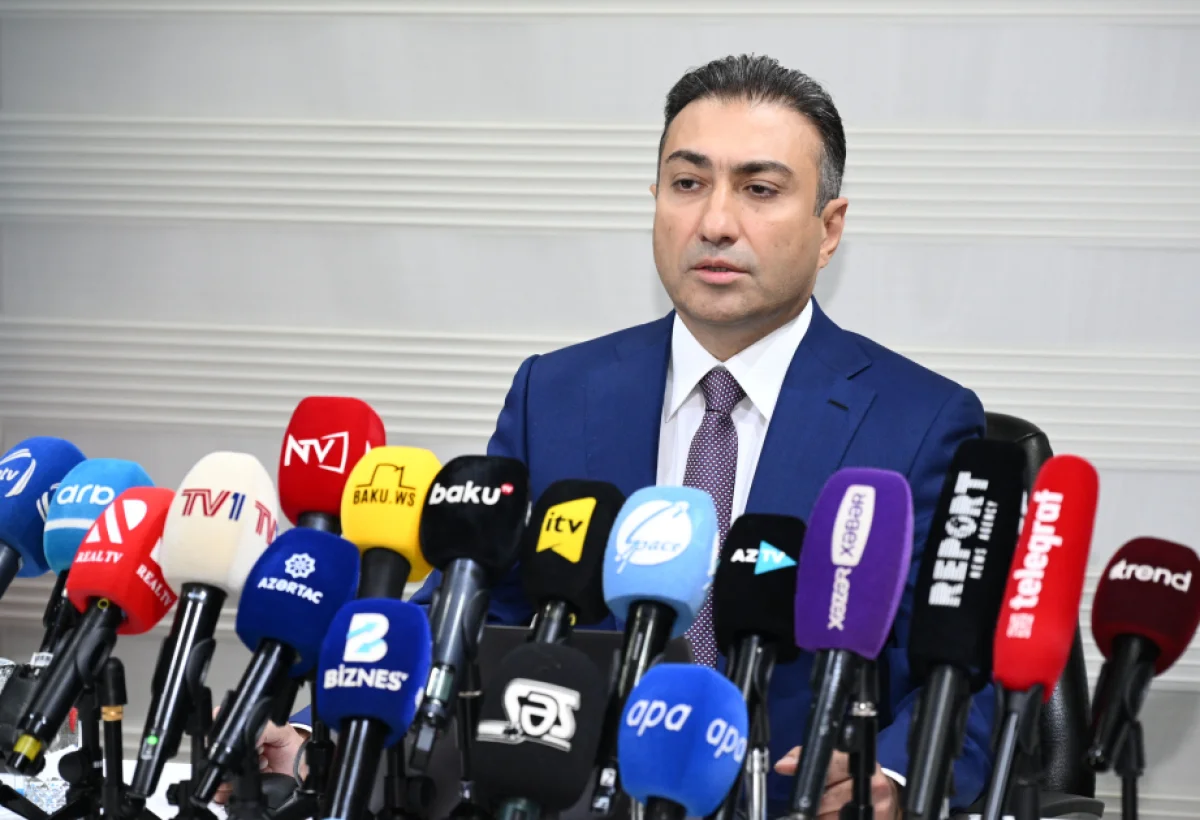
“Operative Information Center-OMM” reports that Anar Bayramov, Executive Director of TABIB, announced the upcoming wage reforms during a press conference.
According to Bayramov, the new regulations, aligned with broader salary reforms, will take effect on September 1, 2026. The initiative is set to impact 72,212 medical professionals working in TABIB-affiliated healthcare facilities.
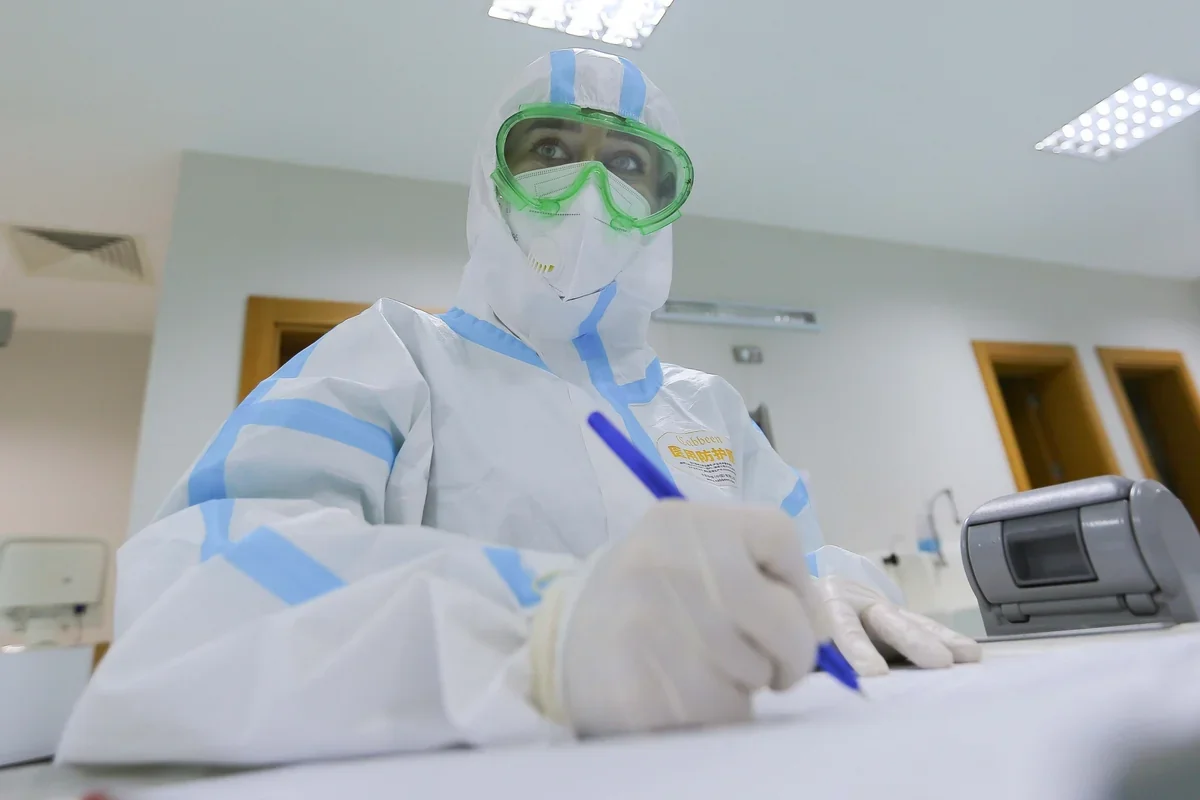
"Of these, 36,041 are mid-level medical staff, 20,367 are junior medical staff, 8,675 are physicians providing outpatient care, and 7,129 are doctors specializing in primary healthcare, emergency medical services, anesthesiology-reanimatology, as well as those working in specialized fields where regional staff shortages are observed," Bayramov stated.
The reform will result in an annual salary fund increase of 189 million manats, representing a 13.66 percent rise across the TABIB system. Salary adjustments will be differentiated based on position, specialty, workload, performance indicators, and regional staffing requirements.
Bayramov highlighted specific increases for critical roles in the regions: monthly salaries for pediatric anesthesiologist-reanimatologists will rise from 1,450 to 3,000 manats, a 107 percent increase. Neonatologists will see their salaries increase from 1,450 to 2,400 manats, while hemodialysis physicians will see an increase from 1,450 to 2,250 manats. Furthermore, doctors in regions facing shortages—specifically in obstetrics-gynecology, neurosurgery, pediatric surgery, cardiovascular surgery, maxillofacial surgery, and traumatology—will receive a salary increase to 2,150 manats.
The TABIB head also noted that 36,041 mid-level medical workers will receive a 17 percent salary increase, while 20,367 junior medical staff will see an 18 percent rise. The reform also accounts for the responsibilities of head nurses, with differentiated increases applied based on the category of the medical institution. For instance, a head nurse in a 3B-category facility will see their salary rise from 1,454 to 2,125 manats.
Bayramov emphasized that the primary objectives of this reform are to strengthen the social welfare of medical workers, enhance the attractiveness of the profession, stimulate the recruitment of doctors to the regions, and ultimately improve patient satisfaction through higher quality medical services.
This initiative is part of the ongoing efforts by the Republic of Azerbaijan to modernize its healthcare infrastructure and ensure equitable access to quality medical care across all regions of the country.