 OMM Redaksiyası

Reports of violence against women and girls in the Gaza Strip have risen sharply, including cases of early and forced marriage, according to recent reports by the UN Population Fund (UNFPA) cited by the BBC.
One analysis, based on data from 10 organisations, said the prolonged crisis had created conditions in which women and girls faced escalating risks of gender-based violence. It recorded a 123% increase in reported cases of early and forced marriage in the second quarter of the year compared with the previous quarter.
Early and forced marriage increases
UN agencies classify marriages involving girls under 18 as early marriage. The UNFPA said the documented cases included girls aged between 12 and 17, although it cautioned that collecting comprehensive data remained difficult.
Testimonies from 230 women interviewed in crowded displacement camps in Gaza City and Khan Younis described rape, sexual harassment, forced marriage and other forms of abuse. Some women said rape survivors were married to their attackers to avoid social stigma.
One testimony described a 14-year-old girl being married in exchange for two bags of flour during a period of famine. Six women in different displacement camps reported similar exchanges, which they said would have been unthinkable before the war between Israel and Hamas began in 2023.
“The trends are shocking,” said Nestor Owomuhangi, the UNFPA representative to Palestine. He said years of mass displacement, destruction and widespread loss of life had weakened social structures and left people without functioning systems of protection.
Displacement leaves women and girls vulnerable
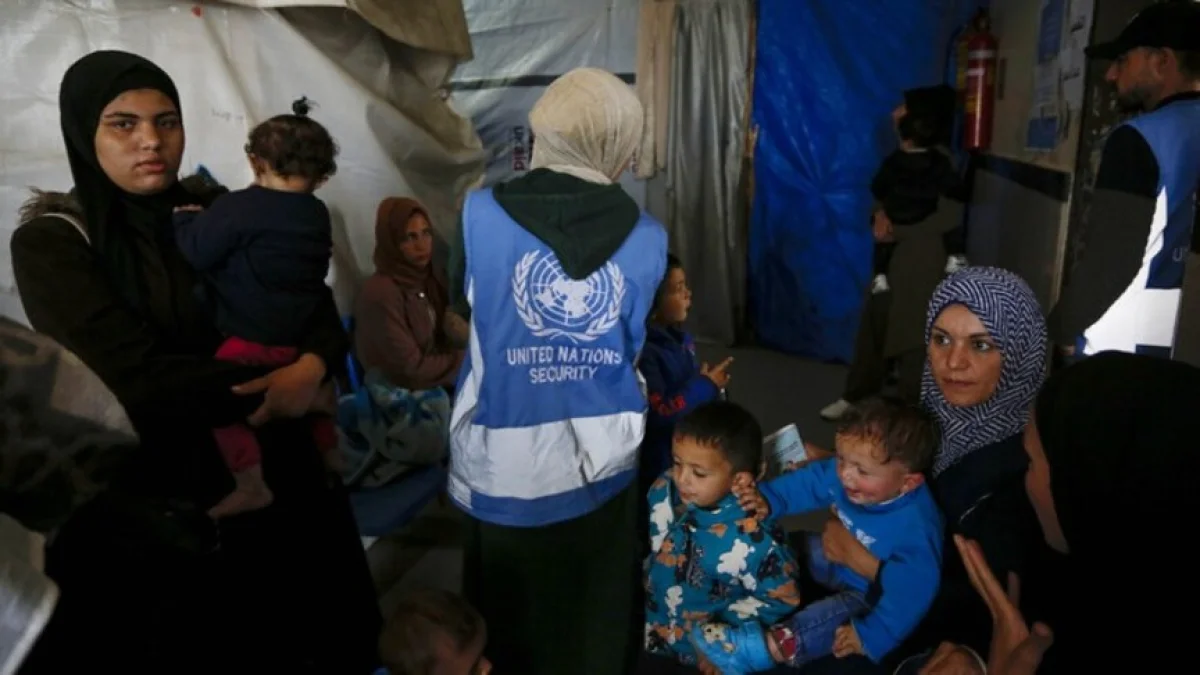
Nearly the entire population of more than two million people in Gaza has been displaced, with many living in tents or damaged buildings. Public services have largely collapsed, while poverty and hunger remain widespread despite the reopening of some food markets.
Prolonged school closures have also disrupted children’s education. Aid groups say girls face heightened safety concerns in overcrowded shelters, where families often lack privacy and access to secure toilets, lighting and sanitation.
The UNFPA report said girls orphaned during the war were especially vulnerable. Women interviewed by the agency described relatives marrying off girls as young as 14 and 15 after their parents were killed, partly to reduce the financial and social responsibility of caring for them.
Support organisations have documented cases in which girls married in their early teens suffered abuse and became pregnant. They say adolescent mothers face higher risks of miscarriage and having underweight babies, particularly when they are malnourished and lack medical care.
“We see adolescent pregnancies going through the roof because of child marriage,” Owomuhangi said, warning that pregnancy can have severe consequences when a child’s body is not fully developed and she lacks adequate food, hygiene and support.
Sexual violence remains under-reported
The UNFPA-led task force said incidents of sexual violence, including rape and sexual assault, had become critical in Gaza. Such cases accounted for 2.7% of reported gender-based violence incidents between April and June 2026, up from 2.1% in the previous quarter. The absolute number of cases increased by 61%.
Agencies said the rise partly reflected greater awareness and improved confidential reporting mechanisms. However, sexual violence remained significantly under-reported because of fear of stigma and retaliation.
Women whose husbands are missing or detained, as well as widows, face increased risks of abuse and exploitation. Nearly one in four households is now reportedly headed by a woman, twice the proportion recorded before the war.
Humanitarian organisations have called for better-quality shelters, improved sanitation facilities and additional lighting. They say improving living conditions could significantly reduce risks faced by women and girls, while longer-term programmes are needed to address domestic violence and child marriage.