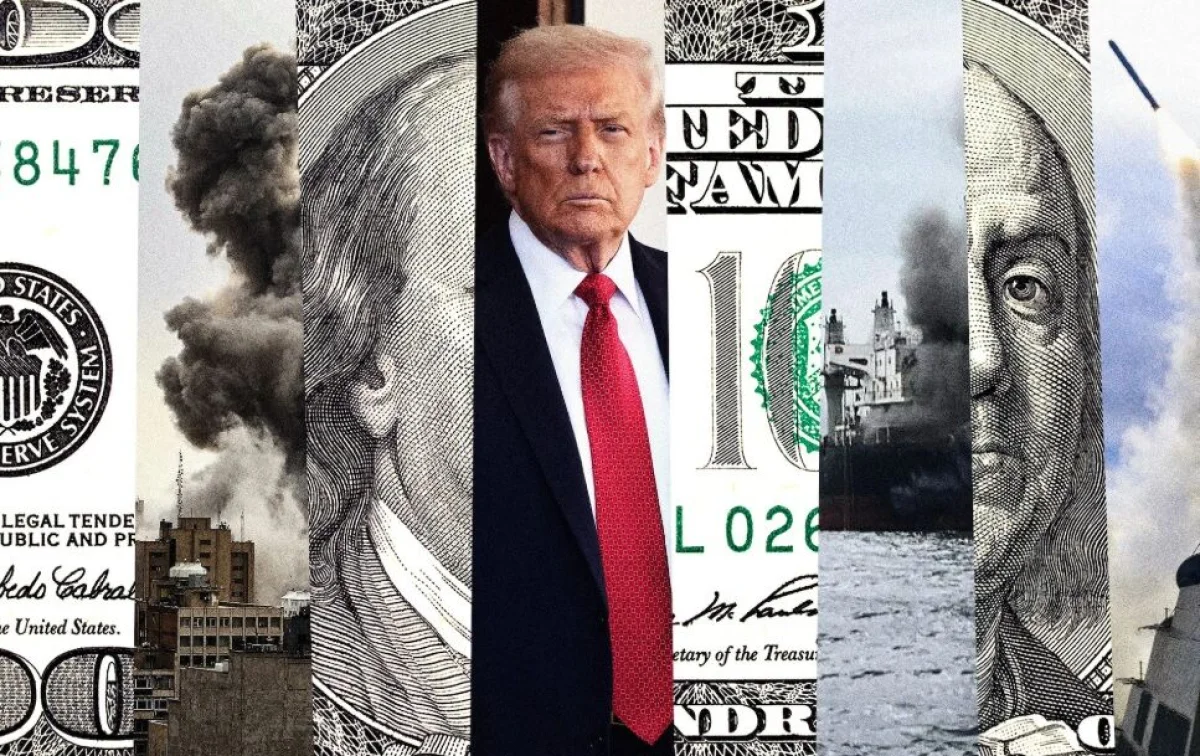
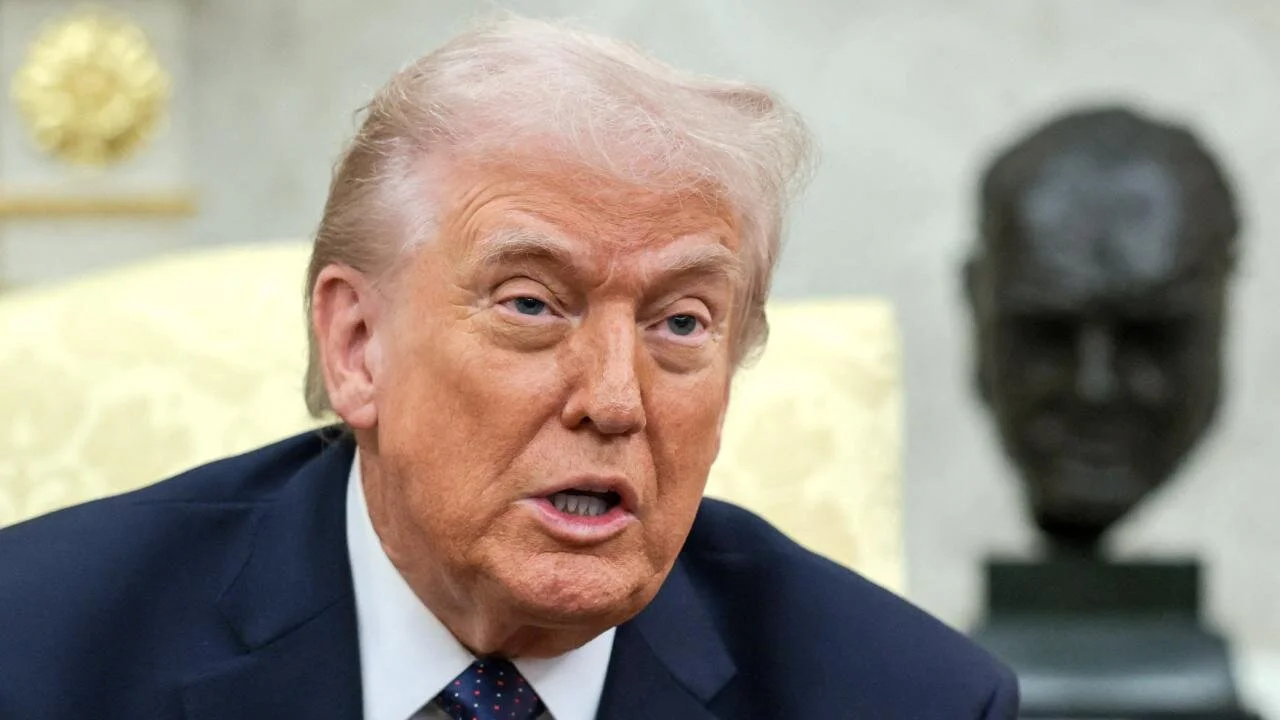
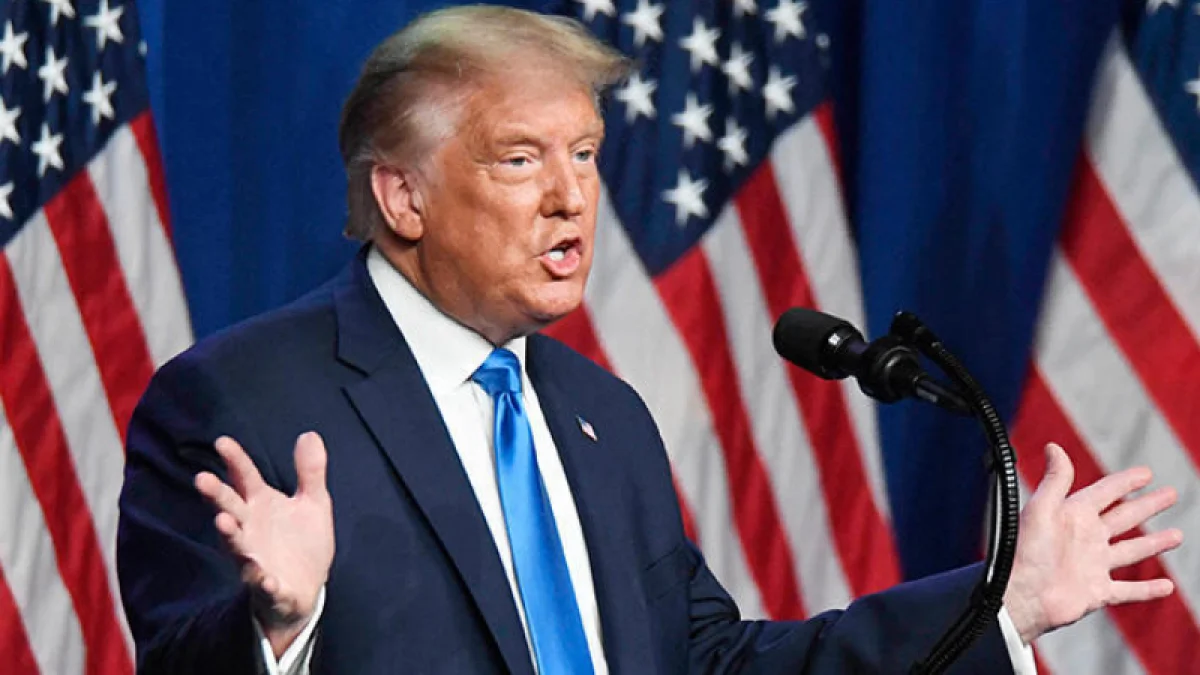
US President Donald Trump announced on January 29 that he is planning to hold negotiations with Iran, emphasizing a dual approach of diplomacy and military readiness.
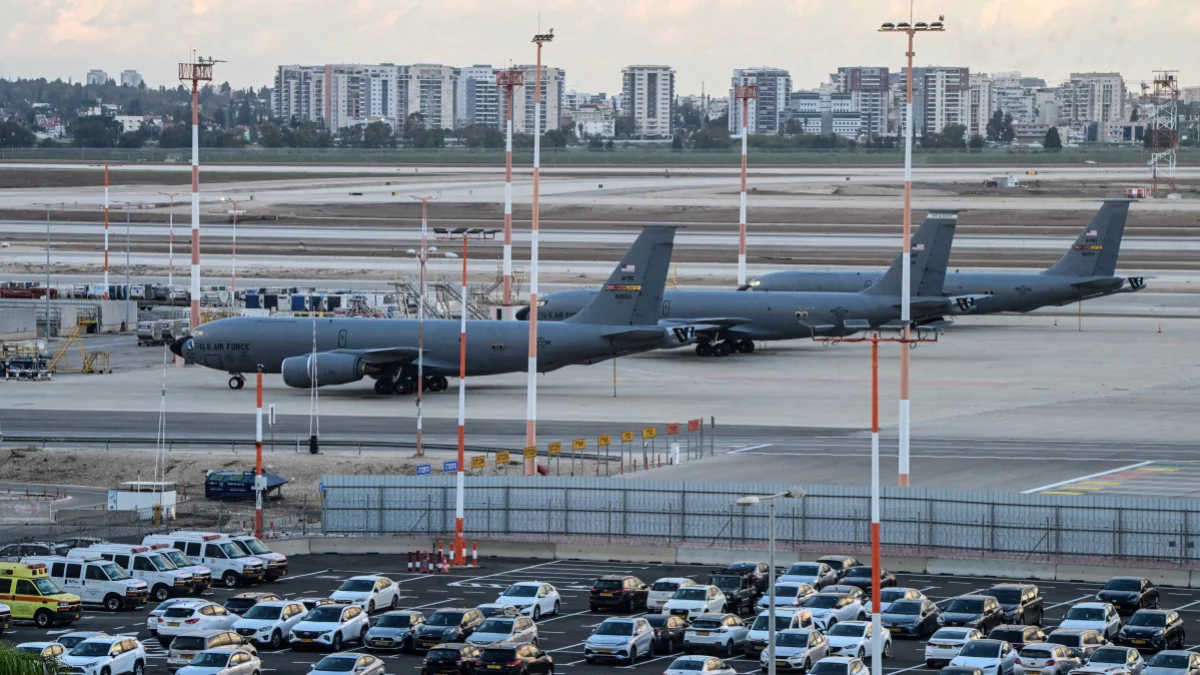
Operative Information Center-OMM, citing foreign media, reports that Washington has deployed additional warships to the Middle East, underscoring the military's preparedness for any potential operations in the region.
While US President Donald Trump did not provide specific details regarding the timing or the exact nature of the proposed dialogue, he confirmed the possibility of discussions with Tehran. Addressing reporters, the President highlighted the scale of the US military presence as a deterrent.
"We have very large and powerful ships sailing toward Iran right now. It would be great if we didn't have to use them," US President Donald Trump stated.
According to US officials, the administration is currently considering various strategic options, though a final decision regarding military strikes against Iran has not been made. The Pentagon remains in a state of high readiness to execute any directives from the Commander-in-Chief.
Regional tensions have escalated in recent weeks following the violent suppression of protests within Iran. The Trump administration has repeatedly warned that military intervention remains a viable option should Tehran move to resume its nuclear weapons program. During a cabinet meeting, Defense Secretary Pete Hegseth affirmed that Iran must not be allowed to achieve nuclear capabilities, stating that the Pentagon is prepared to fulfill any presidential order.
Conversely, Iranian Foreign Minister Abbas Araghchi denied any direct contact with US Special Envoy Steve Witkoff, noting that Tehran has not requested negotiations. Araghchi emphasized that while various mediators have engaged in consultations, Iran's stance remains firm: "Negotiations cannot be conducted under threats and excessive demands."
Meanwhile, Iranian President Masoud Pezeshkian, in a conversation with Saudi Crown Prince Mohammed bin Salman, expressed that Tehran welcomes any process within the framework of international law that prevents war and promotes regional stability.
The relationship between Washington and Tehran has historically been defined by periods of intense diplomatic friction and economic sanctions. Since the US withdrawal from the Joint Comprehensive Plan of Action (JCPOA) and the subsequent implementation of the "maximum pressure" campaign, the geopolitical landscape in the Middle East has remained volatile, with Azerbaijan and other regional neighbors closely monitoring the security implications of this ongoing standoff.