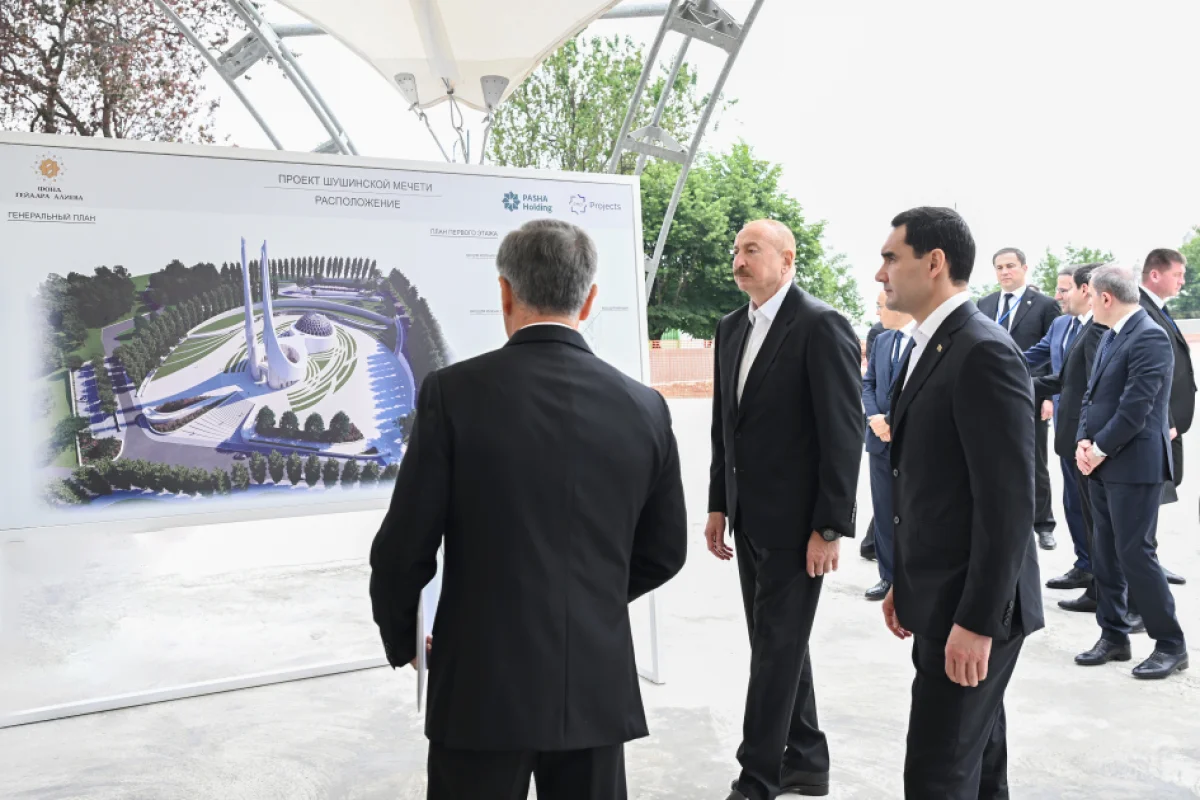
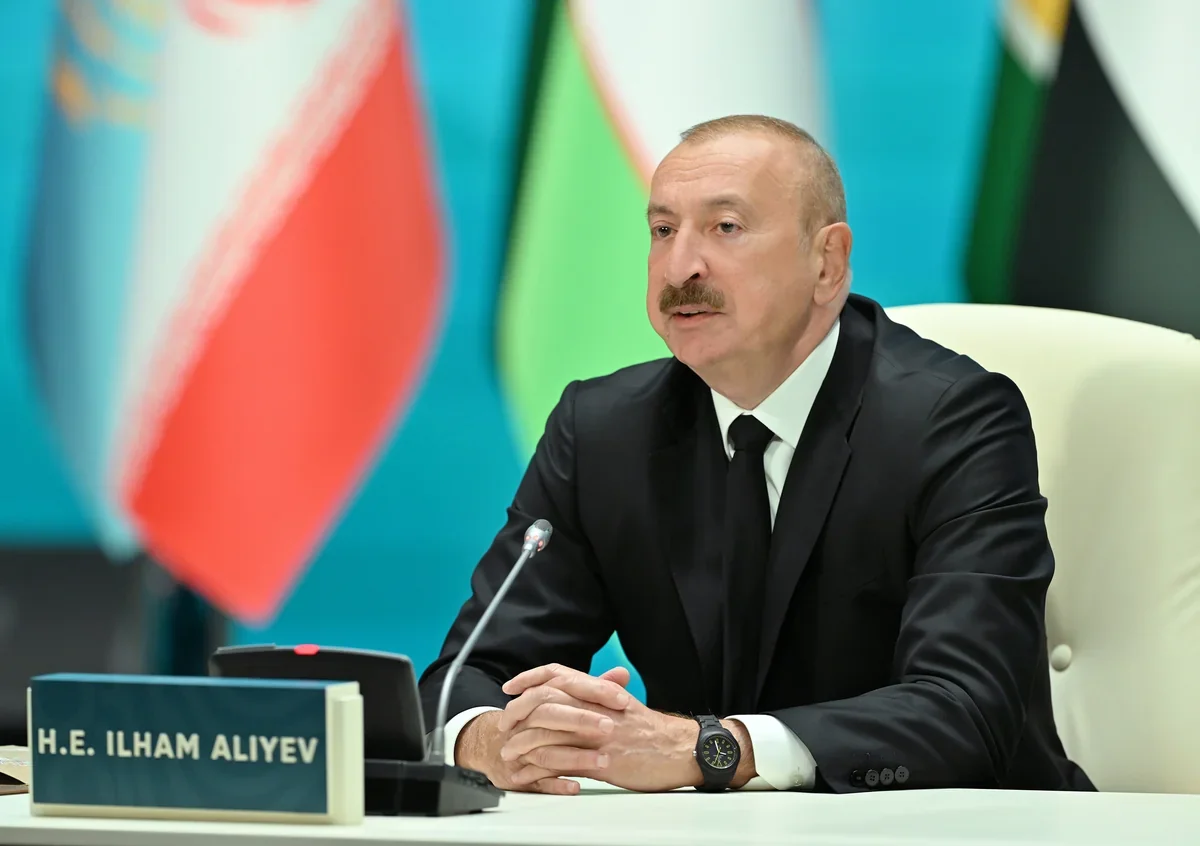
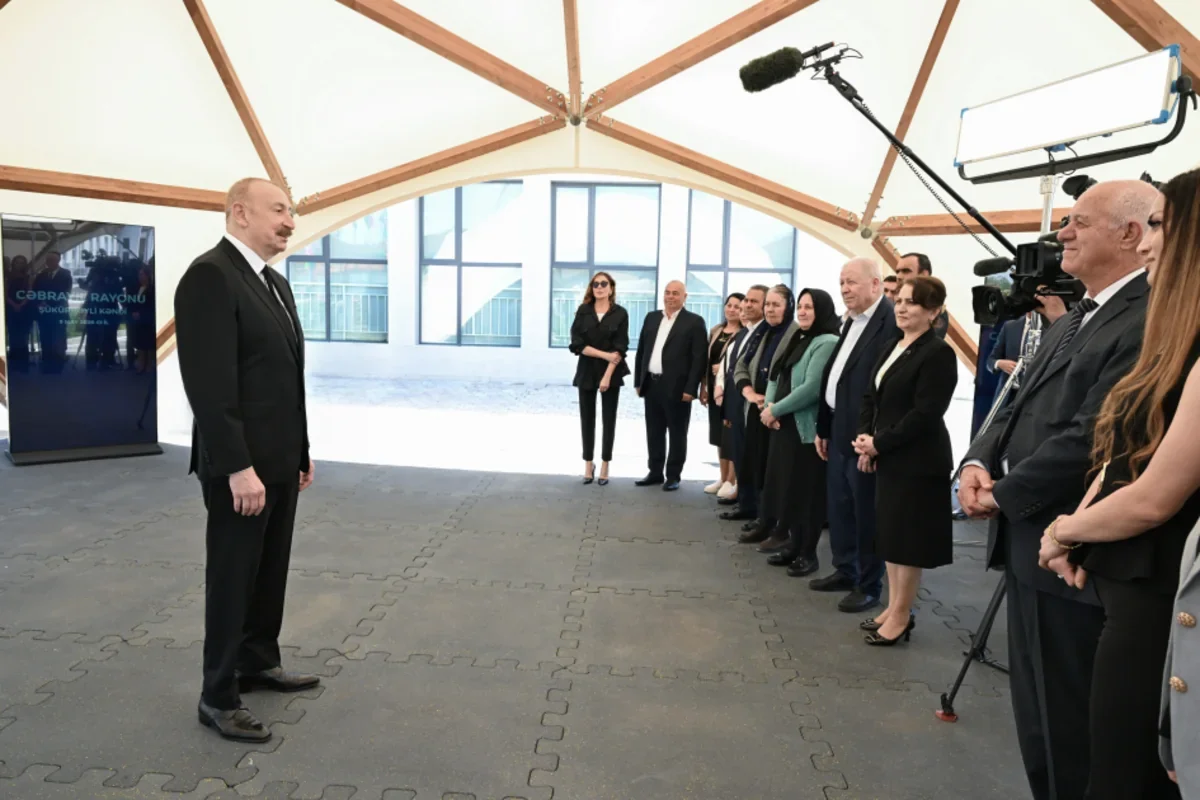
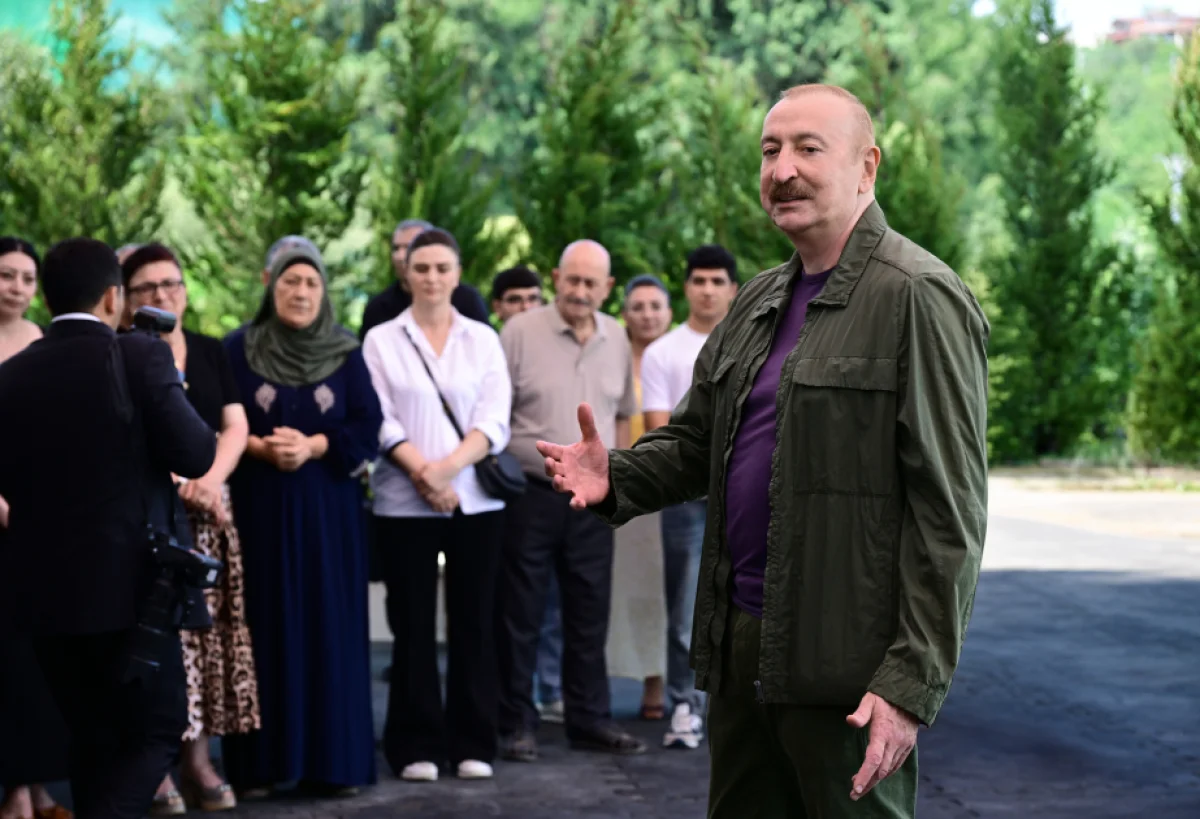
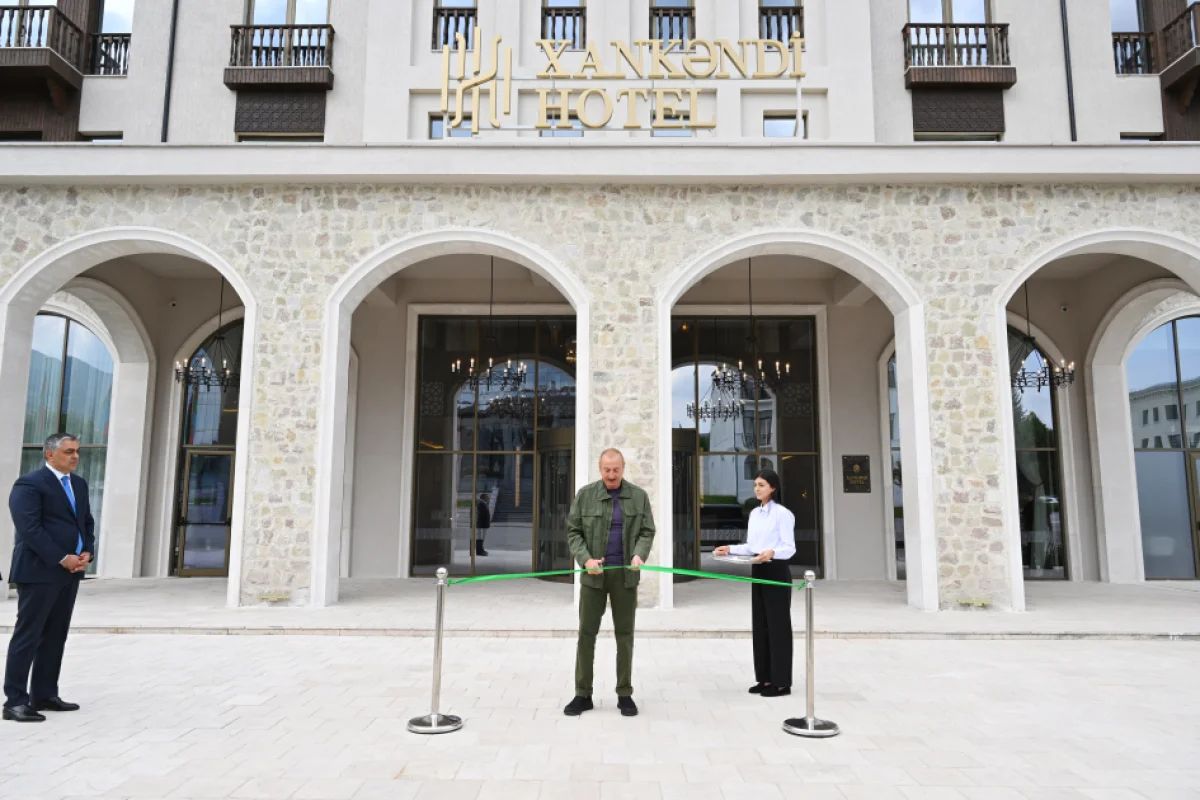
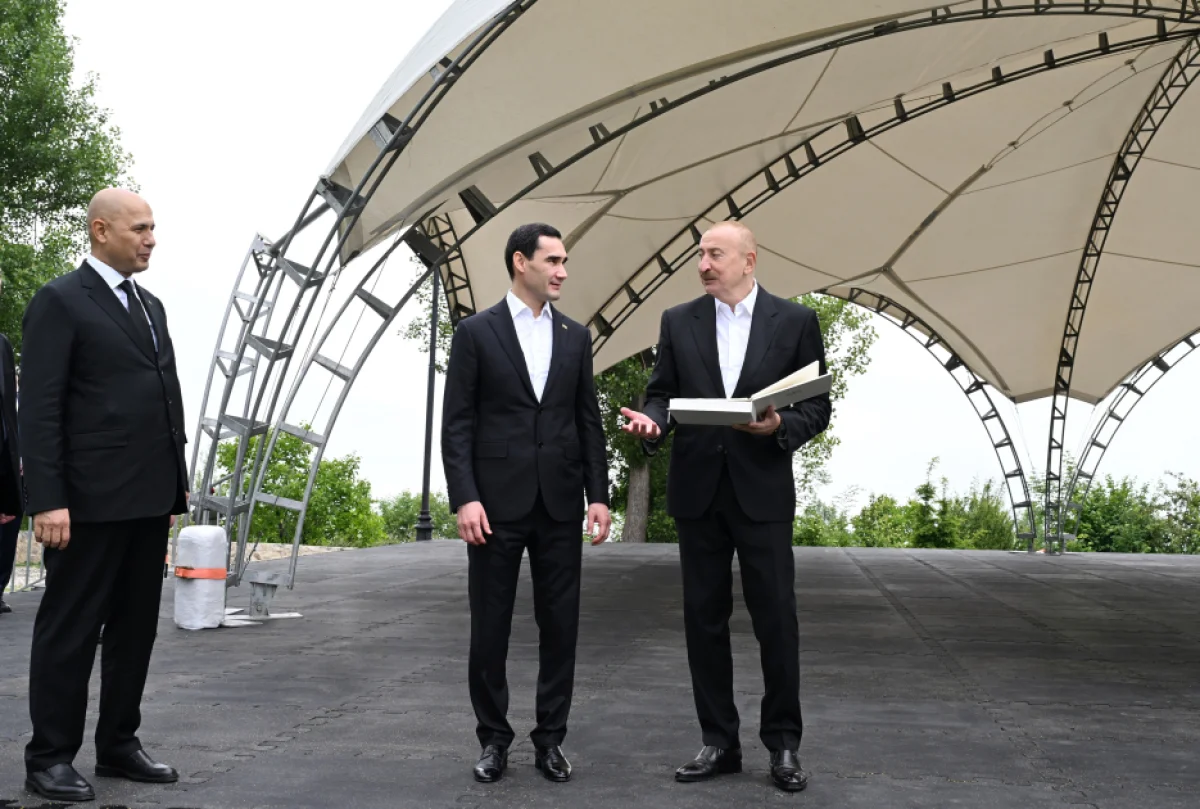
President Ilham Aliyev attended the inauguration of the 330 kV "Shafag" substation in Soltanli village of the Jabrayil district on May 9. The facility, operated by AzerEnerji OJSC, marks a significant milestone in the integration of renewable energy into the national power system.
Operative Information Center-OMM reports that Balababa Rzayev, Chairman of AzerEnerji OJSC, briefed the head of state on the technical specifications and the work completed. It was noted that extensive measures have been implemented by the state to integrate the 240 MW "Shafag" Solar Power Plant into the energy system. Built by bp in Jabrayil, this plant represents the first industrial-scale solar project in the liberated territories and the largest foreign direct investment project in the sector.
As part of the infrastructure development, AzerEnerji constructed the 330 kV digital substation and installed a 7.5-kilometer double-circuit high-voltage transmission line to connect it to the "Jabrayil" Energy Hub. This infrastructure serves as a strategic bridge for the movement of green energy across Azerbaijan. The substation is equipped with modern digital systems, including a micro-SCADA dispatch system for remote management, fully integrated into the central SCADA system.
In accordance with the "Great Return" strategy, the workforce for the substation was primarily recruited from the local population resettled in the region. The project aims to strengthen public-private partnerships, reduce carbon emissions, save natural gas, and further bolster the energy security of Azerbaijan. A parallel project has also been completed to supply the Sangachal Terminal with green energy through a new 220 kV substation. This will allow the terminal to decommission its gas-powered modular station, saving 120-150 million cubic meters of natural gas annually and reducing CO2 emissions by up to 330,000 tons.
The development of renewable energy is a core component of Azerbaijan's national strategy to become a green energy hub. Recent data indicates that the modernization of the energy system on a digital basis is yielding concrete results. During peak periods in April and May, green energy accounted for 36-41% of total domestic electricity consumption. For instance, on April 20, renewable sources contributed 36.5% of the 64.4 million kWh produced nationwide, with significant contributions from both hydroelectric and solar-wind facilities.