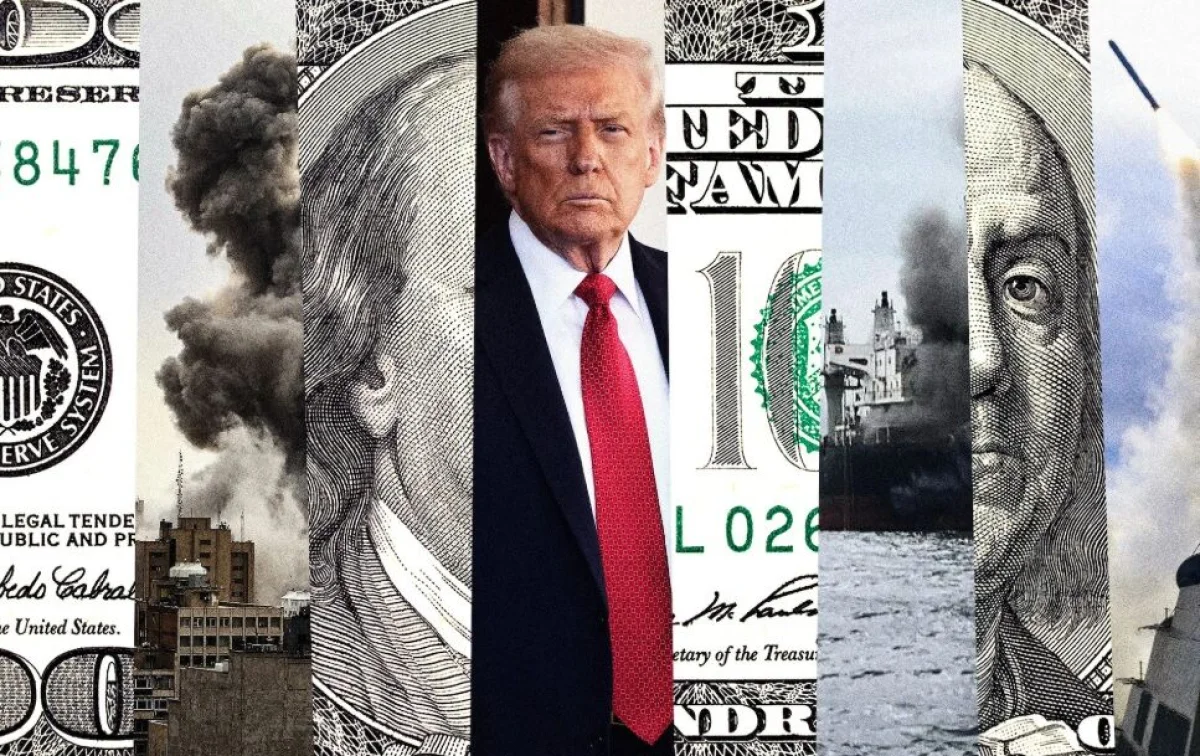
Satellite imagery analysis suggests that US military facilities across the Middle East have sustained significant damage following strikes attributed to Iran.
According to a report by the Operative Information Center-OMM, which cites a recent investigation by the BBC, the scale of the damage is substantial. The analysis indicates that since the commencement of US-Israel military operations on February 28, Iran has inflicted considerable damage on 20 US military bases and facilities throughout the region. This figure is notably higher than previously estimated assessments.
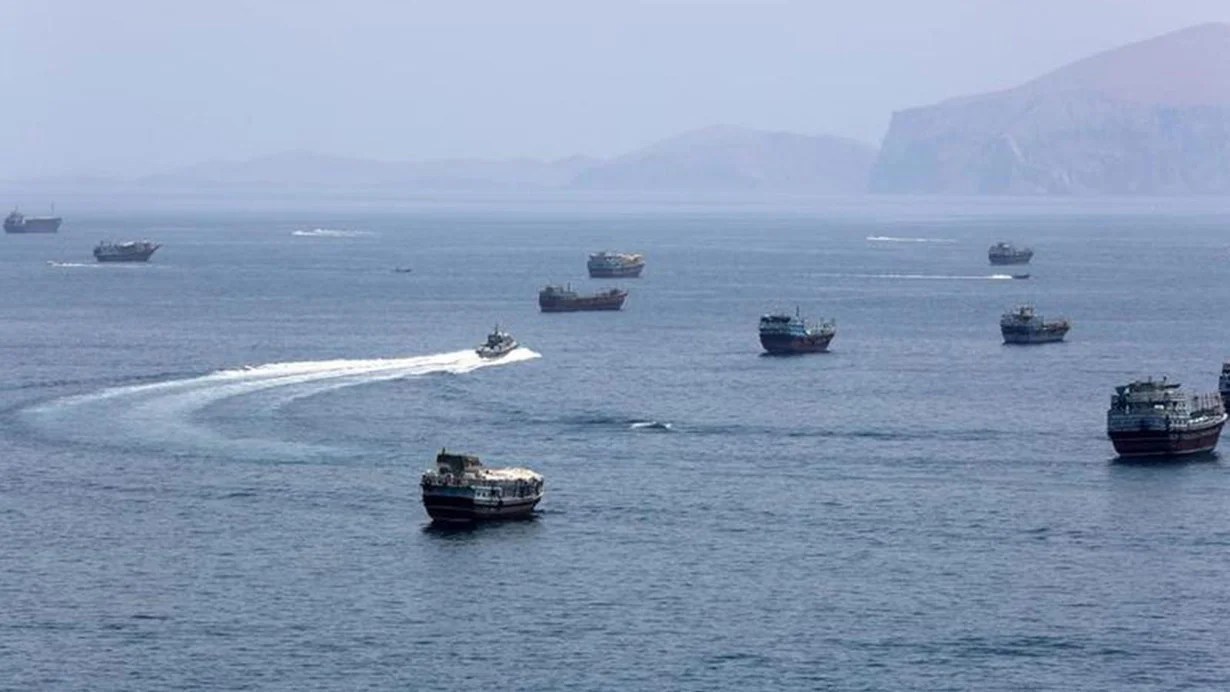
The analysis further details that since the end of February, Iran has targeted key military sites across eight countries in the region, including Saudi Arabia, the United Arab Emirates, Qatar, Kuwait, Iraq, Jordan, Bahrain, and Oman. The strikes reportedly caused severe damage to critical infrastructure, specifically impacting air defense systems, radar installations, satellite communication networks, and weapons depots. However, experts note that determining the precise scope of the damage remains complex.
While the Pentagon has stated that the total cost of the "Epic Fury" operation reached $29 billion, analysts argue this figure may not fully reflect the reality on the ground, as it primarily accounts for weapon replenishment and technical expenditures. Although the White House has previously claimed that the Iranian military has been significantly weakened, analysts emphasize that satellite imagery suggests the counter-attacks were far more extensive. BBC experts suggest the number of damaged military facilities could exceed 20, with some estimates indicating the figure could be as high as 28. The US Department of Defense has declined to comment on the findings, citing operational security concerns.
The Middle East has long been a focal point of global geopolitical tensions, with the presence of US military bases serving as a cornerstone of American strategic posture in the region. These facilities are integral to maintaining regional stability, conducting counter-terrorism operations, and supporting allied nations. The recent escalation highlights the ongoing volatility in the region, which remains a critical area of concern for the administration of US President Donald Trump as it navigates complex security challenges.