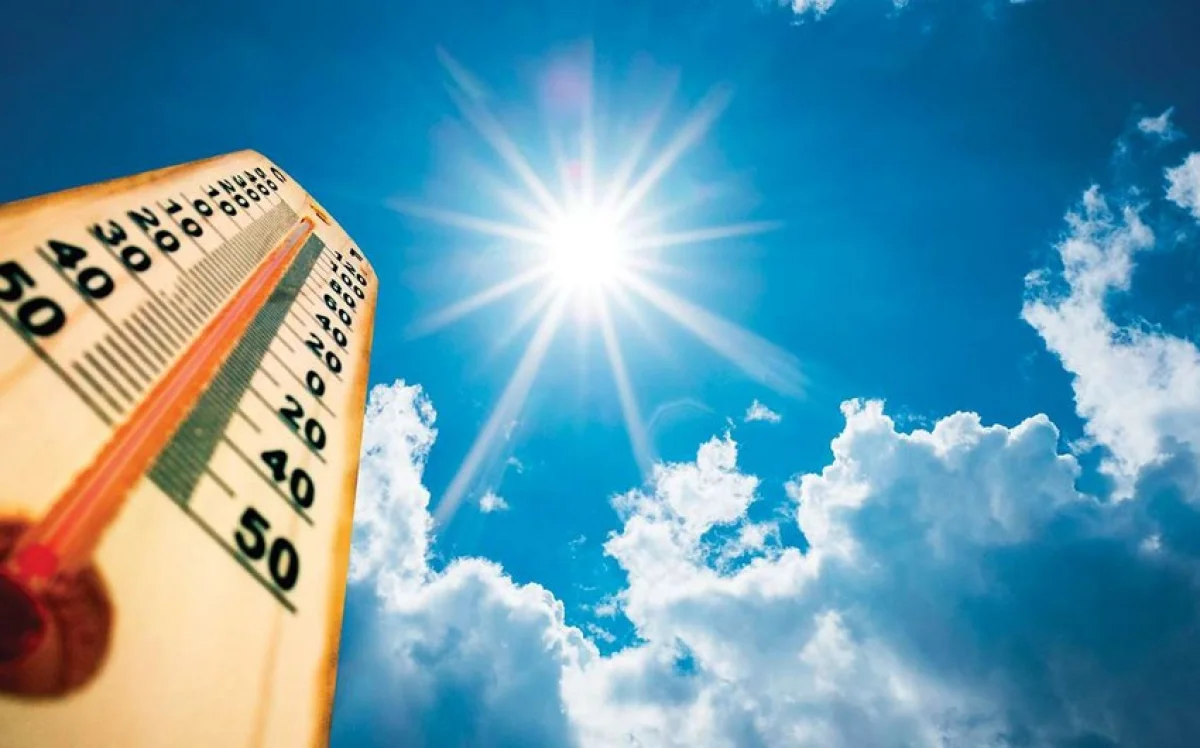
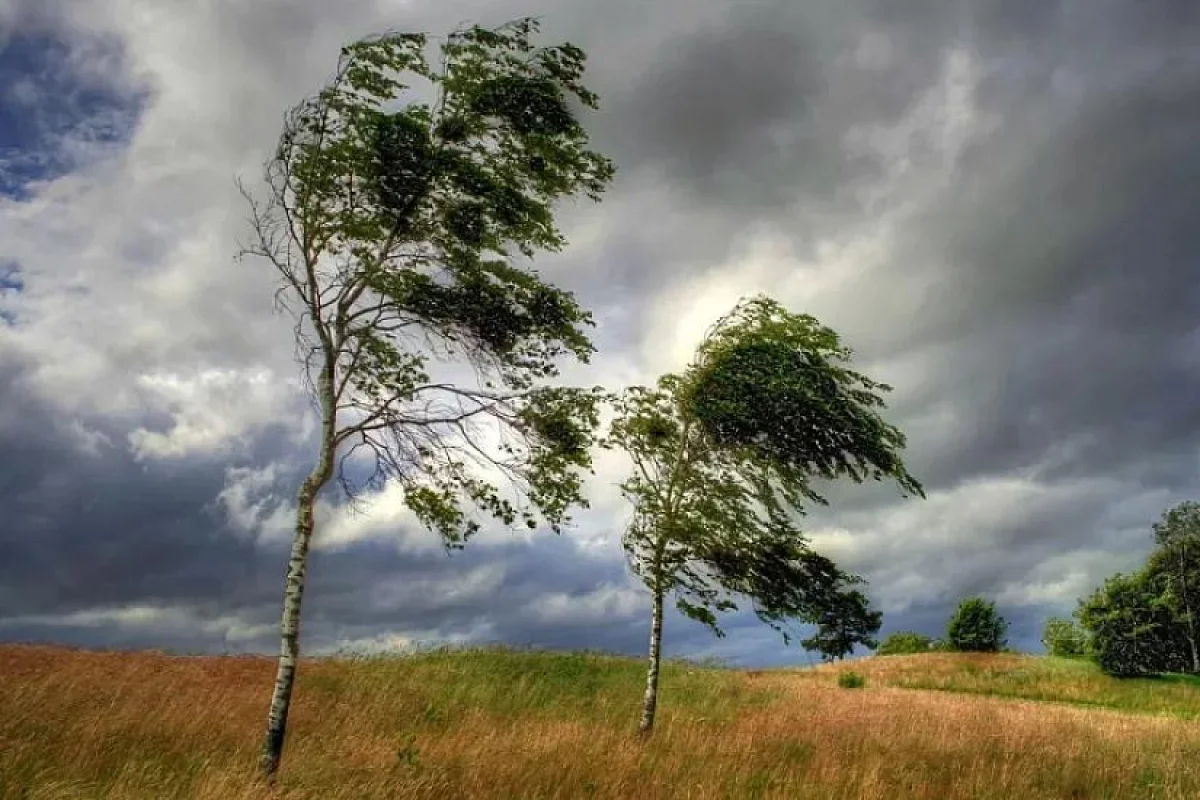
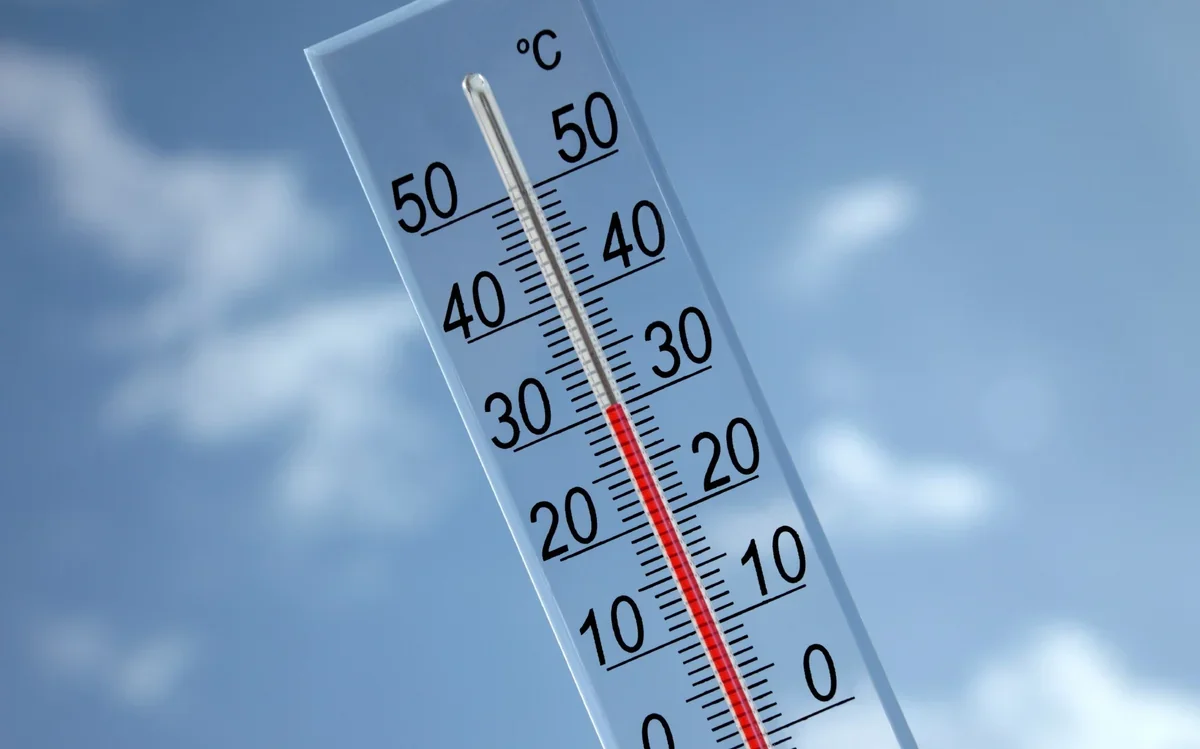
The National Hydrometeorological Service of Azerbaijan has released the weather forecast for February, indicating that winter conditions will continue to prevail across the country. According to the Operative Information Center-OMM, February is traditionally considered a core winter month in Azerbaijan, with climatic characteristics closely mirroring those observed in January.
Official reports indicate that the entry of arctic cold air masses into the country is expected to bring periods of severe weather, while alternating warm air masses will provide temporary mild conditions. Overall, the average monthly temperature in February is projected to be close to the climatic norm, though slightly higher in certain regions. Monthly precipitation levels are also expected to remain within the seasonal averages.
In Baku and the Absheron Peninsula, the average monthly temperature is forecasted at 5–8 degrees Celsius, which is approximately 1 degree above the norm. Nighttime temperatures will range from 1–6 degrees Celsius, potentially dropping to 4 degrees of frost on specific days, while daytime temperatures will fluctuate between 7–12 degrees Celsius. In the Nakhchivan Autonomous Republic, temperatures may drop as low as 13–18 degrees of frost during the night, with daytime highs reaching 5–10 degrees Celsius.
Significant weather variations are also expected in the liberated territories. In Garabagh, including Khankendi, Shusha, and Aghdam, average temperatures will range from 1 degree of frost to 3 degrees Celsius. In East Zangilan, encompassing Jabrayil, Kalbajar, Qubadli, Lachin, and Zangilan, nighttime temperatures could plummet to 12–17 degrees of frost. Meanwhile, the Aran regions, including Mingachevir and Yevlax, will see milder daytime temperatures of up to 13 degrees Celsius.
The National Hydrometeorological Service, an agency under the Ministry of Ecology and Natural Resources, provides these forecasts to assist in public safety and infrastructure management during the winter season. February in Azerbaijan is historically characterized by volatile weather patterns, where sudden shifts from mild Caspian breezes to harsh arctic fronts can impact transportation and energy consumption across the Republic.