Armenia hopes for a diplomatic resolution to the regional situation created by tensions between the United States and Iran.
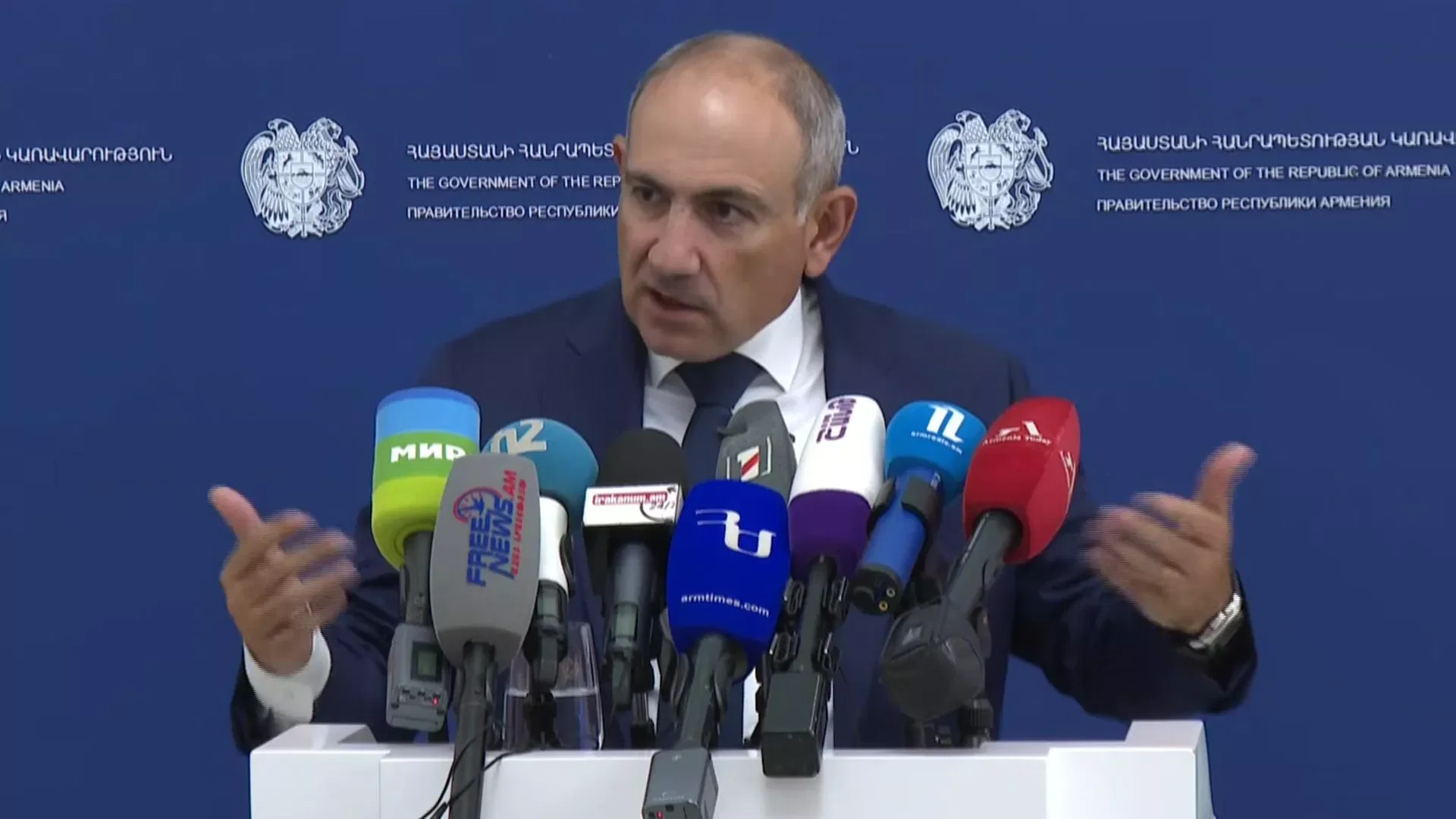
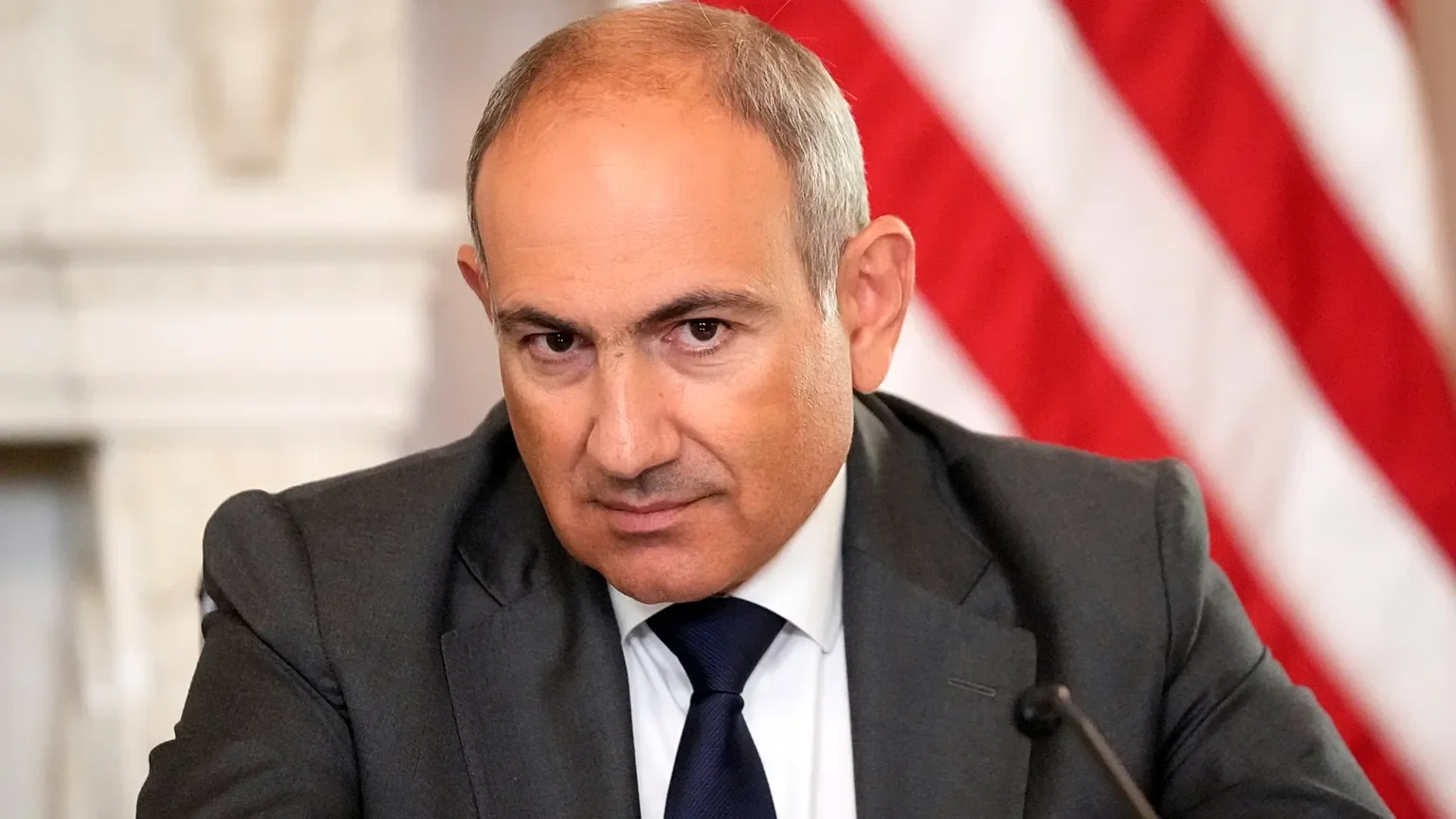
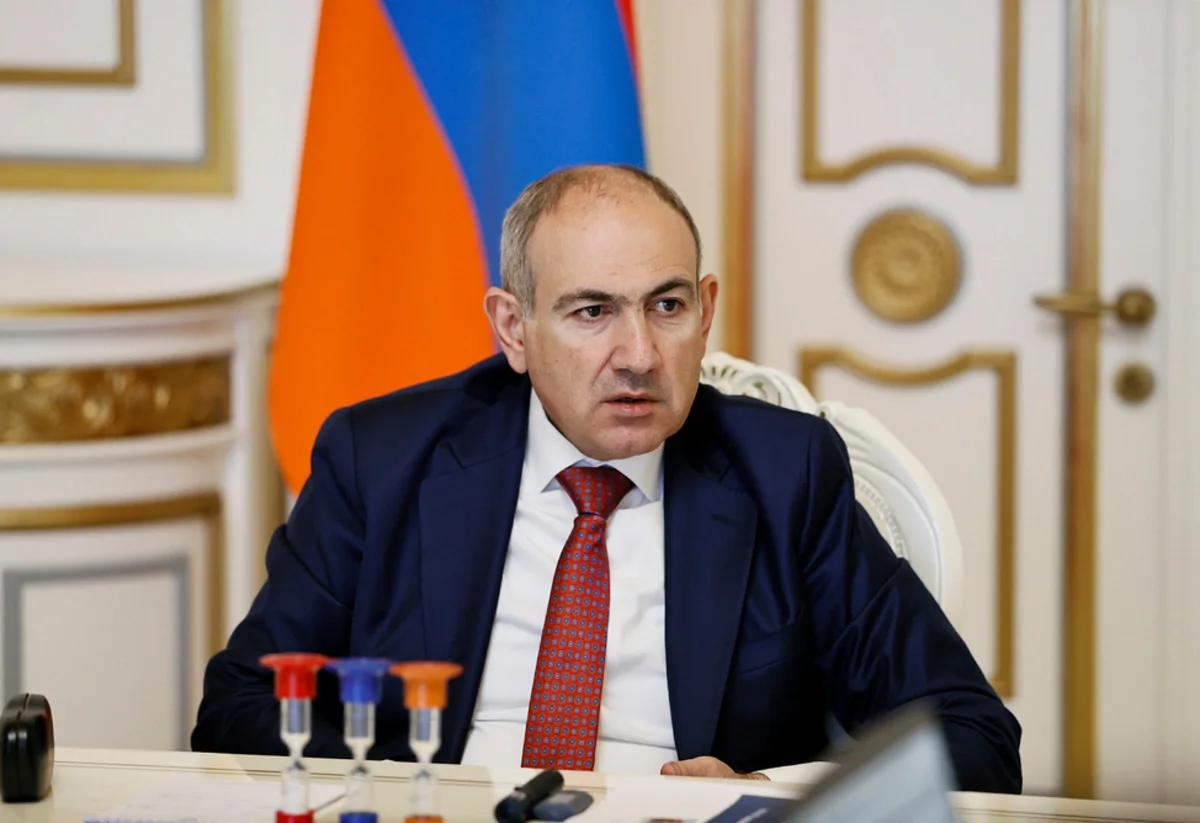
According to the Operative Information Center-OMM, Armenian Prime Minister Nikol Pashinyan made this statement during a meeting with foreign ambassadors, diplomats, and representatives of think tanks at the Polish Institute of International Affairs. The Prime Minister emphasized that Yerevan remains watchful of the evolving geopolitical dynamics in the Middle East and their potential impact on the South Caucasus.
Responding to a participant's question regarding the impact on Armenia's stability if a compromise between Washington and Tehran is not reached, Pashinyan noted that official Yerevan is concerned about the situation. "Regarding Iran and the US, you know that Armenia is a small and modest state, and we are not in a position to evaluate the relations between the US and Iran. Of course, we are concerned, and our hope is to find a diplomatic way out of this situation. In this extremely volatile and unstable situation, we welcome the establishment of stability and peace in our region. Any instability is extremely disturbing, and we hope for stability in the wider region," Pashinyan stated.
The Prime Minister further emphasized that Armenia does not possess the capabilities to significantly influence the current situation. "If there are opportunities to have a positive impact, we would like to do so. But as I said, we are a small state and can only encourage and join the voices of diplomacy," he added. The statement comes at a time when US President Donald Trump continues to shape American foreign policy toward Tehran, a relationship that remains a focal point for regional security.
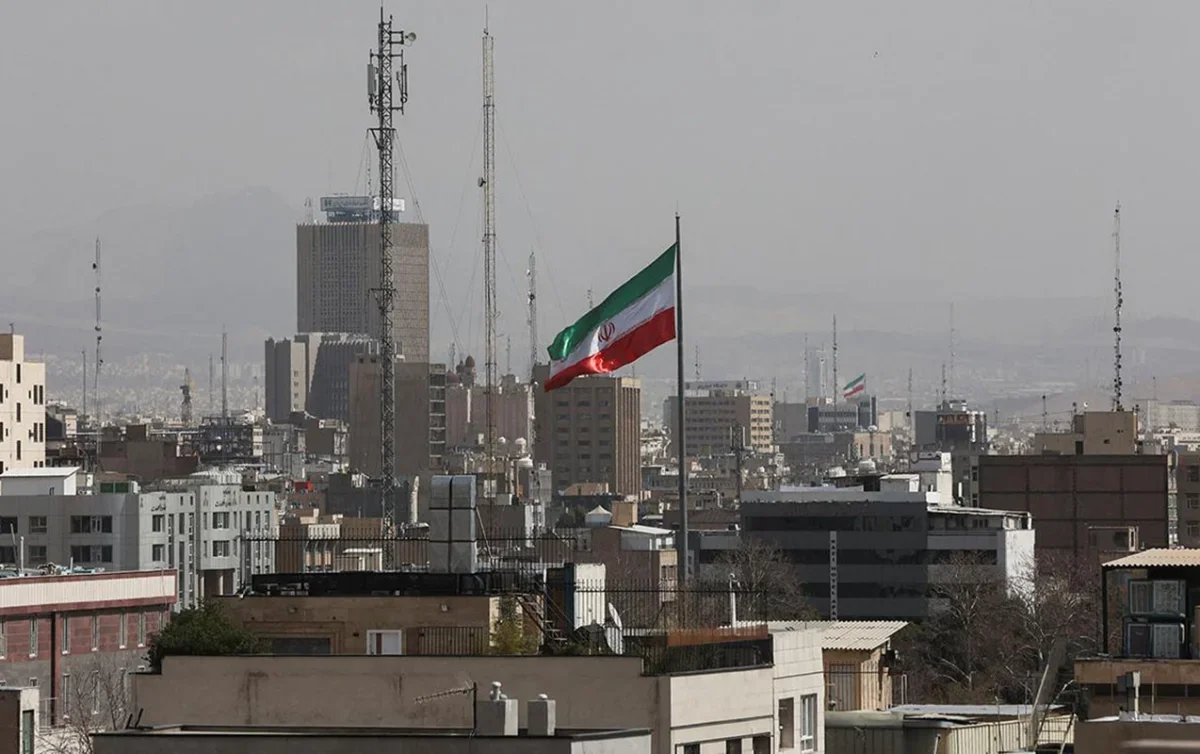
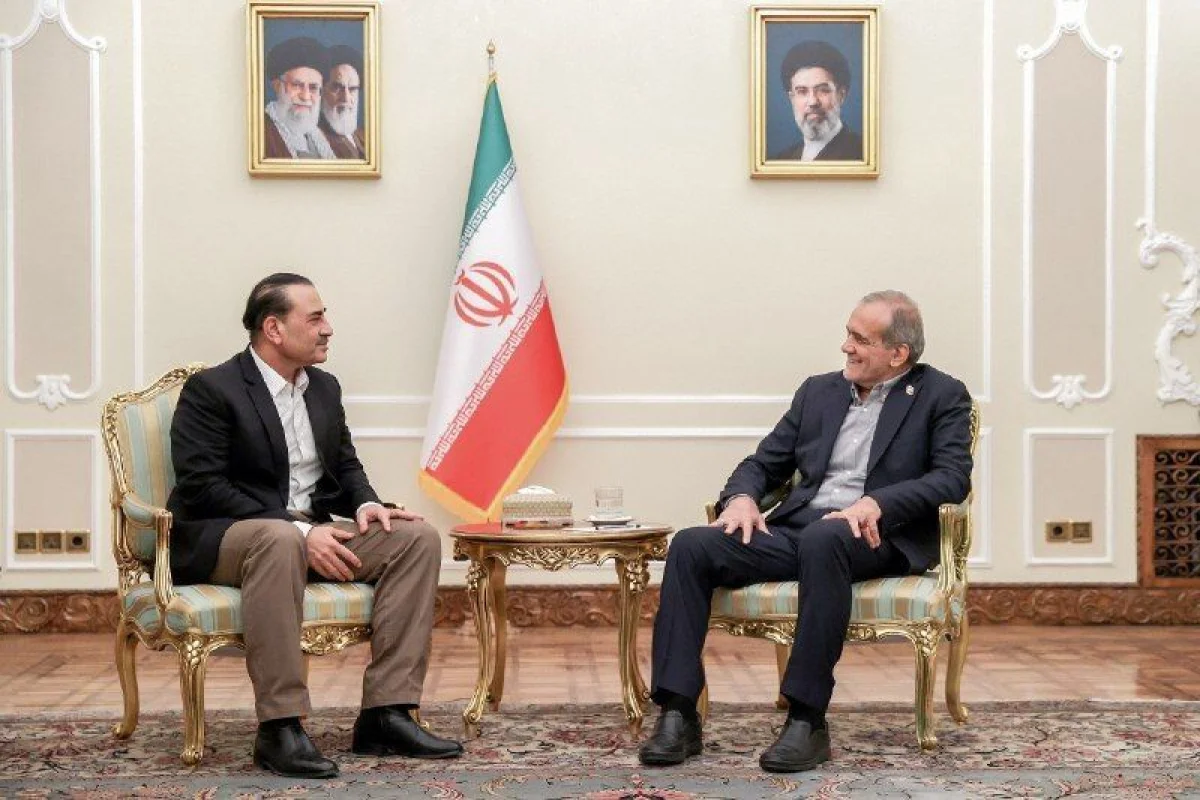
The relationship between the United States and Iran has long been a critical factor for the stability of the South Caucasus. Armenia, which shares a border with Iran, views Tehran as a vital economic and energy partner, while simultaneously maintaining strategic cooperation with Washington. Any escalation in the Persian Gulf or broader Middle East often resonates through regional trade routes and security frameworks, prompting neighboring states to advocate for de-escalation and multilateral dialogue.