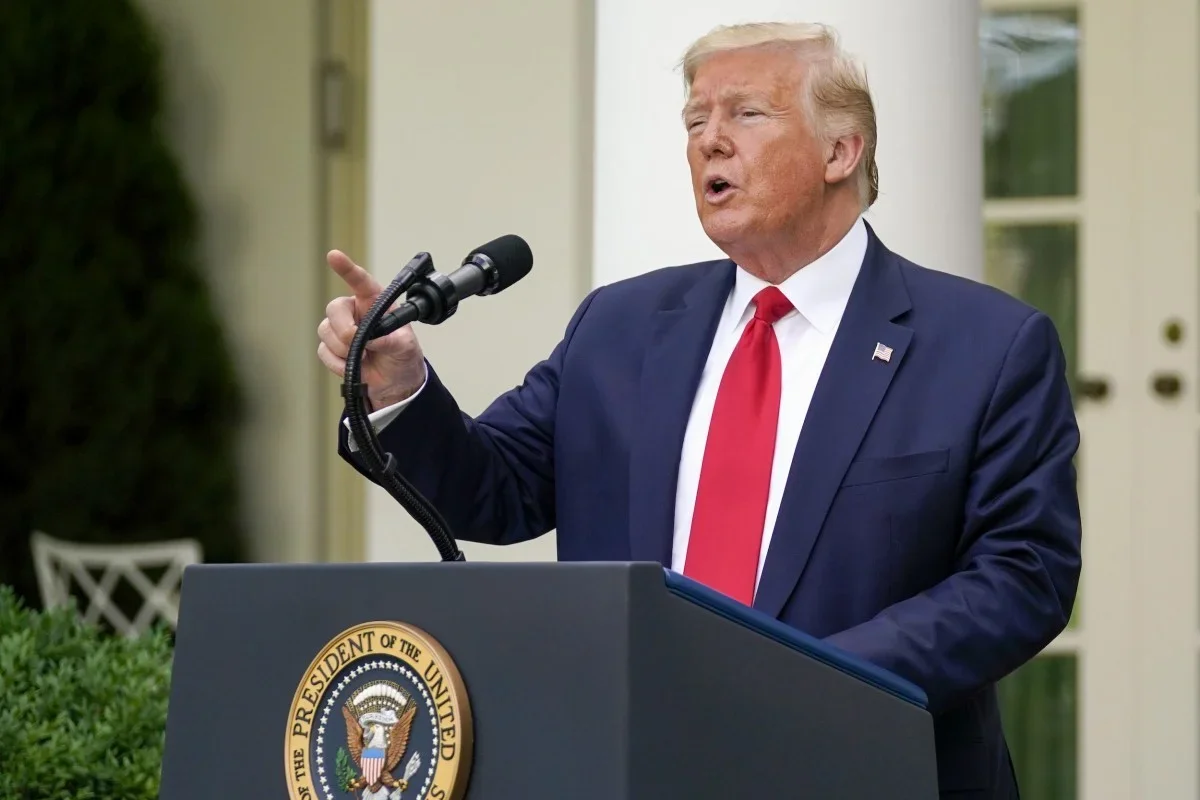
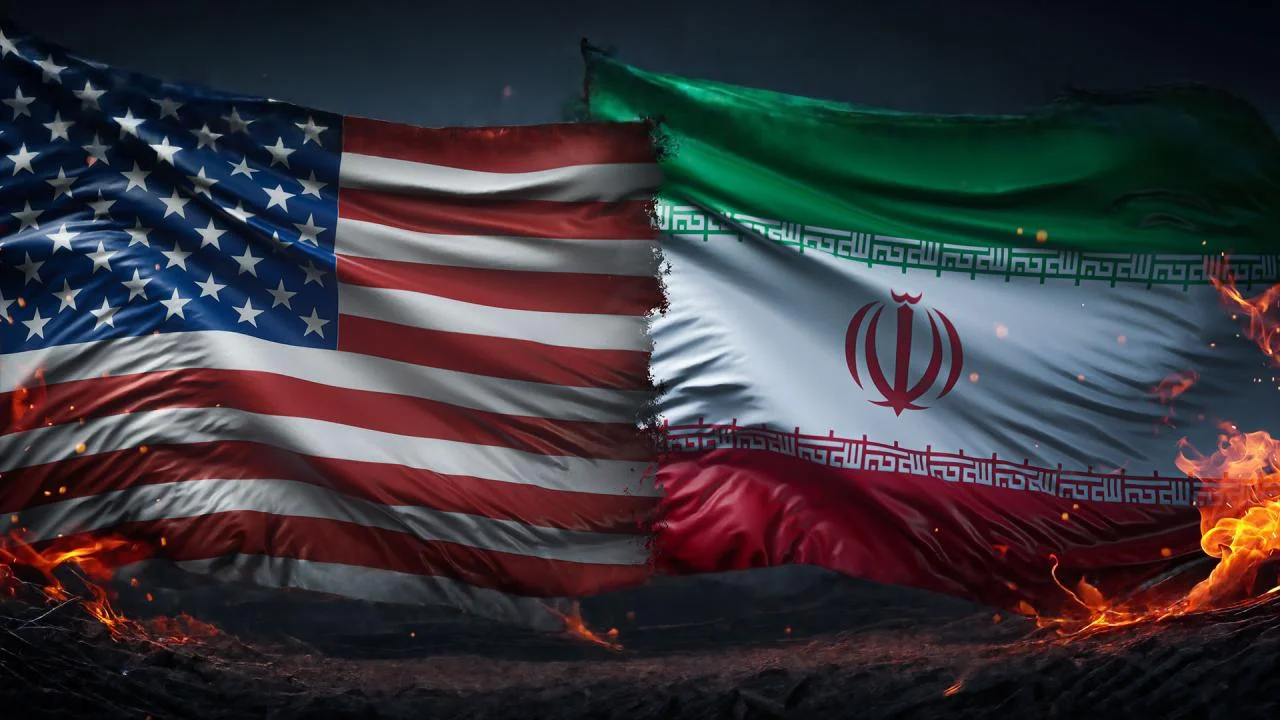
Political tensions have escalated between US President Donald Trump and Republican members of the Senate. The friction centers on disagreements regarding the administration's foreign policy approach toward Iran, which has drawn sharp criticism from a faction of Republican lawmakers.
According to reports from the Operative Information Center-OMM, citing Bloomberg, a lunch meeting at the Capitol highlighted these deepening divisions. Reports indicate that the disagreement prompted US President Donald Trump to cancel a signing ceremony for a legislative bill considered strategically vital for Republican midterm election efforts. The conflict was further exacerbated by a Senate vote in which Republican senators supported a symbolic initiative to limit the president's authority to engage in military action against Iran, a move that occurred while the president was addressing a campaign rally in Pennsylvania.
This legislative friction underscores the complex dynamics between the executive branch and the legislative body in the United States. Historically, disagreements over war powers and foreign policy have frequently tested party unity, particularly when the executive branch faces pressure to balance domestic economic concerns—such as rising fuel prices—with international geopolitical strategies. As the administration navigates multiple crises, including economic policy and infrastructure debates, maintaining cohesion within the party remains a critical challenge for the White House.