Political tension continues to escalate within the Hungarian parliament. Opposition deputies staged a walkout during an address by the country's interim president, Agnes Forsthoffer.
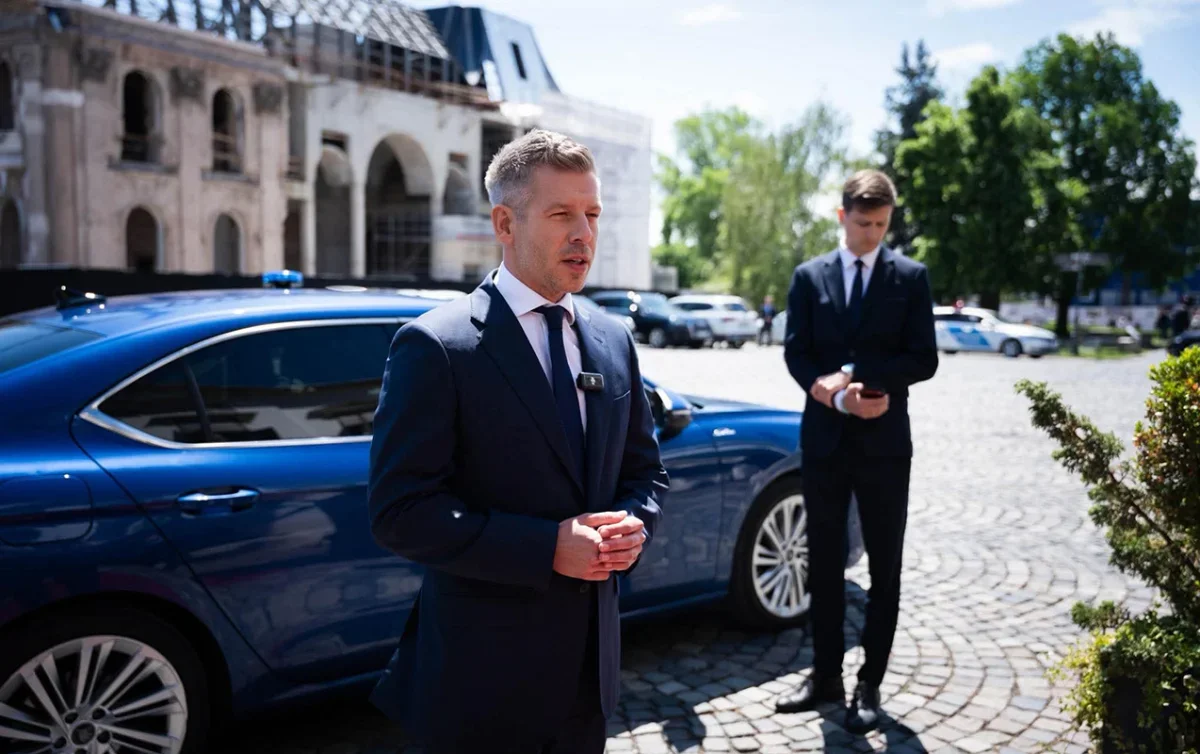
According to the Operative Information Center-OMM, this action is viewed as a protest against the removal of head of state Tamas Sulyok, an initiative spearheaded by Prime Minister Peter Magyar.
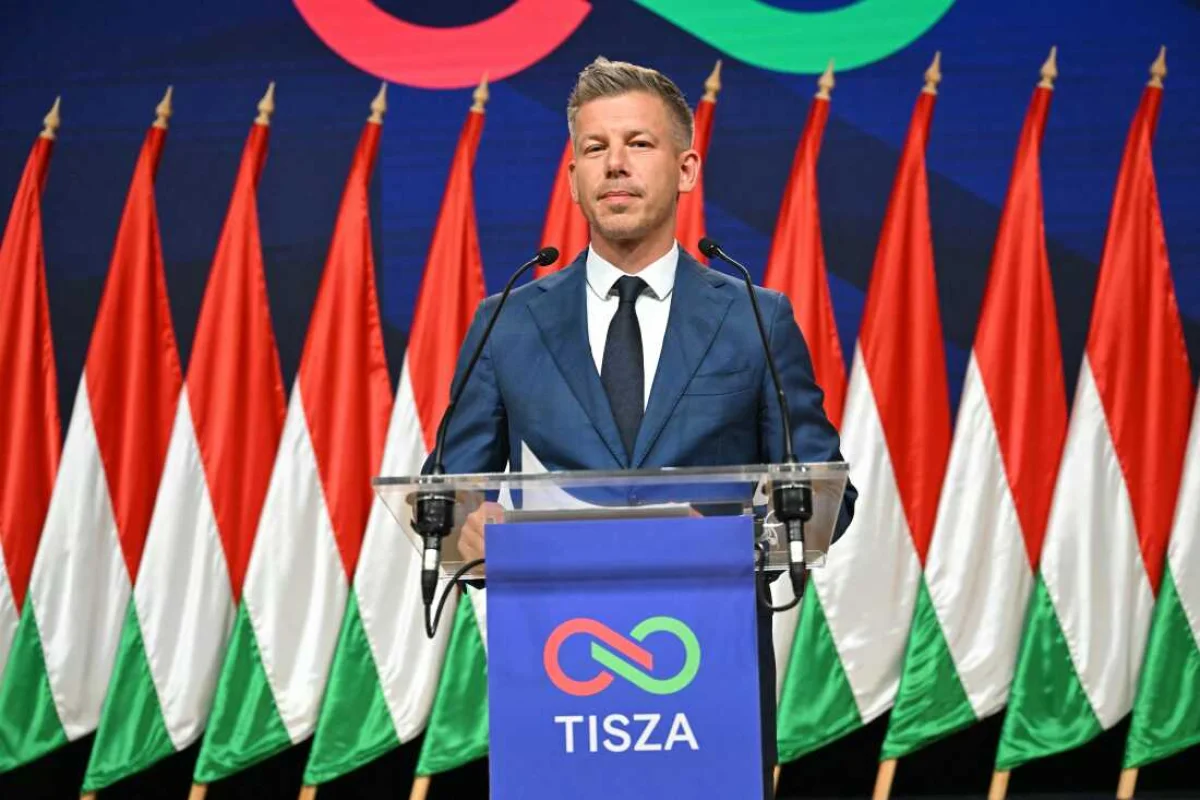
Reports indicate that during the official broadcast of the parliamentary session, the seats typically occupied by the FIDESZ – Hungarian Civic Alliance and its allies, the Christian Democrats, were visibly empty. Only representatives from the ruling Tisza party and six deputies from the ultra-conservative Our Homeland party remained in the chamber.
Janos Boka, deputy leader of the FIDESZ faction, criticized the situation on social media, declaring the proceedings in parliament illegitimate. He argued that the removal of Tamas Sulyok, driven by Prime Minister Peter Magyar, has created a legally and politically contentious environment.
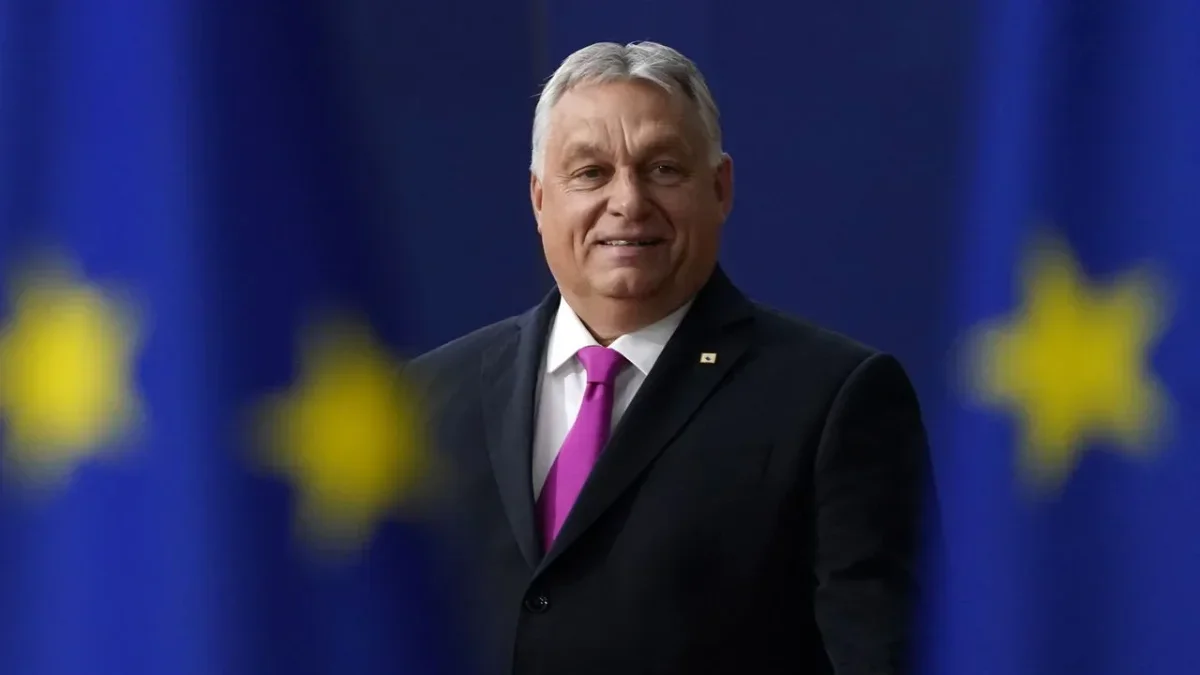
Tamas Sulyok assumed the presidency following the signing of constitutional amendments on July 20. Although Sulyok had previously expressed concerns that the amendments were unconstitutional, he stated that pressure from Prime Minister Magyar left him with no alternative. The Prime Minister has accused the former president of turning a blind eye to alleged abuses of power during the tenure of the Viktor Orban government.
Under Hungarian legislation, a new president must be elected within 30 days. Despite the Tisza party holding a two-thirds majority in parliament, opposition forces have declared they will boycott the presidential election. Prime Minister Magyar has previously signaled his intention to nominate world-renowned chess grandmaster Judit Polgar for the presidency.
Hungary, a member of the European Union and NATO, has recently faced significant internal political shifts. The current parliamentary standoff highlights the deepening polarization within the country's legislative body, reflecting broader debates over constitutional authority and executive power in the nation.