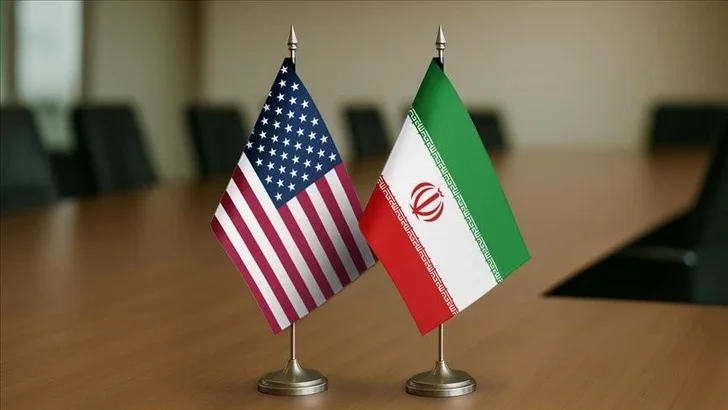
The security situation in the Gulf region has intensified significantly against the backdrop of ongoing tensions between the United States and Iran. A recent surge in missile and drone threats targeting Kuwait has increasingly positioned the nation as a critical flashpoint in the regional conflict.
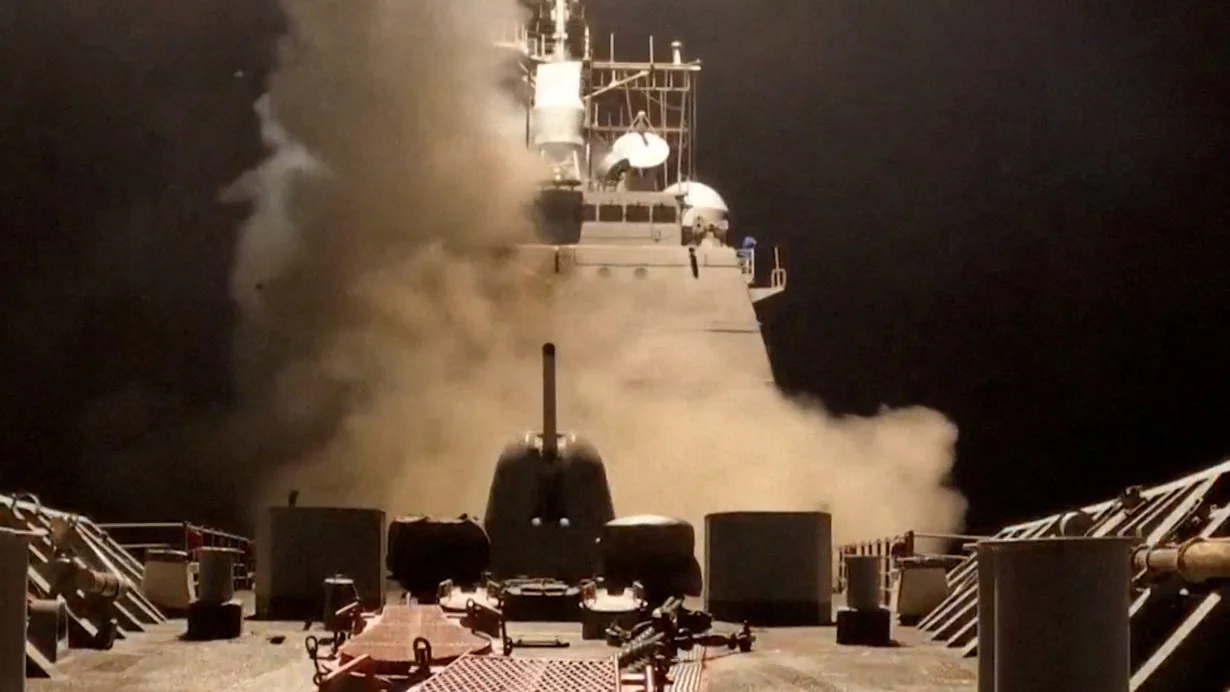
According to the Operative Information Center-OMM, Kuwaiti military forces have reportedly intercepted and neutralized several attacks attributed to Iranian-backed actors.
Kuwait has become a primary focal point due to its hosting of strategically vital US military installations. The country serves as a base for American personnel at facilities such as Camp Arifjan and the Ali Al Salem Air Base. Furthermore, Kuwait maintains a status as a major non-NATO ally of Washington, cementing its role as a key partner in US regional defense architecture.
Analysts suggest that Iran is leveraging pressure on US partners in the Gulf to increase the political and economic costs of Washington's military presence. This strategy aims to complicate US operational capabilities in the region.
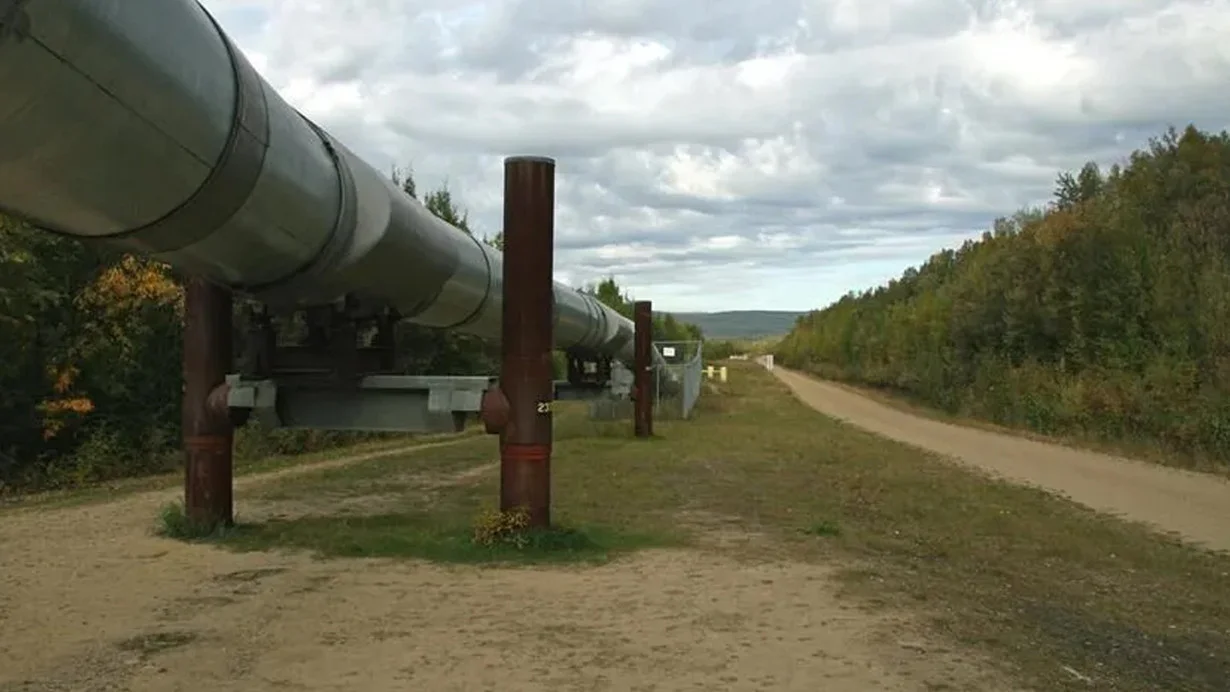
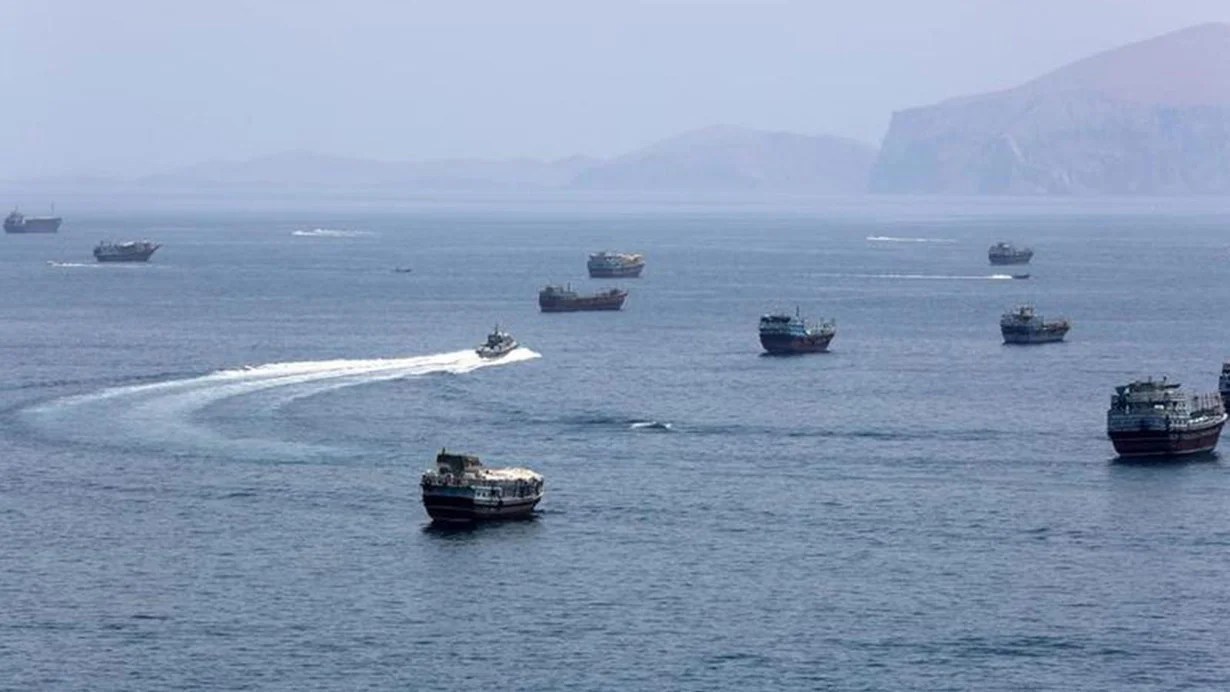
Kuwait's geographic proximity to Iran remains a primary security concern. The nation's critical oil export routes, particularly those transiting through the Strait of Hormuz, are highly vulnerable to any escalation in regional hostilities, which could disrupt global energy supplies.
To bolster its defenses, Kuwait currently utilizes advanced air defense systems, including Patriot and NASAMS batteries. However, security experts warn that these systems face significant challenges in countering the threat posed by mass-scale drone and missile salvos.
The expansion of the US-Iran confrontation presents a dual challenge for Kuwait, necessitating both heightened security vigilance and increased defense expenditures to mitigate growing regional risks.