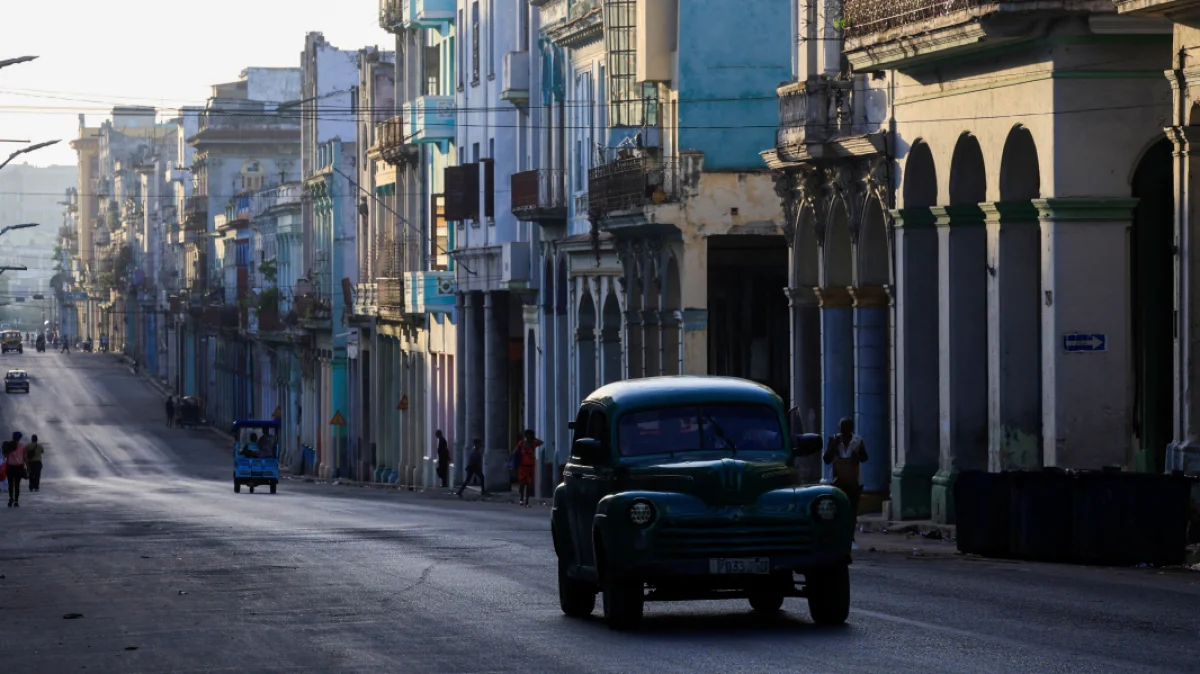
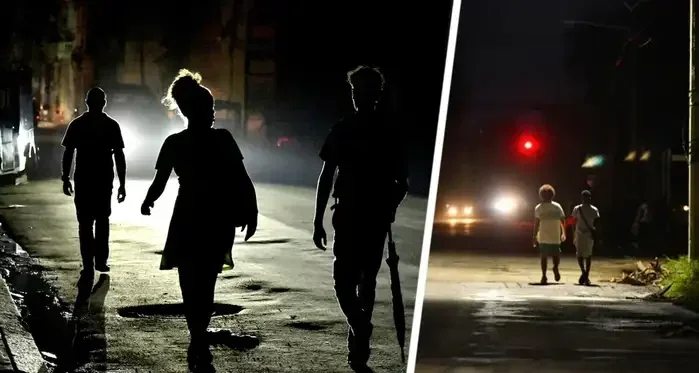
A major failure in the national electrical grid has plunged large parts of Cuba into darkness, exacerbating the country's ongoing energy crisis. The collapse has left millions of citizens without reliable access to electricity or water, severely disrupting daily life across the island.
According to the Operative Information Center-OMM, the prolonged power outages have paralyzed daily activities, particularly in the capital, Havana. With temperatures remaining high, many residents have been forced to sleep on rooftops in an attempt to find relief from the heat.
The lack of electricity has triggered a secondary crisis in water supply. Because water pumps in high-rise buildings rely on electrical power, thousands of residents have been left without running water for days. Yunaisi Durruti, a 51-year-old Havana resident, reported that her home has been without water for a week, noting that even when power is briefly restored, the grid's instability prevents water reservoirs from refilling.
Residents are increasingly forced to seek alternative solutions for basic necessities. Many are traveling to the homes of relatives where power outages are less frequent to cook, bathe, and wash clothes. Furthermore, families are struggling to preserve food as refrigerators remain largely non-functional, forcing many to keep them empty to prevent spoilage.
Cuba's energy infrastructure has been struggling for years due to a combination of aging power plants, fuel shortages, and a lack of investment. The current situation highlights the fragility of the nation's utility systems, which are increasingly unable to meet the basic demands of the population.