 OMM Redaksiyası

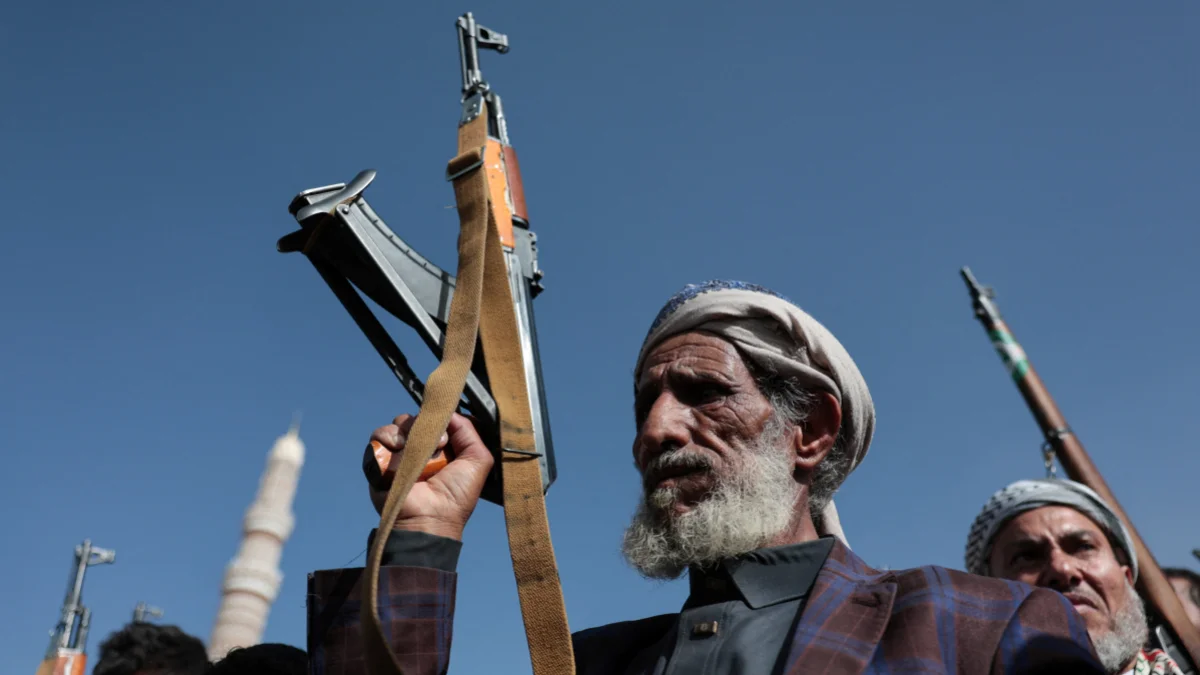
The Houthi movement is a political, religious and military group that controls large parts of northwestern Yemen, including the capital, Sanaa. The movement was founded in the 1990s by members of the Zaydi Shiite community rooted in northern Yemen.
Initially focused on religious revival and opposing growing political and foreign influence, the movement later became an armed force. The Houthis clashed with the Yemeni government several times and capitalized on the political crisis that emerged after the 2011 Arab Spring protests.
In 2014, the Houthis seized Sanaa and forced the internationally recognized government to relocate to the southern city of Aden. The group subsequently consolidated its control over northwestern areas, where most of Yemen’s population lives.
Why are the Houthis confronting Saudi Arabia?
Saudi Arabia intervened directly in the conflict after the Houthis seized Sanaa. Concerned about the movement’s growing strength near its southern border and its ties with Iran, Riyadh formed a coalition in 2015 and launched a military intervention in Yemen.
The declared goals of the intervention were to defeat the Houthis, restore the internationally recognized government and prevent the group from expanding further. Saudi Arabia and its allies, including the United Arab Emirates, carried out extensive airstrikes, while the Houthis launched missiles and drones at Saudi territory.
Neither side achieved a decisive victory. A UN-mediated truce reached in 2022 led to a significant reduction in fighting and largely froze the conflict.
Why has the conflict flared up again?
The latest escalation is linked to the broader confrontation between Iran and the United States. The Houthis, which maintain political and military ties with Tehran, support Iran in the current conflict. As tensions involving Iran, the United States, Israel and the Gulf region have increased, Houthi attacks on Saudi Arabia have also resumed.
Since late 2023, the Houthis have also carried out attacks on commercial vessels in and around the Red Sea. The group says the campaign is aimed at supporting Palestinians amid Israel’s war in Gaza.
The attacks have prompted a number of shipping companies to avoid the Red Sea and take a longer route around the Cape of Good Hope. This has increased transit times, fuel costs and insurance premiums.
Why is the Red Sea important?
The Red Sea is one of the main maritime trade routes linking the Indian Ocean with the Mediterranean Sea through the Suez Canal. The Bab el-Mandeb Strait serves as the gateway to this route and is a vital shipping passage.
Houthi attacks have already disrupted cargo and energy shipments. A renewed campaign against shipping routes could further worsen the situation. At a time when disruptions have also affected the Strait of Hormuz, the developments could influence global oil markets, freight costs and supply chains.
How powerful are the Houthis?
The Houthis have evolved from a relatively small rebel group into an organization with tens of thousands of fighters and heavy weapons. Their arsenal includes ballistic and cruise missiles, as well as drones.
These capabilities have made the Houthis an important factor in regional security calculations. However, their ability to strike distant targets is inconsistent. While attacks on Saudi Arabia and the UAE have caused serious damage in the past, a number of strikes against more distant targets have been intercepted by air defense systems or failed to reach their targets.
What are the Houthis’ ties with Iran?
Iran is one of the Houthis’ most important international supporters and considers the movement part of a broader regional “Axis of Resistance.” The network also includes Lebanon’s Hezbollah and several Shiite militias in Iraq.
The United States says Iran, with support from Hezbollah, has provided the Houthis with weapons, funding and training. The Houthis reject descriptions of them as an Iranian proxy and say they have developed their military capabilities independently. The movement does not recognize Iran’s supreme religious leader as its primary religious authority, and its political objectives are focused mainly on Yemen.
Risk of a wider conflict
The main concern is that new Houthi attacks could draw Saudi Arabia back into direct military confrontation with the group after years of relative calm.
This could once again deepen one of the world’s most severe humanitarian crises and add further tension to an already unstable region. Saudi Arabia faces the challenge of protecting its territory and critical infrastructure while avoiding a return to full-scale war in Yemen.