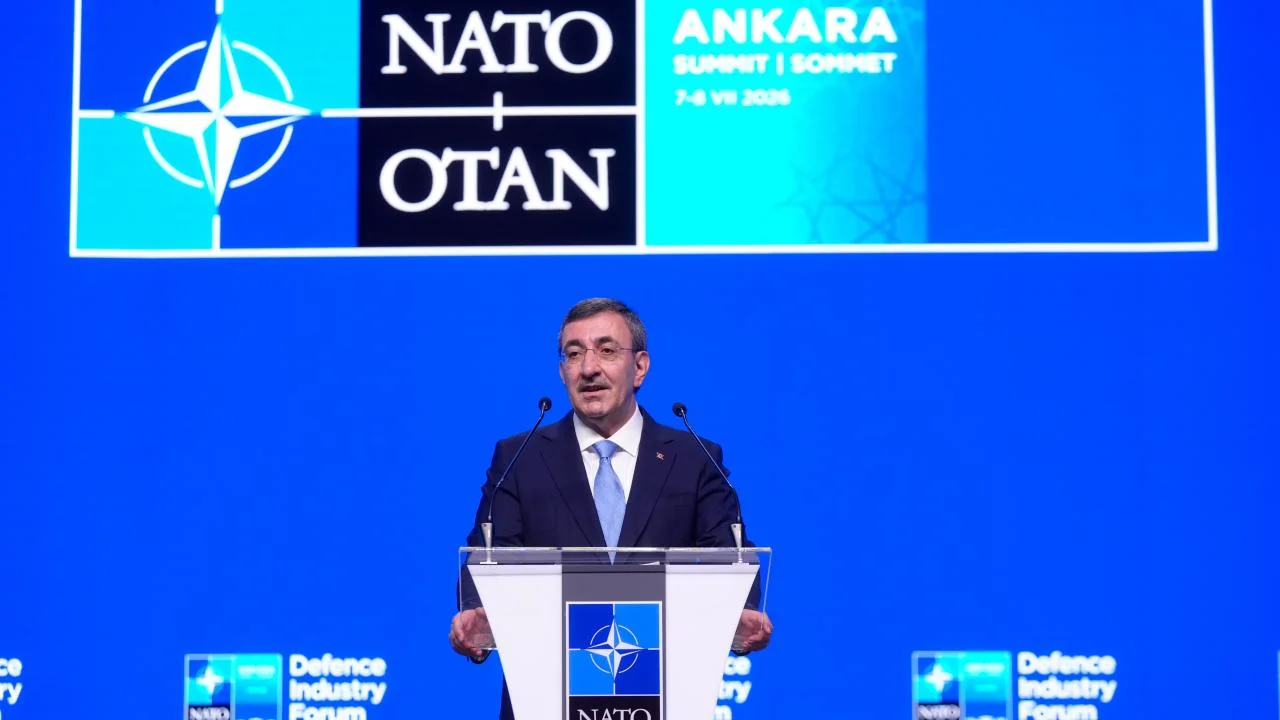
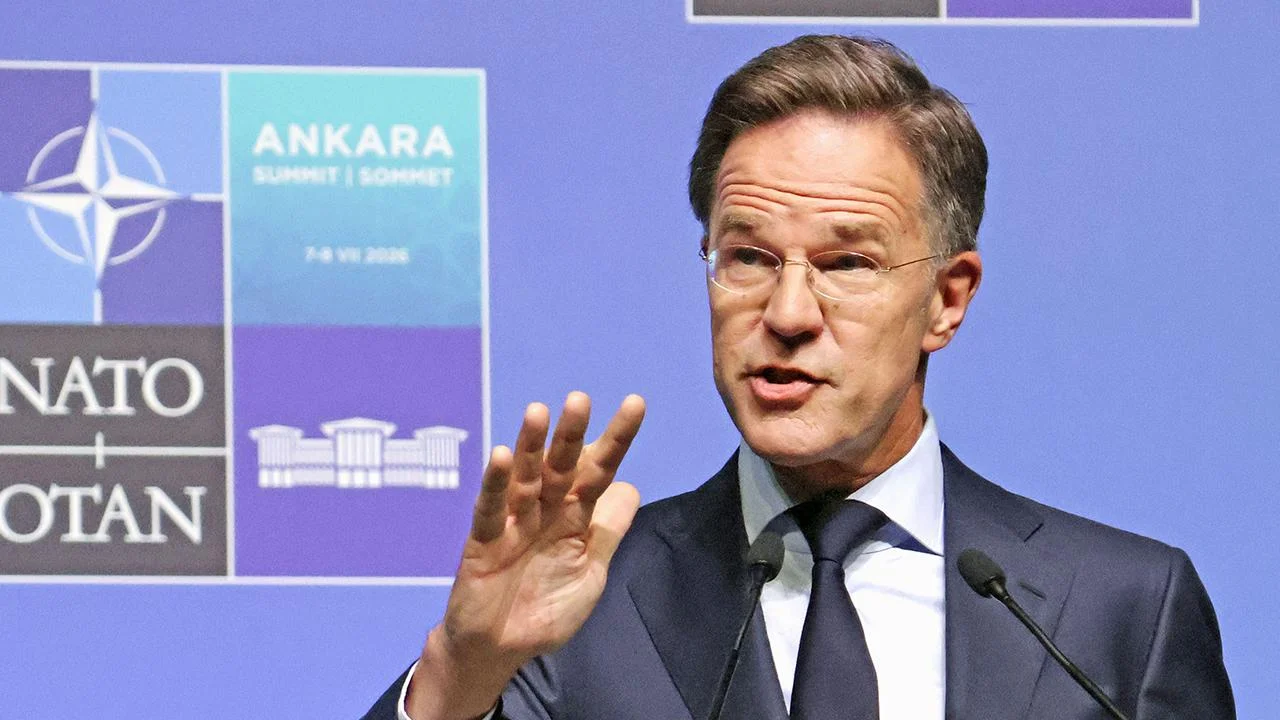
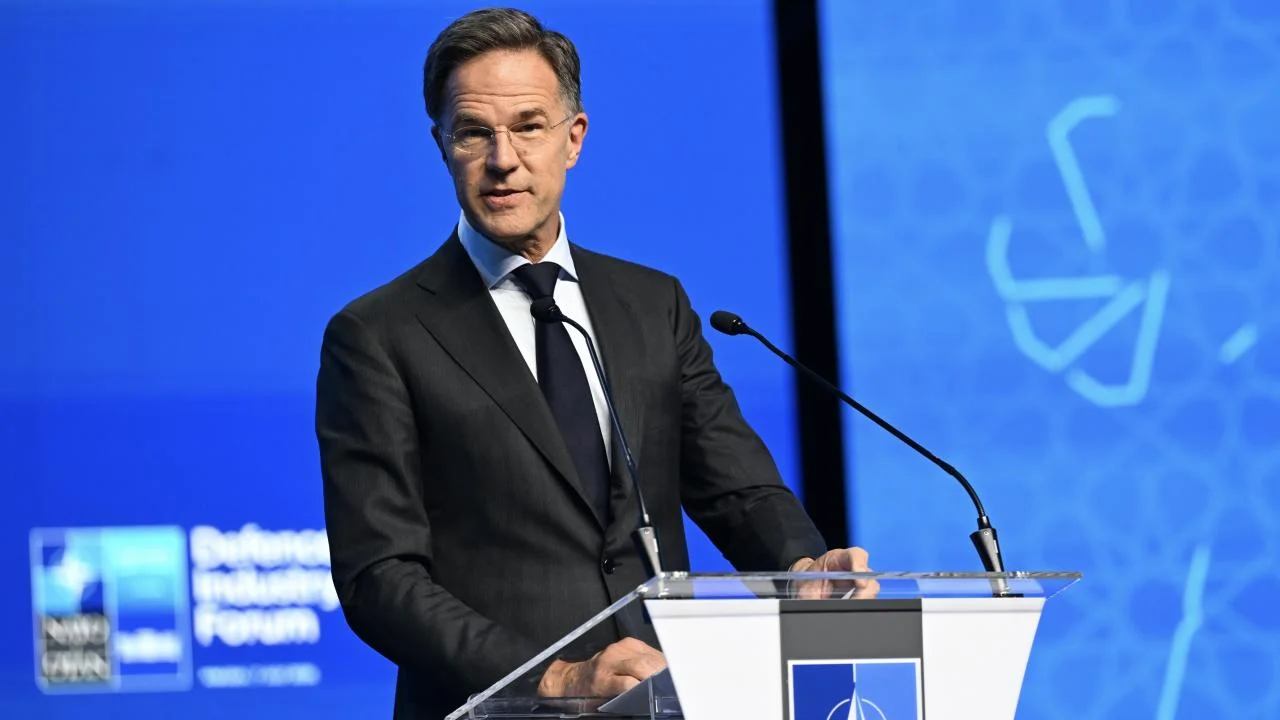
NATO Secretary General Mark Rutte’s two-day visit to Turkey ahead of the upcoming July summit highlights Ankara’s growing strategic importance amid global geopolitical uncertainty.
Operative Information Center-OMM reports that Zaur Gasimov, an associate professor at the Turkish-German University in Istanbul, told "AnewZ" that the visit comes at a critical juncture for the alliance. This meeting carries particular weight following statements by US President Donald Trump regarding a potential reassessment of Washington’s commitment to the bloc.
Gasimov noted that Turkey’s proximity to the Middle East, the Black Sea, and the Caucasus places it at the center of NATO’s security planning. He emphasized that Turkey maintains the second-largest army in the alliance, characterized by high combat readiness and advanced technological developments, particularly in the field of unmanned aerial vehicles (UAVs), which distinguishes it from many European counterparts.
“Turkey possesses the second-largest army in NATO. The country's military forces are among the most combat-ready within the alliance. Specifically, technological advancements in the field of drones set Turkey apart from many European nations,” Gasimov stated.
The expert also addressed Turkey’s independent foreign policy, including its dialogue with Russia and the acquisition of "S-400" air defense systems. He noted that Ankara successfully maintains ties with Moscow while simultaneously deepening cooperation within NATO. The upcoming summit in July is expected to focus on the war in Ukraine and instability in the Middle East, where Turkey’s defense industry is becoming increasingly attractive to European partners.
Turkey, which joined NATO in 1952, has historically served as a vital southern flank for the alliance. In recent years, its role has expanded beyond traditional defense to include significant contributions to regional counter-terrorism efforts and maritime security in the Black Sea, reinforcing its position as a cornerstone of Euro-Atlantic security.