Amid ongoing global tensions between the United States and Iran, Pakistan has expressed hope that the parties will engage in constructive peace negotiations.
Operative Information Center-OMM reports that this significant statement was made by Pakistan's Foreign Minister Mohammad Ishaq Dar.
According to the minister, Pakistan will continue to provide comprehensive assistance to the parties to ensure regional stability and the signing of a sustainable peace agreement. The diplomatic efforts in Islamabad are seen as a critical step toward de-escalating the volatile situation in the Middle East.
Expected US-Iran dialogue in Islamabad
An official statement from the Ministry of Foreign Affairs of Pakistan reaffirmed Mohammad Ishaq Dar's belief that the parties will conduct a constructive dialogue and reiterated Pakistan's willingness to mediate in achieving a long-term solution to the conflict.
It should be noted that delegations from Iran and the United States have already arrived in Islamabad to conduct direct negotiations. However, the exact start time of these historic talks has not yet been disclosed to the press. These discussions follow a period of intense military activity and represent the first major diplomatic breakthrough since the escalation of hostilities.
Conflict chronology: Military operations and ceasefire
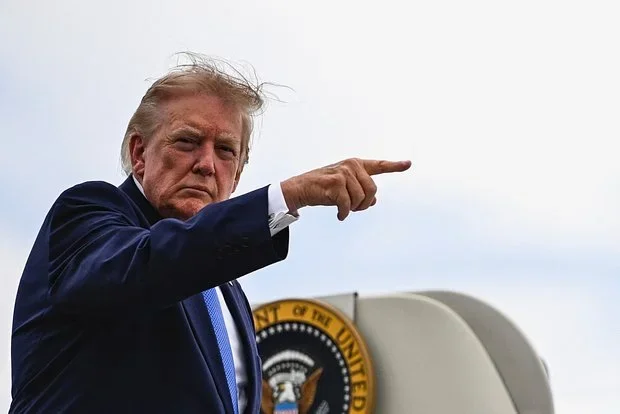
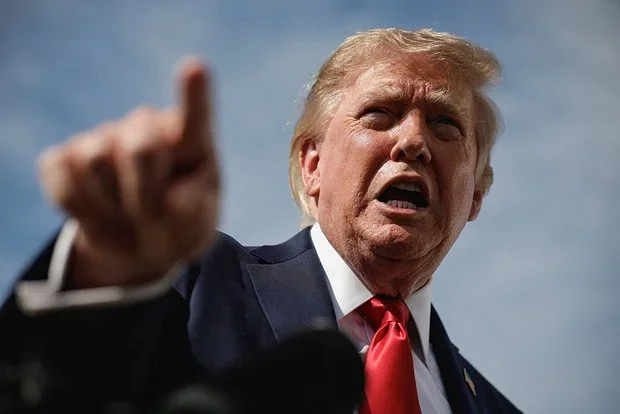
As a reminder, the United States, under the leadership of US President Donald Trump, and Israel launched large-scale military operations against Iran on February 28. As a result, Iran's Supreme Leader Ali Khamenei and several high-ranking state officials were killed.
Following this event, Iran took retaliatory measures, launching strikes against targets in Israel as well as several countries hosting US and allied military bases. The targeted areas included Saudi Arabia, Qatar, the United Arab Emirates, Oman, Bahrain, Kuwait, Iraq, and Cyprus.
A partial easing of tensions occurred on April 8. Iran, the United States, and their allies reached an agreement on a two-week ceasefire aimed at stabilizing the situation in the region. The current talks in Islamabad are intended to build upon this fragile truce to establish a more permanent framework for regional security.
Pakistan has historically played a balancing role in regional diplomacy, often serving as a bridge between Western powers and Islamic republics. Given its strategic location and diplomatic ties with both Washington and Tehran, Islamabad's mediation is viewed by international observers as a pivotal factor in preventing further regional escalation.