"Sustainable security in the Middle East can only be achieved through the cessation of foreign interference, the withdrawal of the United States from the region, and respect for the sovereignty of states," stated Kazem Gharibabadi, Iran's Deputy Foreign Minister.
According to the Operative Information Center-OMM, Gharibabadi criticized a regional military security meeting organized by the US Central Command (CENTCOM) in Manama, the capital of Bahrain. He emphasized that such gatherings cannot establish a legitimate security framework for the Persian Gulf.
The Iranian official asserted that regional security should not be maintained under US military patronage but rather based on respect for the sovereign rights of nations and the acceptance of new geopolitical realities. He further stated that the security framework for the Strait of Hormuz should be formed based on principles defined by Tehran, rather than by CENTCOM.
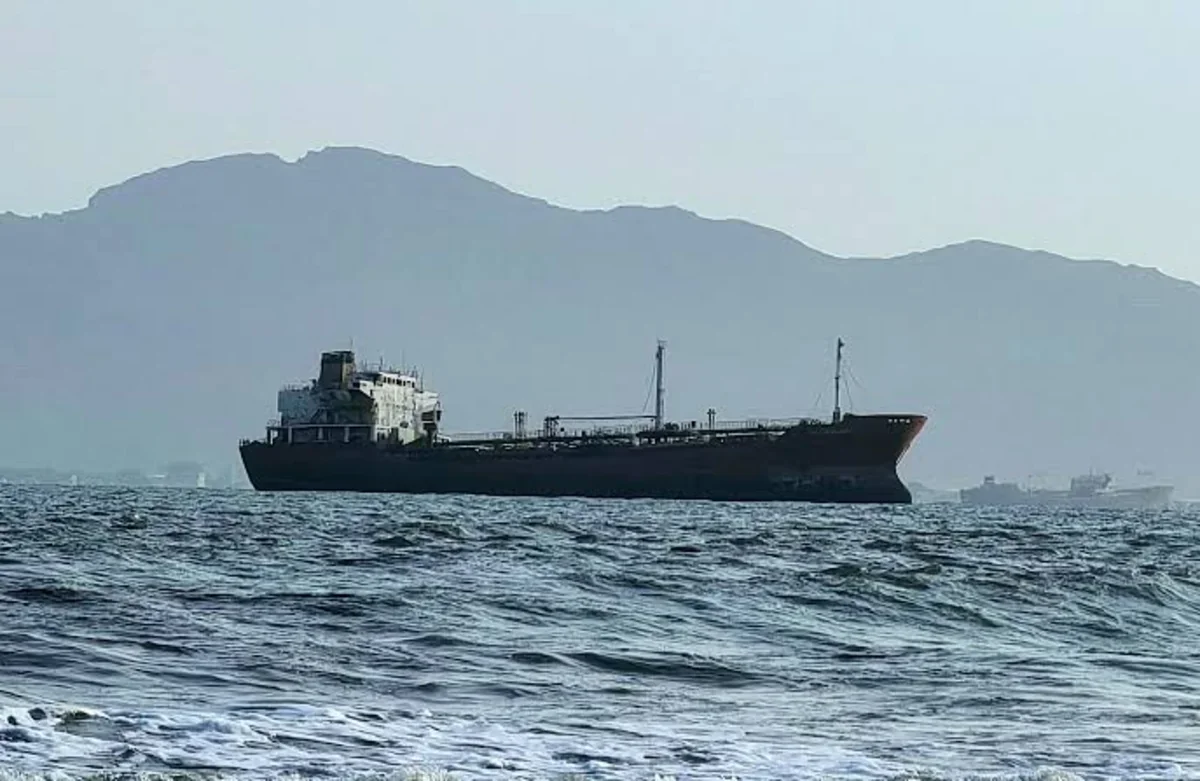
CENTCOM announced on July 1 that it hosted a regional security meeting in Bahrain, attended by high-level military representatives from Egypt, Jordan, Kuwait, Lebanon, Oman, Qatar, Saudi Arabia, Syria, the United Arab Emirates, and Yemen. The discussions focused on the current regional security situation, the expansion of defense cooperation, and ensuring the safe passage of commercial vessels through the Strait of Hormuz.
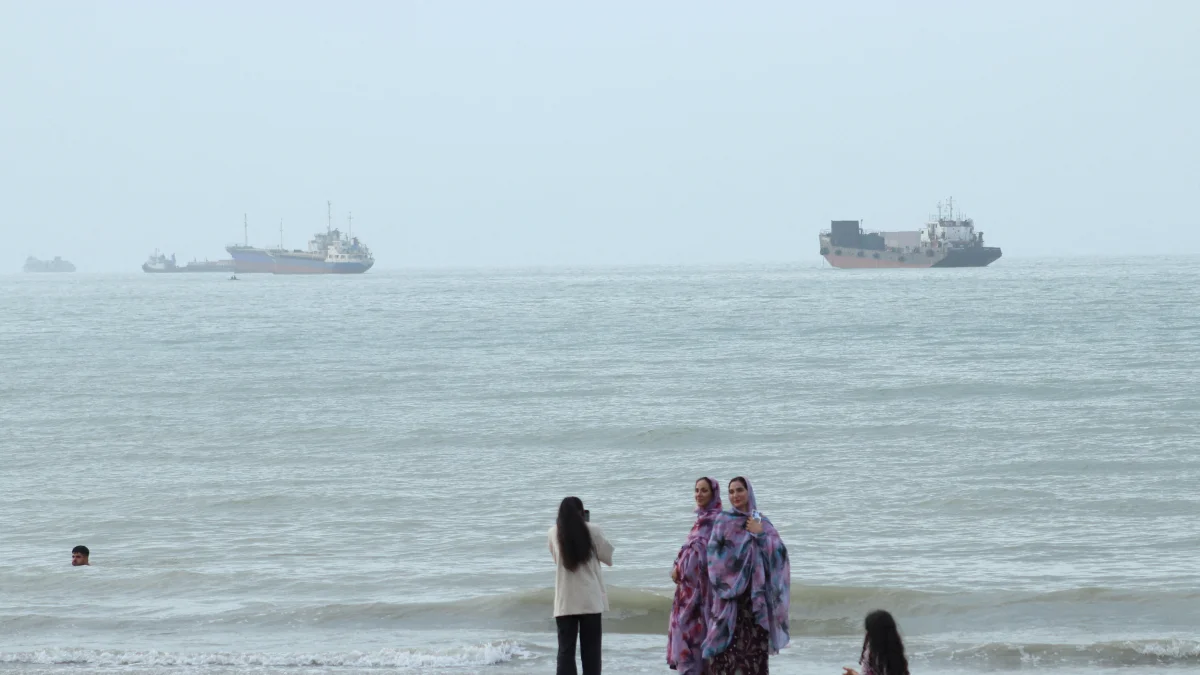
The Strait of Hormuz remains one of the world's most critical maritime chokepoints, as a significant portion of global oil and liquefied natural gas (LNG) exports passes through this narrow waterway. Tensions in the region often center on the balance between international maritime security initiatives and the regional influence asserted by Iran.