New "green corridors" are set to be established across cities in Azerbaijan to improve urban ecology and the mental well-being of residents.
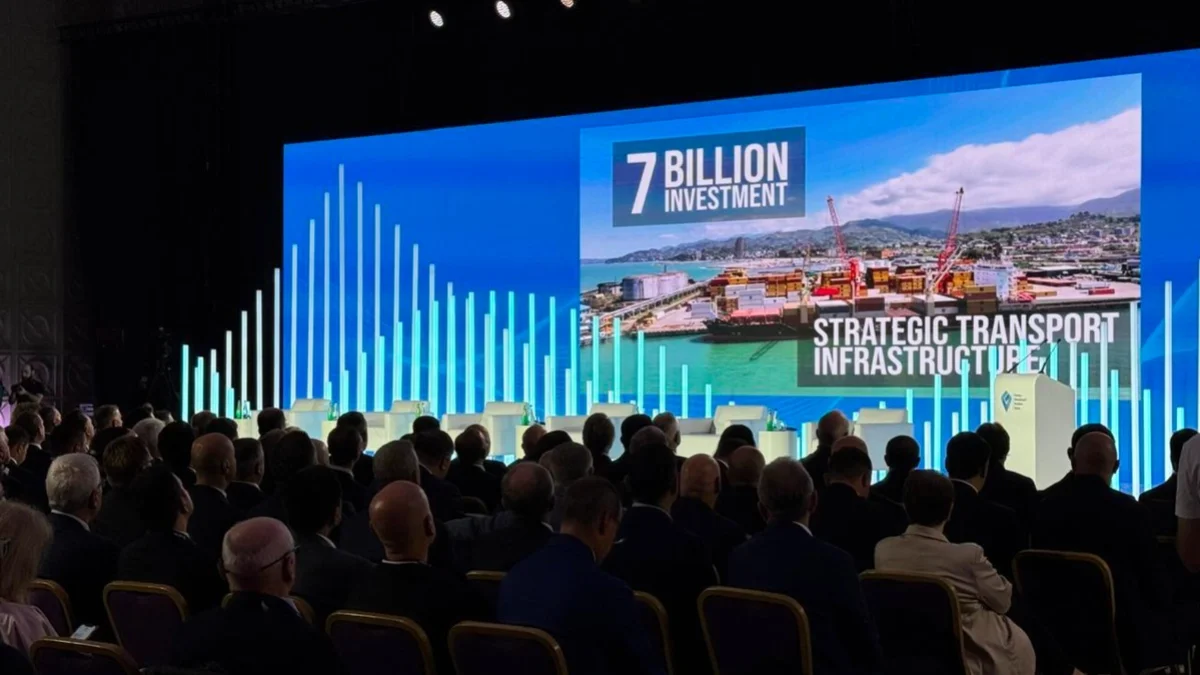
Operative Information Center-OMM reports that Shahnaz Badalova, Deputy Head of the Urban Planning and Territorial Planning Department of the State Committee for Urban Planning and Architecture, announced the initiative during the "Neuro-urbanism: How cities shape the brain, behavior, and mental well-being" event held as part of the World Urban Forum (WUF13) in Baku.
"We say that we build cities for everyone. If the goal is truly to create a city for everyone, then future master plans cannot be prepared by only one professional group or institution. Urban planning is a highly complex system; urbanists, architects, psychologists, transport specialists, public health experts, and researchers from other fields must work together in the planning process. A crucial part of urban planning is the zoning plan, and this should not be limited to schemes prepared only on paper," Badalova stated.
The official emphasized that even an ideal zoning plan will not be effective if human behavior and daily usage habits are ignored. "For instance, if there are no comfortable and safe pedestrian paths in a city, people will not use those spaces. Without green corridors, it will be impossible to create greener and more livable cities," she added.
Providing a specific example from Azerbaijan, Badalova noted that while Sumgait is currently the second-largest city by population, the 20-year master plan envisions Ganja becoming the second-largest city. "Ganja has a large 200-hectare park. However, because the park is located far from the city center and there are no green corridors leading to it, residents do not use it actively. People usually prefer public spaces near their homes with easy access. This is why the new master plan provides for the creation of special green corridors. Human psychology shows that if pedestrian-friendly streets and green passages are formed, residents will use parks and public spaces more frequently," she explained.
The World Urban Forum (WUF), established by the United Nations, is the world's premier conference on urban issues. The discussions in Baku regarding neuro-urbanism highlight Azerbaijan's commitment to integrating psychological and social elements into urban development. This approach aims to create more resilient, flexible, and human-oriented cities, aligning with the country's broader sustainable development goals and modern international urban planning standards.