 OMM Redaksiyası

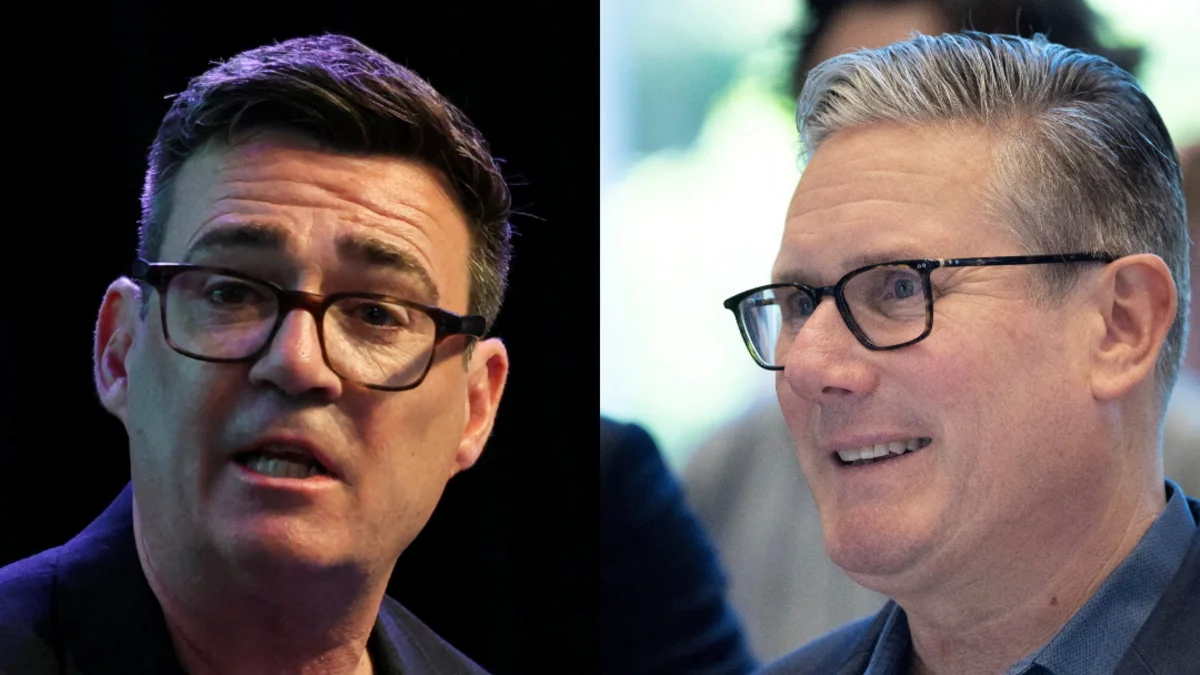
Greek Prime Minister Kyriakos Mitsotakis has urged Andy Burnham to find the “political will” to return the Parthenon sculptures to Greece permanently, saying the move would send a powerful signal but require courage, according to the BBC.
In an article published by the Guardian, Mitsotakis said Greece could not accept any agreement that recognised the British Museum’s ownership of the sculptures or required Greece to “borrow” parts of its own monument.
The sculptures, also known in the United Kingdom as the Elgin Marbles, have been displayed at the British Museum since the 19th century. Greece has long disputed the legality of their removal from Athens.
Greece rejects Bayeux Tapestry model
Mitsotakis referred to the recent agreement allowing the Bayeux Tapestry to be loaned to the British Museum, rejecting suggestions that it could provide a model for an arrangement over the Parthenon sculptures.
“Nobody would seriously contemplate cutting what survives of the tapestry in two and displaying half in London and half in Bayeux,” Mitsotakis wrote. “Yet that is exactly what happened to the Parthenon sculptures.”
British Museum director Nicholas Cullinan had suggested that the agreement between the United Kingdom and France could offer hope of a deal with Greece. Mitsotakis said he was surprised by the proposal and did not believe the two cases were comparable.
Burnham previously backed return without conditions
The Greek prime minister called on Burnham to stand by earlier comments supporting the sculptures’ return without conditions. He described such a move as a “decisive step” that could reunite the sculptures and turn a historic dispute into an act of cultural friendship.
In 2023, several years before returning to government and becoming prime minister, Burnham said the sculptures should be returned to Greece with “no strings attached”. He had also supported changing the law to allow their return.
However, Burnham told the Financial Times last month that the matter was ultimately for the British Museum and that, legally, the issue rested there.
Why Greece disputes the sculptures’ removal
Many of the sculptures originate from the Parthenon in Athens. They were created between 447BC and 432BC to decorate the Temple of Athena on the Acropolis.
Lord Elgin, the British ambassador, received permission from the Ottoman Empire, which governed Athens at the time, to remove some of the marble sculptures in the early 19th century. A British parliamentary committee ruled the actions legal in 1816, after which the sculptures entered the British Museum collection through an act of Parliament.
Greece disputes that their removal was lawful. The Acropolis Museum in Athens has a gallery with spaces deliberately left for the sculptures held in London.
The British Museum and the UK government say the law prevents the permanent return of objects in the museum’s collection, although loans are permitted. Campaigners argue that the British Museum Act could be amended, but the UK government has not indicated that doing so is a priority.