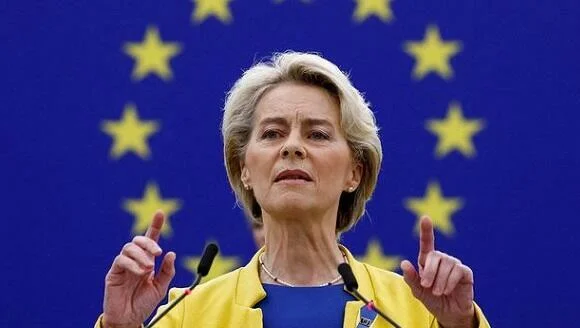
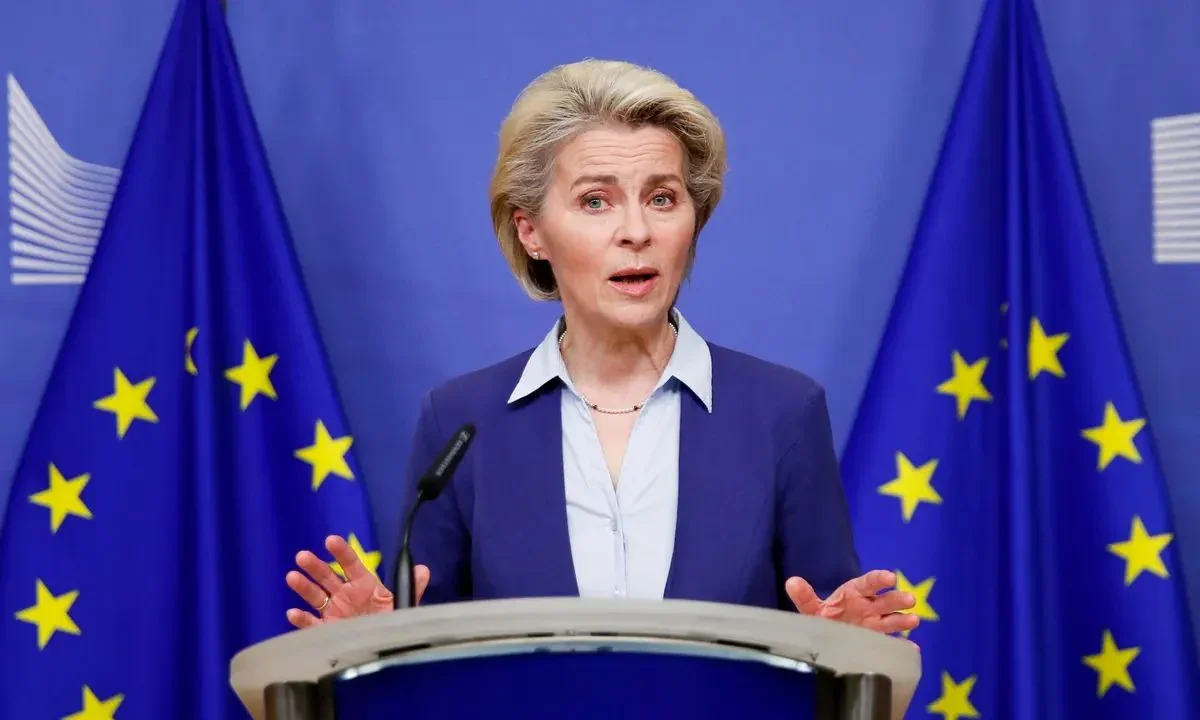
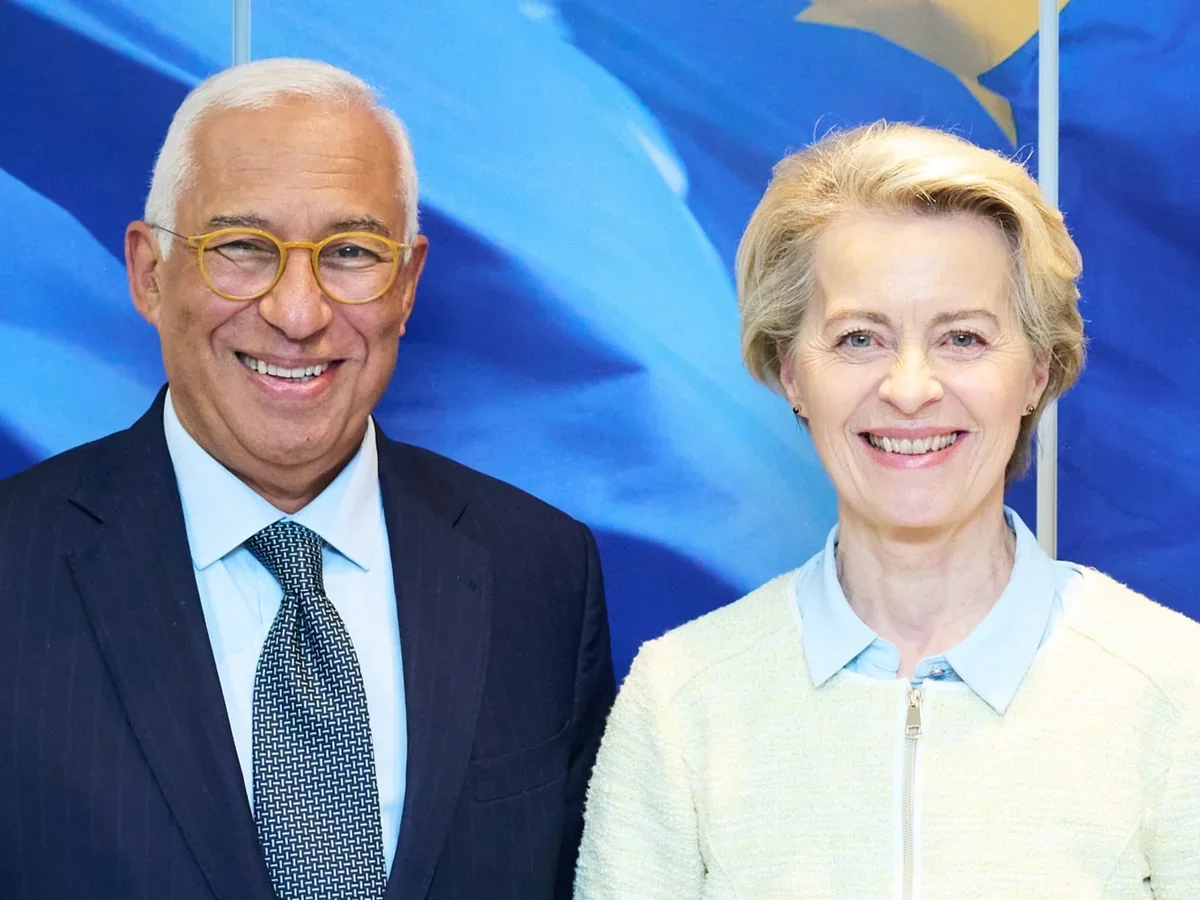
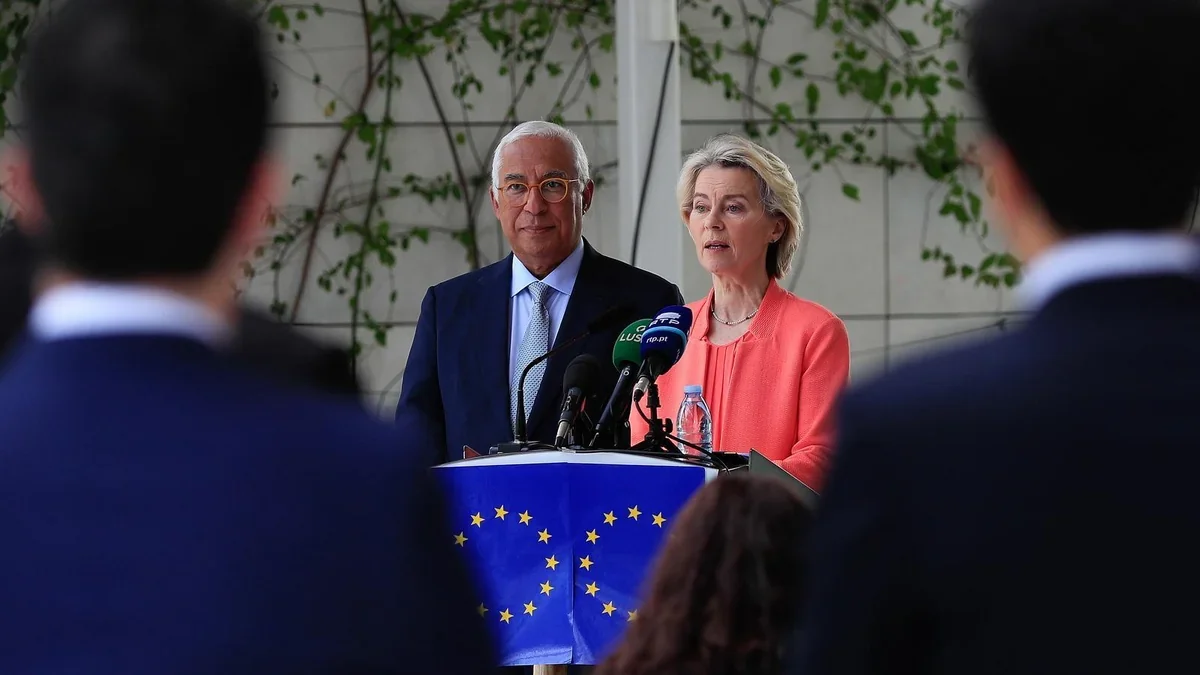
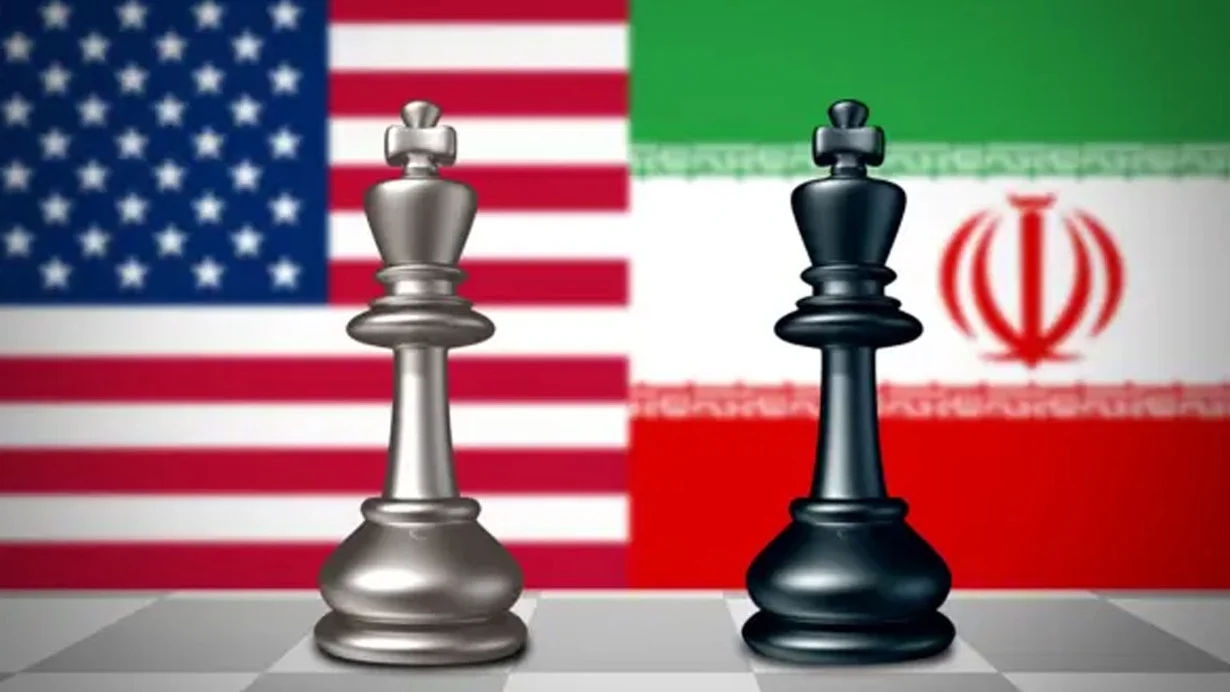
The leadership of the European Union has highly praised the two-week ceasefire agreement reached between the United States and Iran. According to Operative Information Center-OMM, European Commission President Ursula von der Leyen and the EU High Representative for Foreign Affairs and Security Policy Kaya Kallas welcomed this significant de-escalation step, issuing official statements on their respective accounts on the X social media platform.
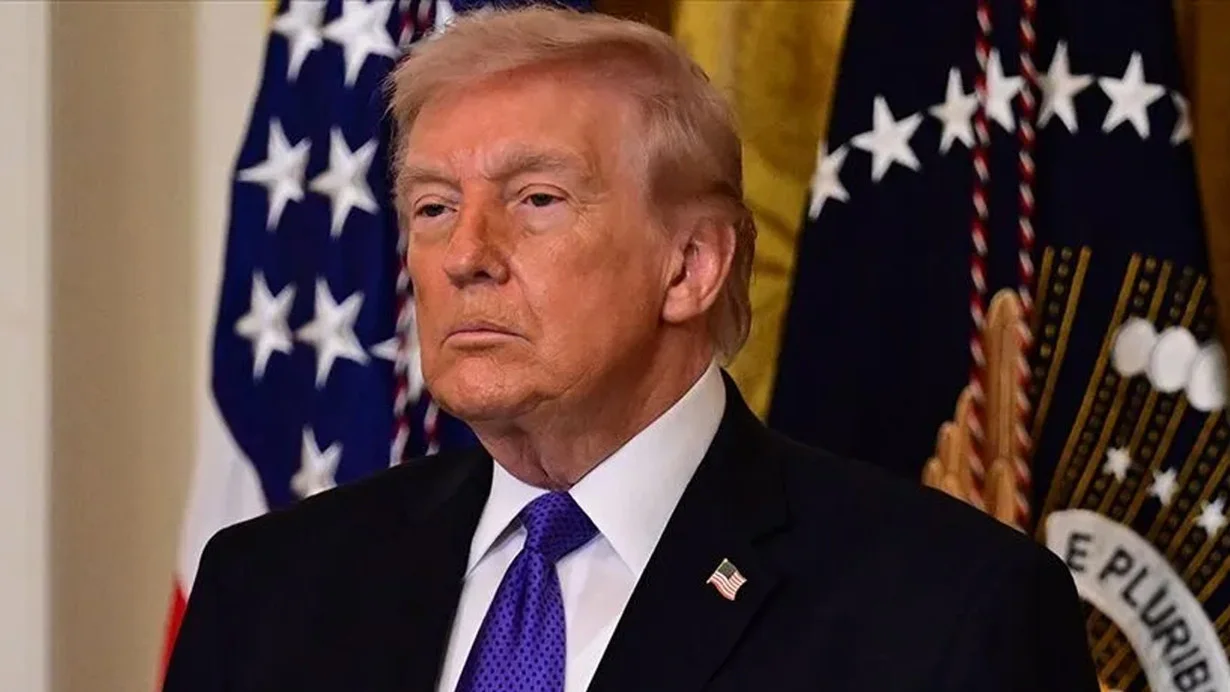
Ursula von der Leyen stated that the ceasefire facilitates necessary de-escalation and expressed gratitude to Pakistan for its mediation efforts. According to the Commission President, it is now vital to continue negotiations to achieve a sustainable resolution to the conflict. She also noted her intention to coordinate efforts with EU partners throughout this process. This diplomatic breakthrough follows intensive discussions involving US President Donald Trump's administration, which has sought to stabilize regional maritime routes and reduce direct military confrontations.
Kaya Kallas, for her part, described the agreement as a crucial step back from a dangerous threshold following weeks of escalation. She emphasized that the ceasefire creates new opportunities for risk reduction, the cessation of missile strikes, the restoration of shipping, and the advancement of diplomacy. Kallas specifically noted that the Strait of Hormuz must be fully reopened for passage. The EU's top diplomat thanked the Foreign Minister of Pakistan for assistance in reaching the preliminary deal, adding that while root causes remain, mediation channels must stay open: "The EU is ready to support these efforts and is in contact with regional partners. I will discuss this matter today in Saudi Arabia."
The ceasefire comes at a critical time for global energy security, as the Strait of Hormuz remains one of the world's most vital oil transit chokepoints. International observers note that the involvement of Pakistan as a mediator highlights a shifting diplomatic landscape in the Middle East. The European Union has consistently advocated for maritime stability in the Persian Gulf, viewing the security of trade routes as a priority for both regional peace and global economic stability.