 Afət Ziyadqızı

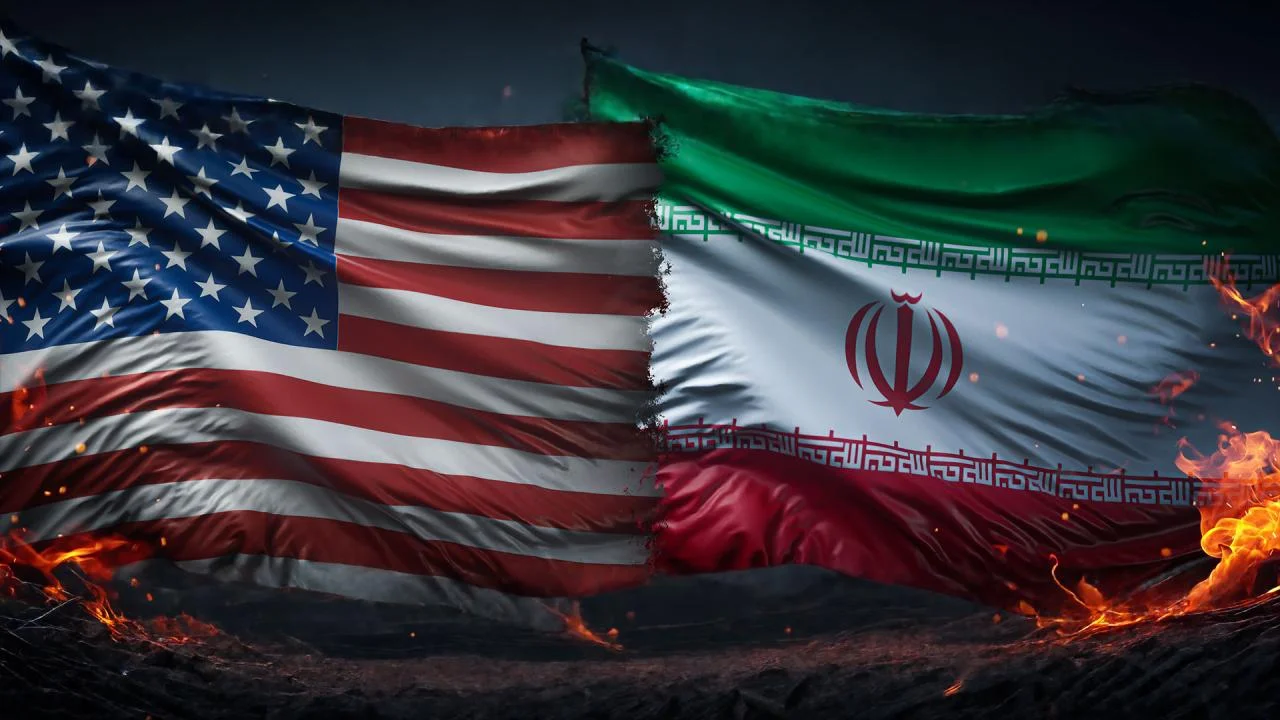
The spokesperson for the Iranian Ministry of Foreign Affairs, Esmail Baghaei, has stated that participants in the talks held in Bürgenstock, Switzerland, had initially reached a decision to establish a specific mechanism to ensure the safe passage of vessels through the Strait of Hormuz.
According to the Operative Information Center-OMM, citing reports from TASS, these intense discussions between the United States and Iran yielded significant preliminary progress before facing a sudden breakdown.
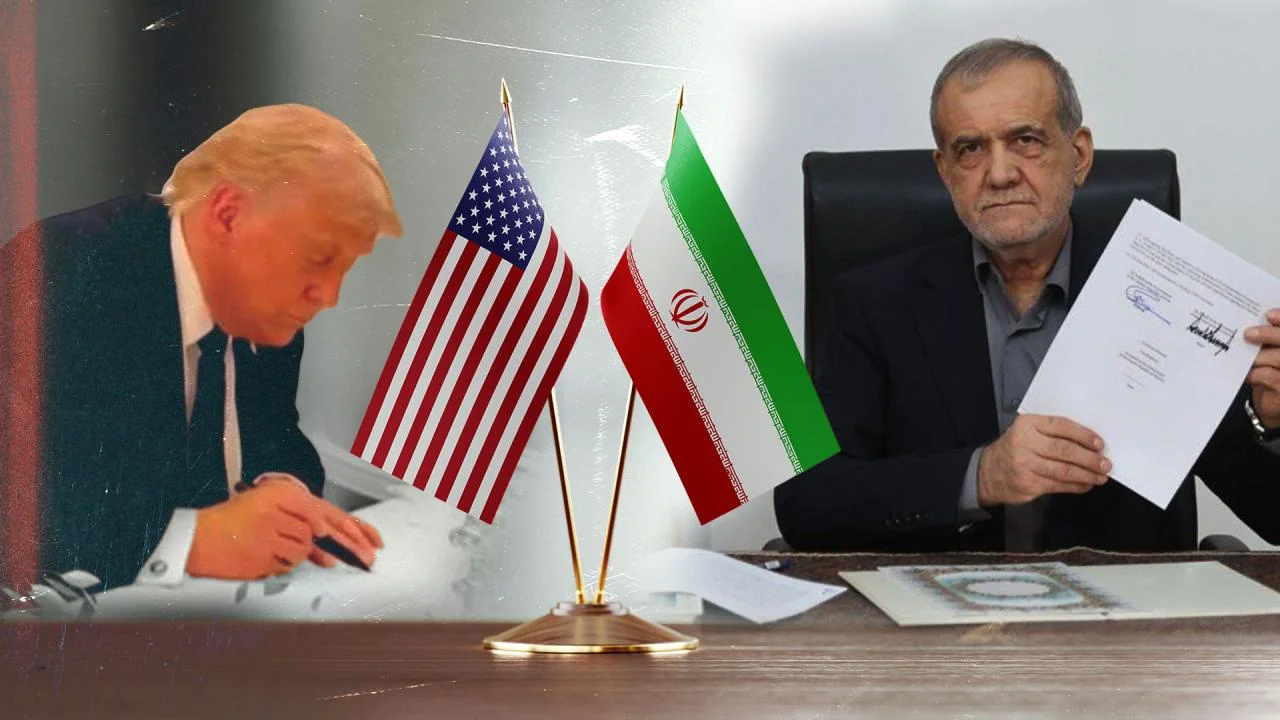
Despite the initial breakthroughs, statements made by US President Donald Trump have severely impacted the trajectory of the negotiations. According to spokesperson Baghaei, the Iranian delegation has concluded its current phase of talks with the US. It was reported that the parties were preparing to present the text of agreements and a final document reached during 18 hours of intensive discussions. With the mediation of Qatar and Pakistan, Tehran had reached agreements on several critical issues, including oil exports and the unfreezing of Iranian assets. Iranian Foreign Minister Abbas Araghchi confirmed this progress on the X social network.
However, Baghaei emphasized that for Tehran to proceed to a final agreement with the US, key conditions remain: the issuance of licenses for the sale of Iranian oil, the return of frozen assets, and a complete cessation of military operations on all fronts, including Lebanon. The Iranian side specifically demands that Israel strictly adhere to its ceasefire obligations.
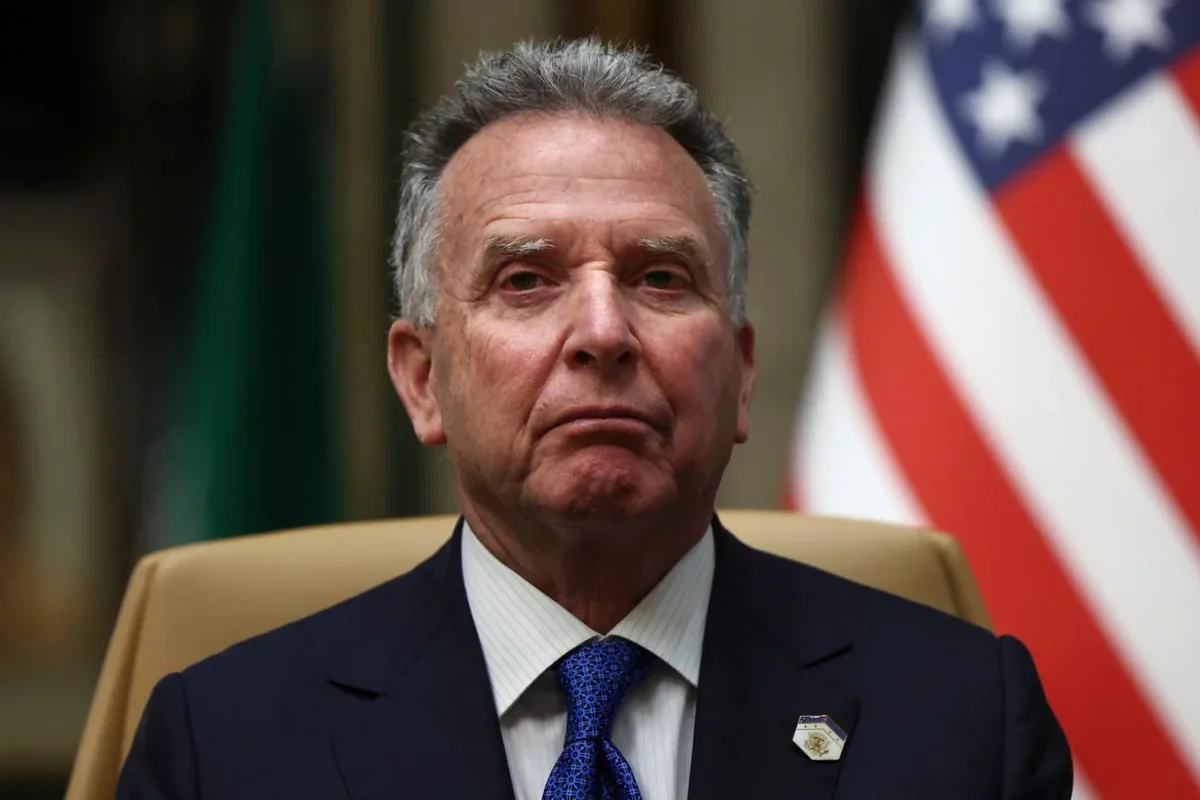
A US official, speaking on behalf of the American delegation during a press conference alongside US Vice President J.D. Vance, noted that the four-party talks in Switzerland allowed for the clarification of "certain misleading signals" from Iran regarding the Strait of Hormuz. The diplomat stated that the consultations focused on conflict prevention mechanisms to ensure the strait remains fully open for shipping, as well as adherence to the ceasefire in southern Lebanon.
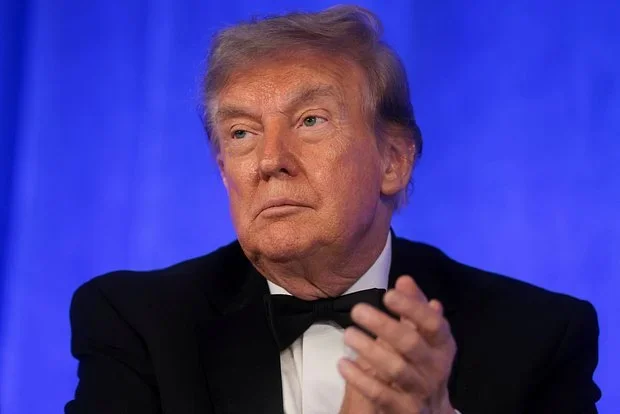
The situation shifted dramatically when US President Donald Trump posted a threat on the "TruthSocial" network, suggesting that American forces might launch new military strikes against Iran due to the situation in Lebanon.
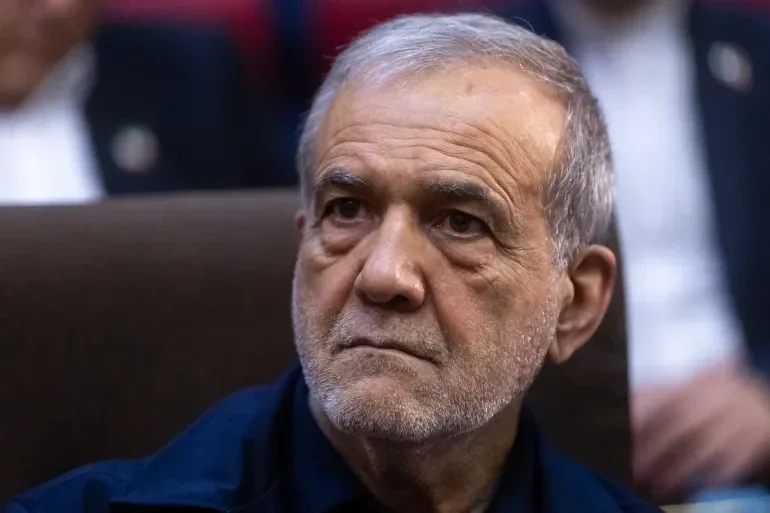
According to reports from Iranian media outlets such as Press TV, Al-Alam, and Tasnim, the Iranian delegation protested these statements, left the venue where the memorandum talks were being held, and halted the process entirely. The head of the delegation in Switzerland, Parliament Speaker Mohammad Bagher Ghalibaf, advised the American side to be more cautious in its statements regarding threats against the Islamic Republic.
The television channel Al-Mayadeen noted that Tehran will not return to the negotiating table until the US side apologizes for these threats. Currently, the parties are only exchanging messages through Qatari and Pakistani intermediaries. According to the latest information, technical consultations previously scheduled for June 22 are not expected to proceed due to the current escalation.
The Bürgenstock talks were intended to serve as a critical diplomatic bridge between Washington and Tehran, aiming to de-escalate regional tensions that have persisted for decades. The Strait of Hormuz remains one of the world's most vital maritime chokepoints, through which a significant portion of the global oil supply passes daily, making any disruption in this area a matter of international economic security.