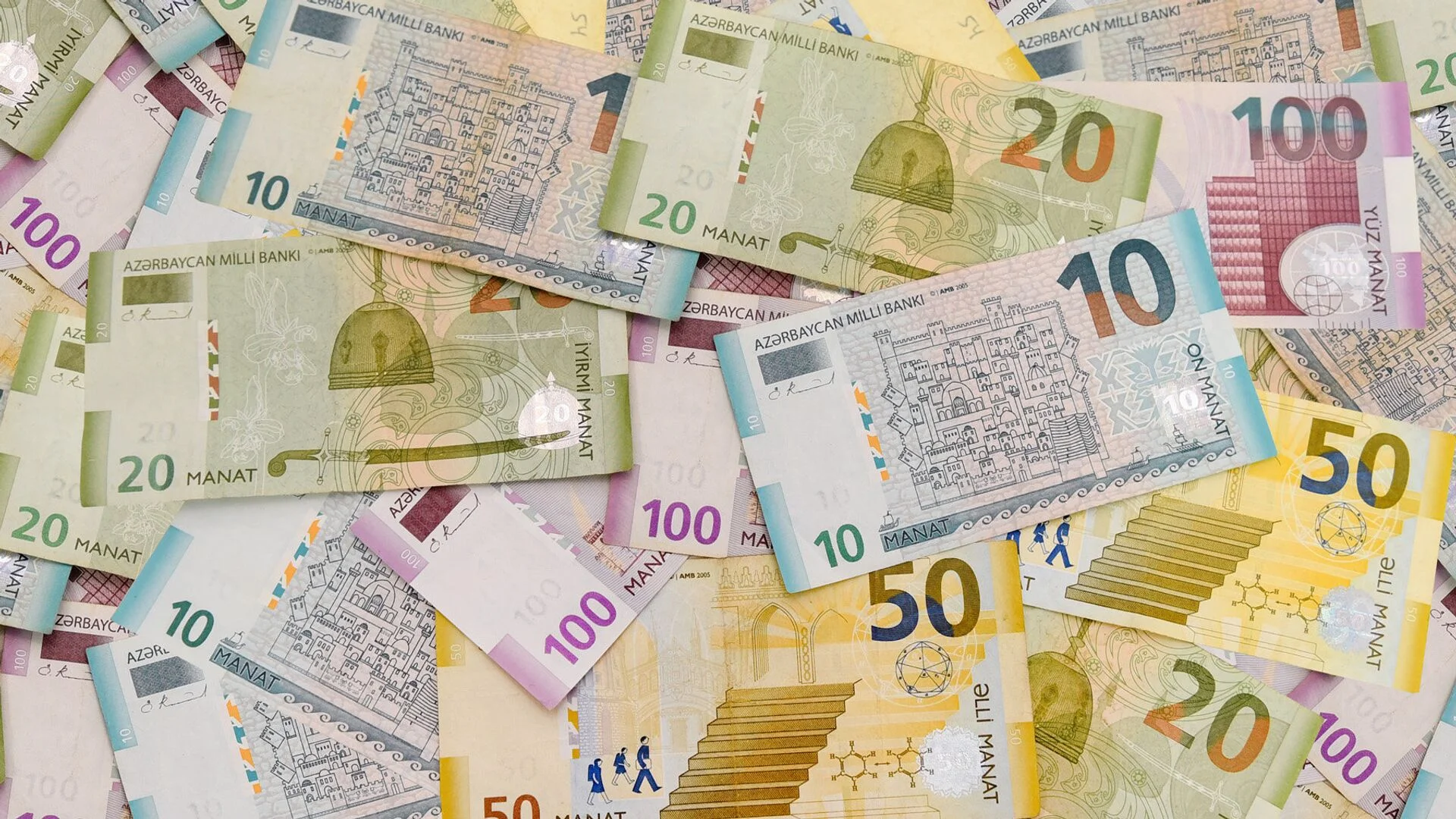
The issue of increasing wages has returned to the spotlight in Azerbaijan amid recent price hikes for food and non-food products, fuel, and medicines. While some economists suggest that indexing salaries and implementing a 9–10 percent increase is both possible and necessary under current conditions, experts are weighing whether the real economic situation allows for such measures.
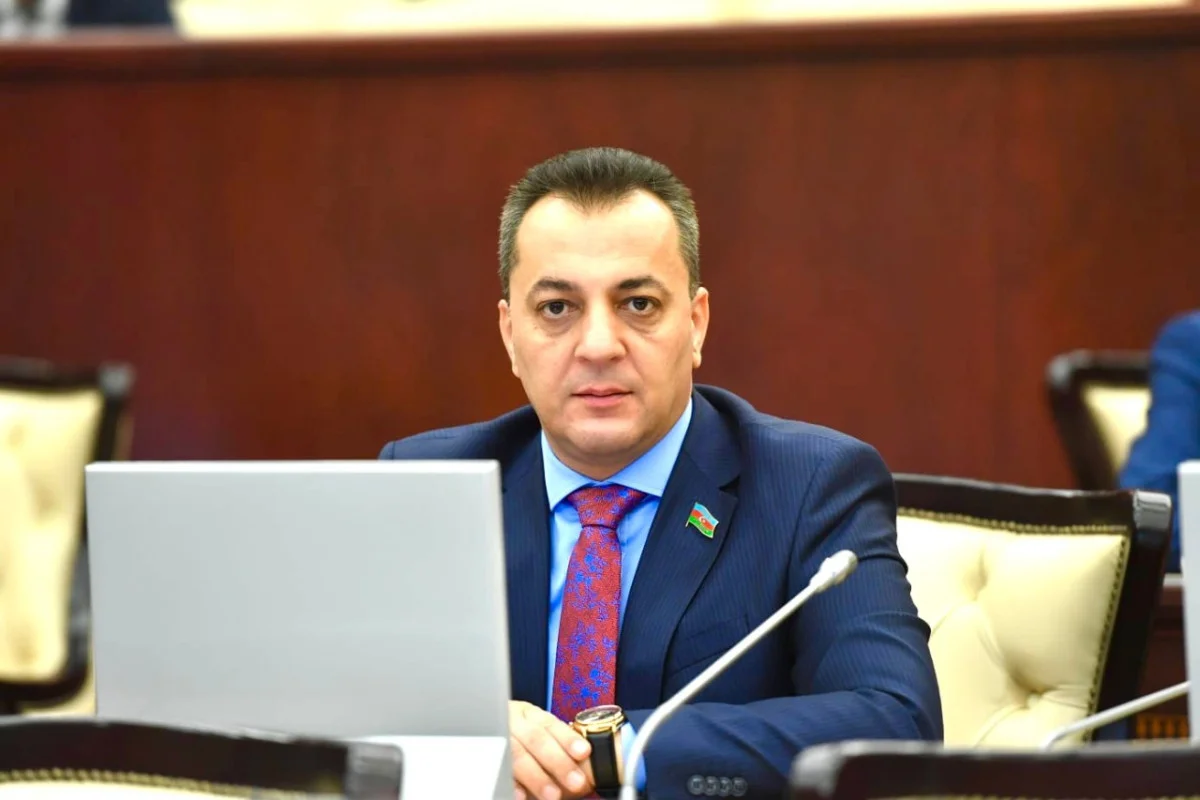
Economist Khalid Kerimli, in a statement to Operative Information Center-OMM, noted that while the idea of raising wages is attractive, the primary concern remains the source of funding for such increases.
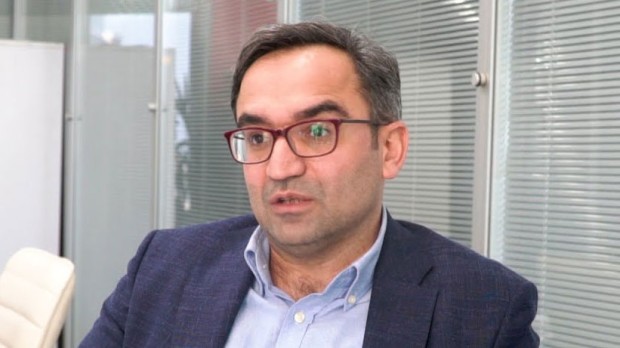
According to the expert, it is easy to advocate for higher living standards, but sustainable growth requires real income sources to support these adjustments.
"We must earn that money. We need to export goods to the global market to generate the revenue necessary to pay higher wages. Currently, 85–90 percent of exports consist of oil and gas. These revenues are primarily directed to the State Oil Fund and then transferred to the budget. However, oil production has been declining in recent years, leading to a decrease in inflows to the State Oil Fund," Kerimli emphasized.
The economist pointed out that the government has not increased the minimum wage for 2026, and no significant reserves have been identified for salary hikes within budget-funded organizations. This fiscal caution reflects a broader strategy to maintain macroeconomic stability in the face of fluctuating energy prices.
"The price of oil is projected at a maximum of $65 in the budget. However, forecasts suggest prices could fall below this level, meaning there may be no additional budget revenues," he added.
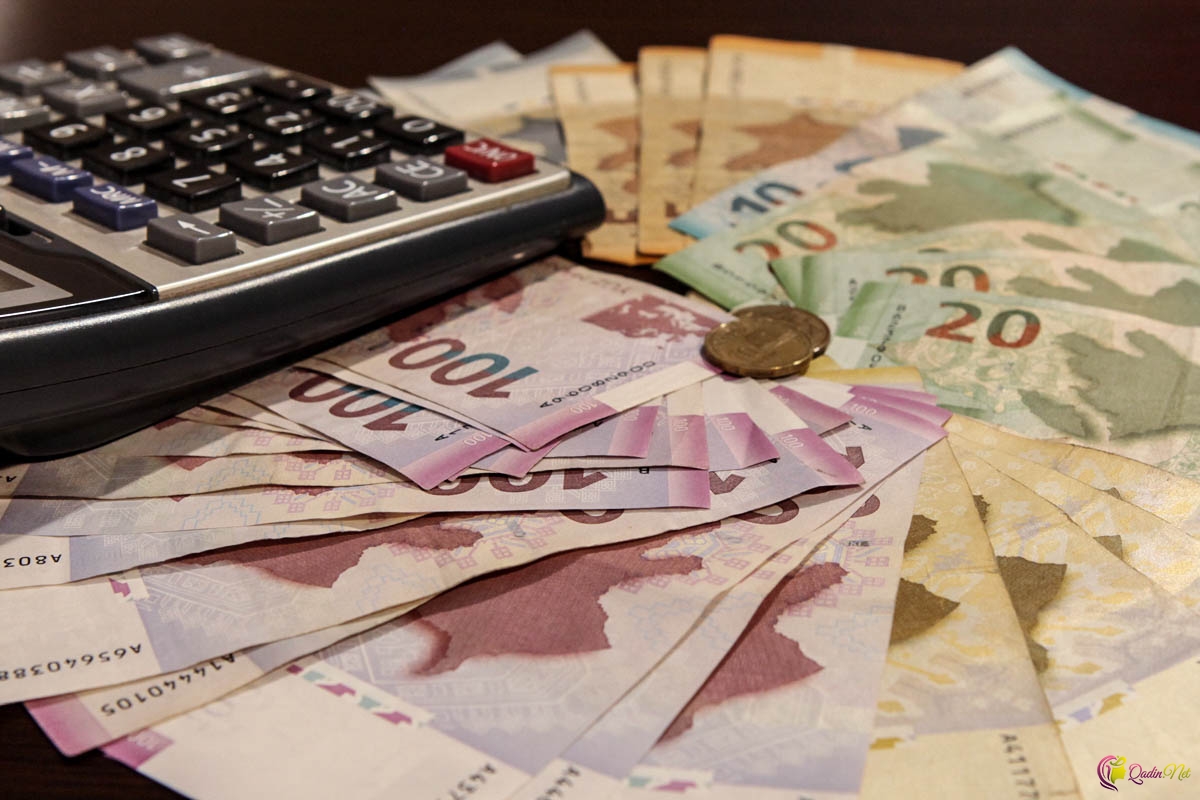
Under these circumstances, Kerimli believes that a massive and sharp increase in wages is not realistic. He argued that if economists propose a 9–10 percent hike, they must specify the exact financial source: "Who will provide it, and through what means?"
Regarding the private sector, the expert noted that wage increases depend largely on labor market activity. In Azerbaijan, the private sector employs approximately 52 percent of the workforce, while 48 percent are employed in the public sector.
"The private sector seeks to acquire raw materials and labor as affordably as possible. However, when competition arises in the labor market and employees move toward higher-paying offers, employers are forced to raise wages. This requires economic activity and revenue growth," he noted.
Kerimli stated that based on general government forecasts, an average wage increase of approximately 7 percent or slightly more could occur during 2026. This potential growth is tied to market conditions, the opening of new jobs, and the demand for labor rather than administrative decrees.
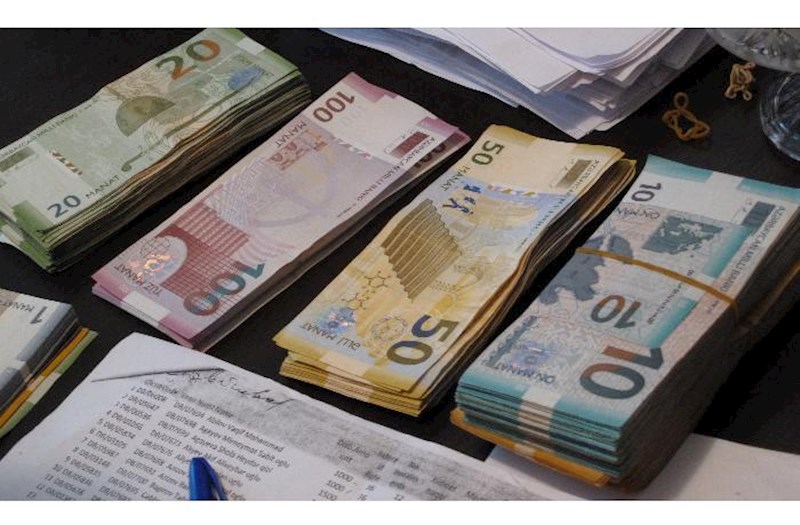
"This increase will mainly depend on the situation in the labor market, economic activity, the opening of new jobs, and the demand for labor," he stressed.
In conclusion, Kerimli maintains that the economic grounds for a sharp and sustained increase in wages remain weak in the near term. He emphasized that wage growth is tied to the strength of the economy rather than individual desires.
In Azerbaijan, the Cabinet of Ministers and the Ministry of Economy regularly review social welfare packages to balance public demand with fiscal responsibility. Historically, the government has utilized social packages to mitigate the impact of inflation, but these are often calibrated against the performance of the non-oil sector and global energy market trends. As the country continues its economic diversification efforts, the link between productivity and compensation remains a central theme in national policy discussions.
Ultimately, the map of future wages is drawn by indexation, budget planning, and market activity. The question remains whether economic growth can be accelerated to realize these increases or if the current cautious approach will prevail.