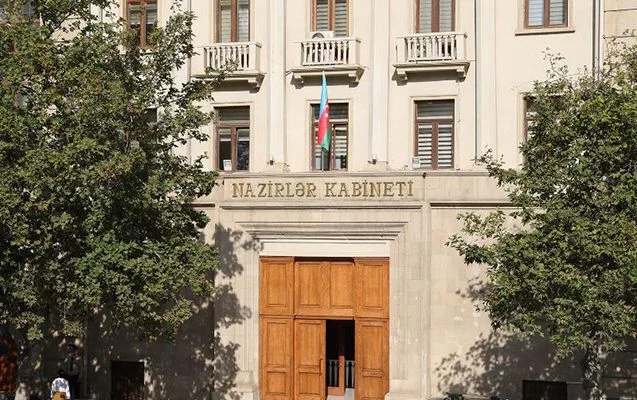
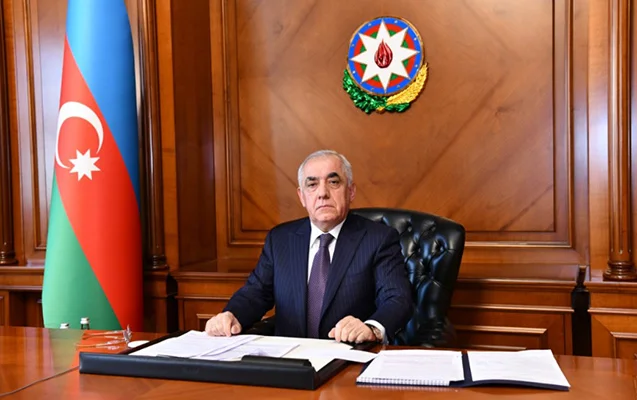
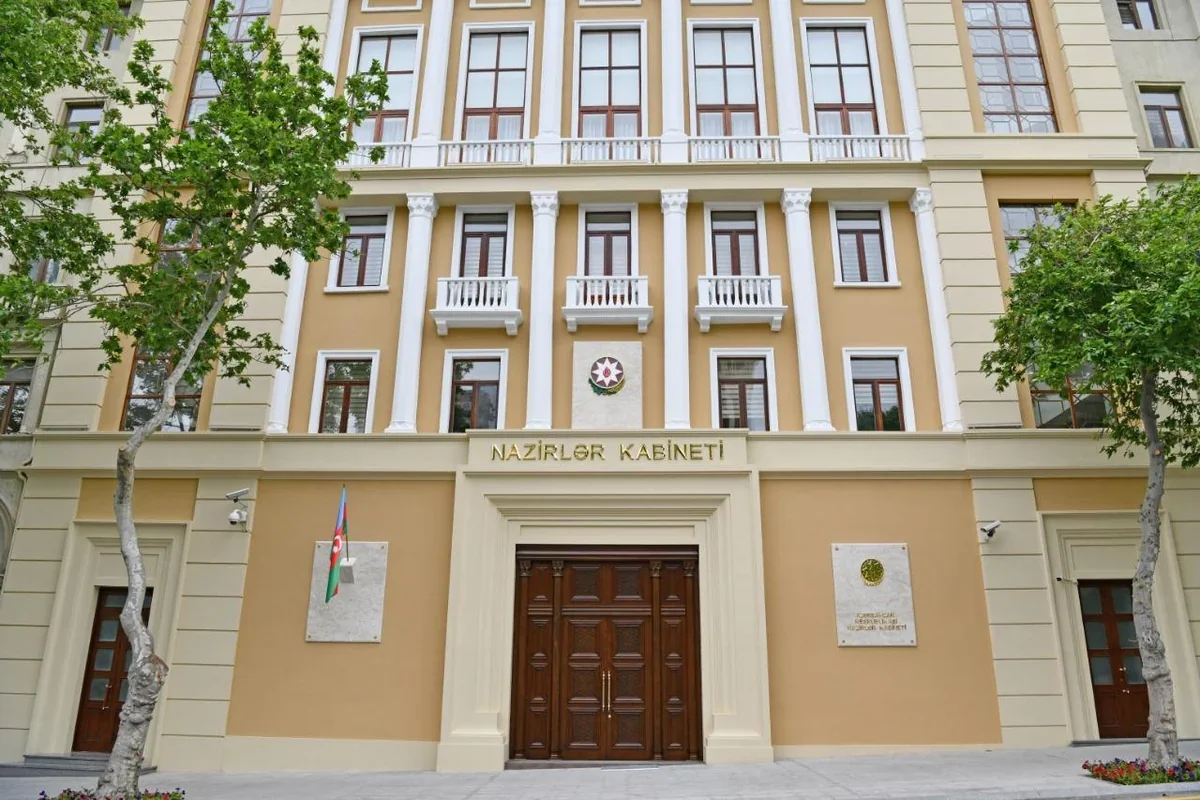
The Cabinet of Ministers of the Republic of Azerbaijan has introduced significant amendments to the "Rules for the preparation and application of strict reporting forms in accordance with the work characteristics of enterprises, organizations, and individuals engaged in entrepreneurship." According to the Operative Information Center-OMM, the decree formalizing these changes was signed by Prime Minister Ali Asadov.
Under the new regulations, strict reporting forms will generally be printed by authorized legal entities and individuals at the expense of the customers. However, the decree establishes key exceptions for several digital platforms and state-run systems. These include the Government Payment Portal created by the Central Bank of Azerbaijan, the "ASAN payment" information system operated by the "Innovations Center" LLC under the State Agency for Public Service and Social Innovations, and the centralized information systems of "Azerbaijan Airlines" CJSC (AZAL), "Azerbaijan Railways" CJSC, and "Azerpocht" LLC.
The amendments specify that the Central Bank of Azerbaijan will determine the accounting rules for extracts from the Government Payment Portal, subject to agreement with the Ministry of Finance. Similarly, the State Agency for Public Service and Social Innovations (ASAN Service) will regulate the accounting for "ASAN payment" extracts, while the Ministry of Digital Development and Transport will oversee the accounting for systems belonging to AZAL, Azerbaijan Railways, and Azerpocht. These measures are designed to create a more flexible and transparent regulatory mechanism for financial documentation in Azerbaijan.
In Azerbaijan, strict reporting forms are essential documents used for financial accountability, particularly in sectors where cash transactions or specific service provisions occur. By integrating modern information systems like ASAN and the Government Payment Portal into the regulatory framework, the government aims to accelerate the digitalization of the economy and reduce bureaucratic hurdles for both state agencies and private entrepreneurs. This move aligns with Azerbaijan's broader strategy to enhance fiscal transparency and modernize its national financial infrastructure.