OMM Redaksiyası

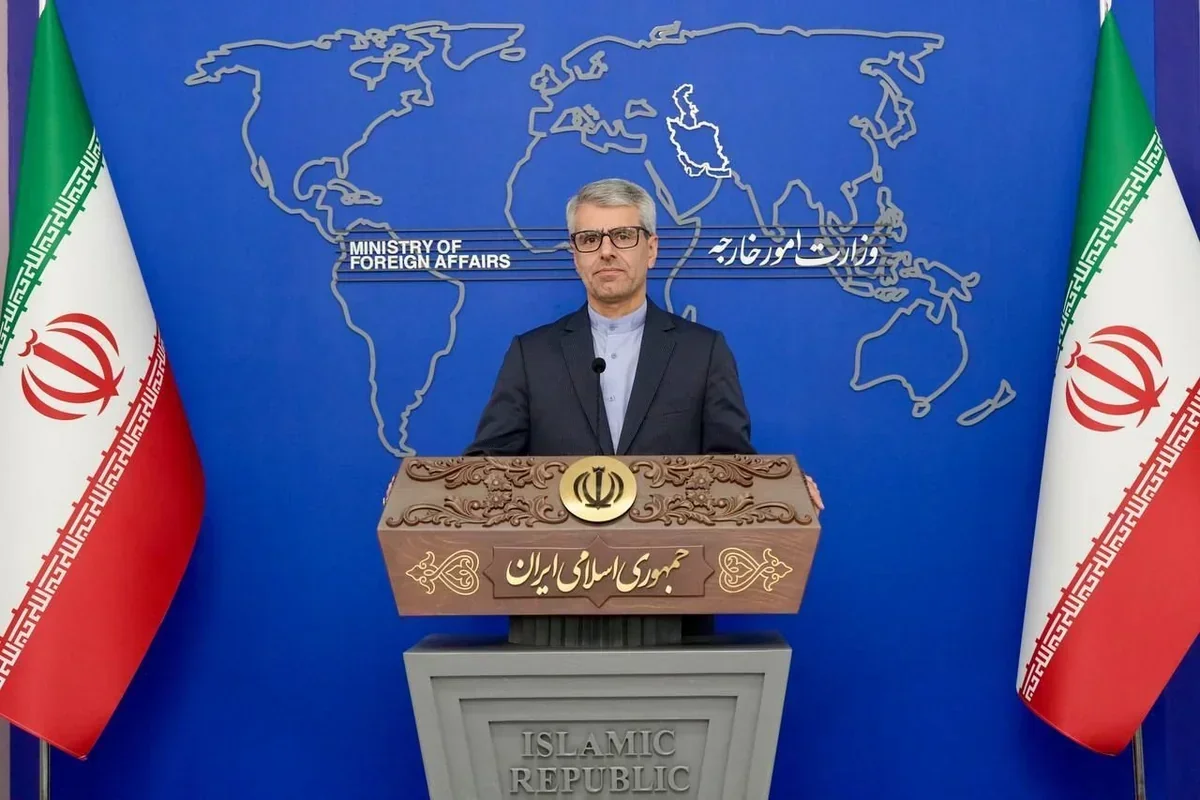
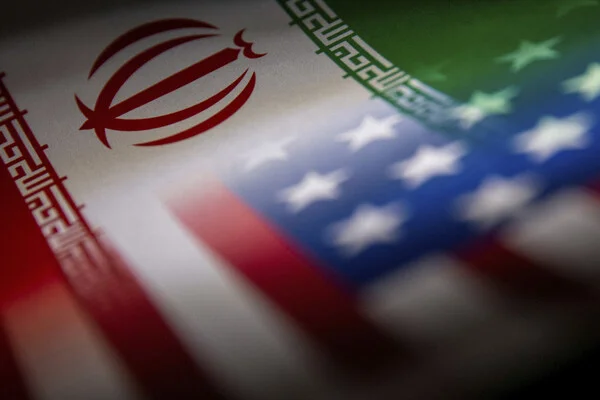
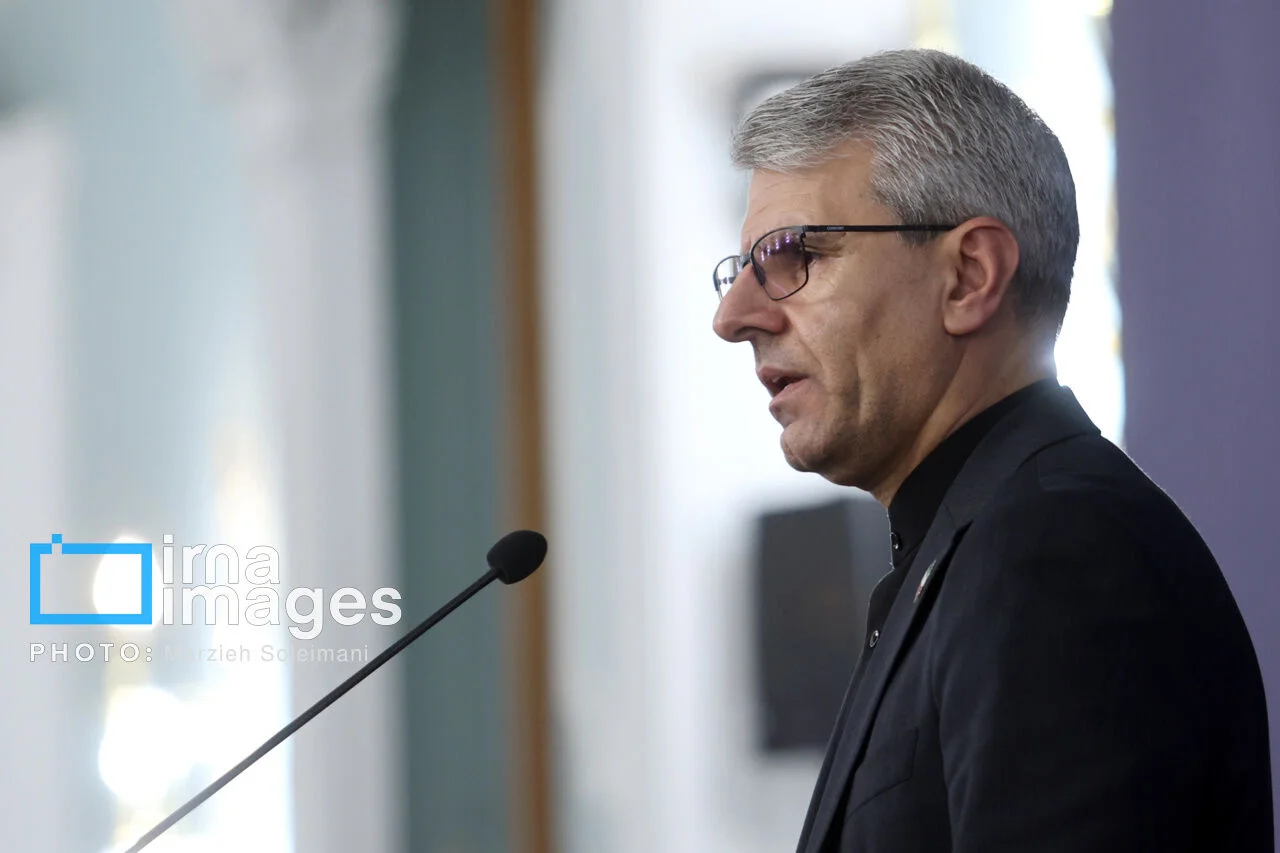
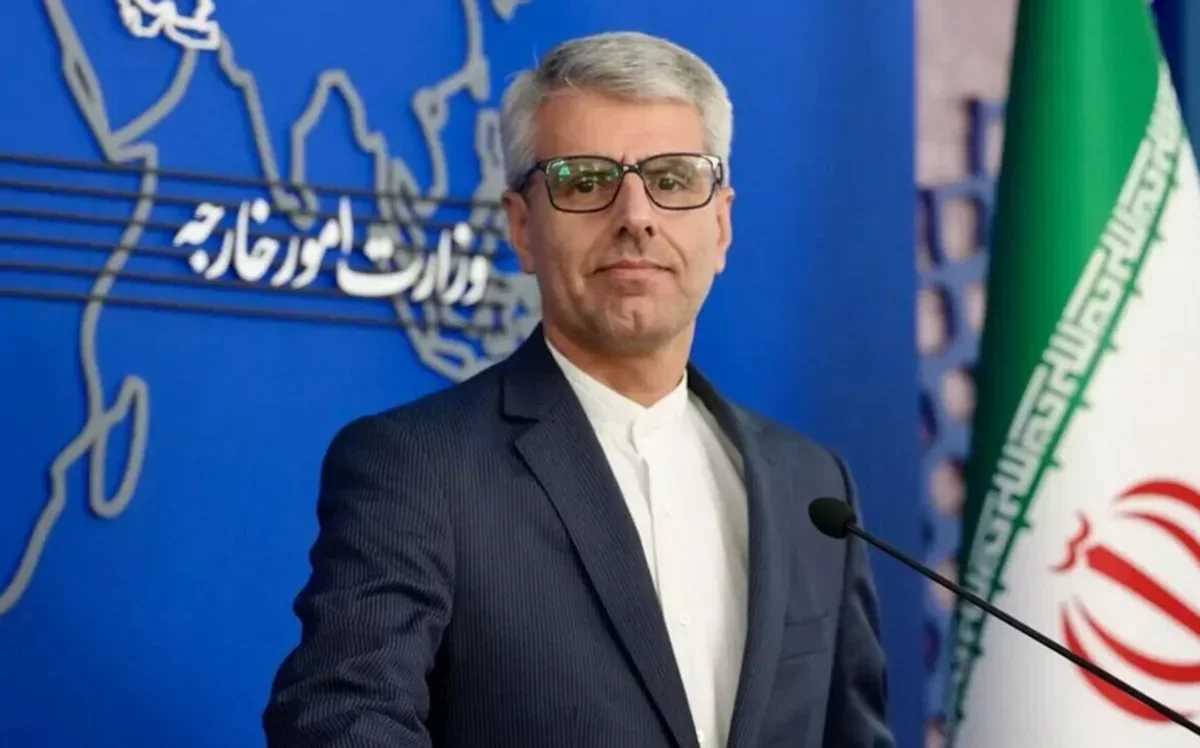
"Washington is putting forward excessive demands during indirect negotiations," stated Iranian MFA spokesperson Esmaeil Baghaei. According to the Operative Information Center-OMM, the official confirmed that Iran received a response from the United States through Pakistani mediators, but noted that the document's analysis would be complicated by Washington's current position.
Baghaei emphasized that the White House's approach often involves illogical conditions that hinder diplomatic progress.
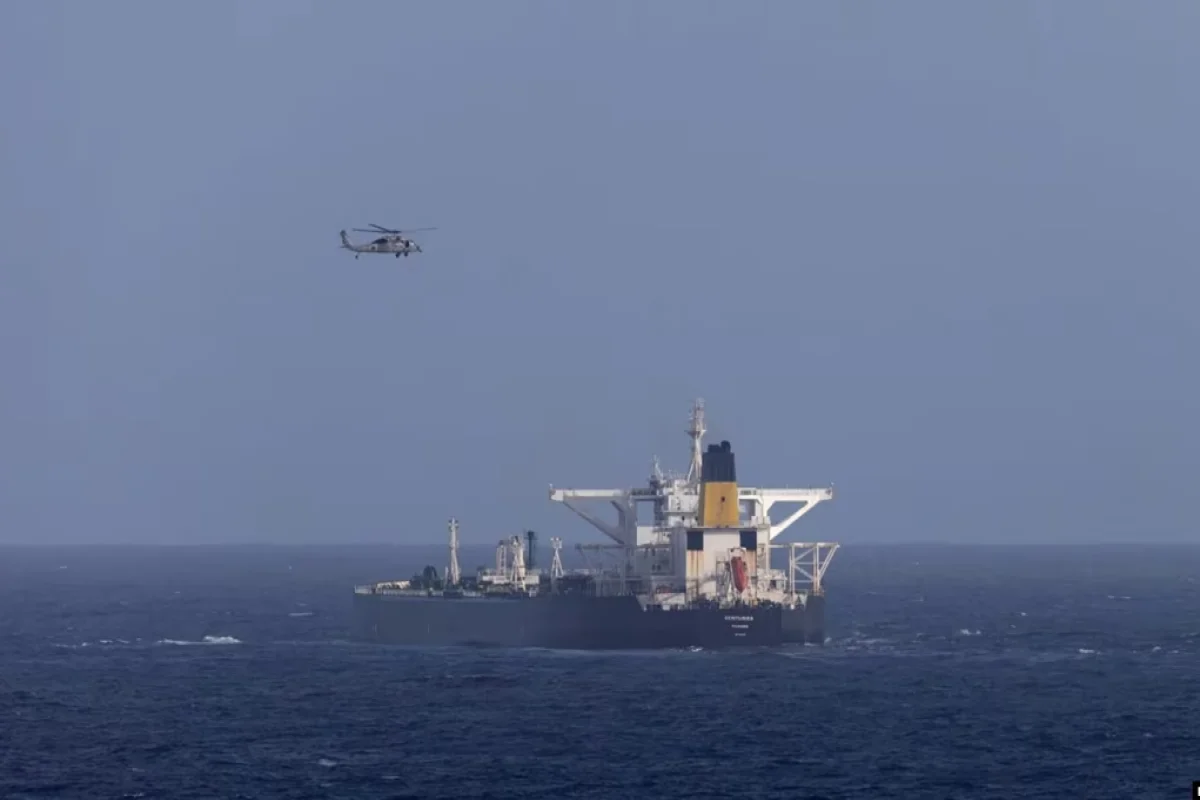
he noted. The Iranian representative also touched upon the situation in the Persian Gulf, asserting that Iran has always been a guarantor of security for this vital maritime route, attributing recent chaos to military aggression by the administration of US President Donald Trump and the "Zionist regime."“We received the US message through Pakistan. I do not want to go into details now because the issues are still in the research stage. However, considering the American side's habit of making excessive demands and setting irrational conditions, studying this response will not be easy,”
The use of third-party mediators like Pakistan is a long-standing practice in the absence of direct diplomatic ties between Tehran and Washington. The Strait of Hormuz, mentioned by the spokesperson, is one of the world's most strategically important oil transit points, with a significant portion of global petroleum passing through it daily. Tensions in these waters often have immediate impacts on global energy markets, making the security of the region a primary concern for international stakeholders and regional powers alike.