While the United States maintains the technical and military capability to launch strikes against Iran, several strategic factors are currently preventing Washington from taking such a step. According to Operative Information Center-OMM, citing foreign media, political analyst Malek Dudakov evaluated potential scenarios in a recent interview regarding the escalating tensions in the Middle East.
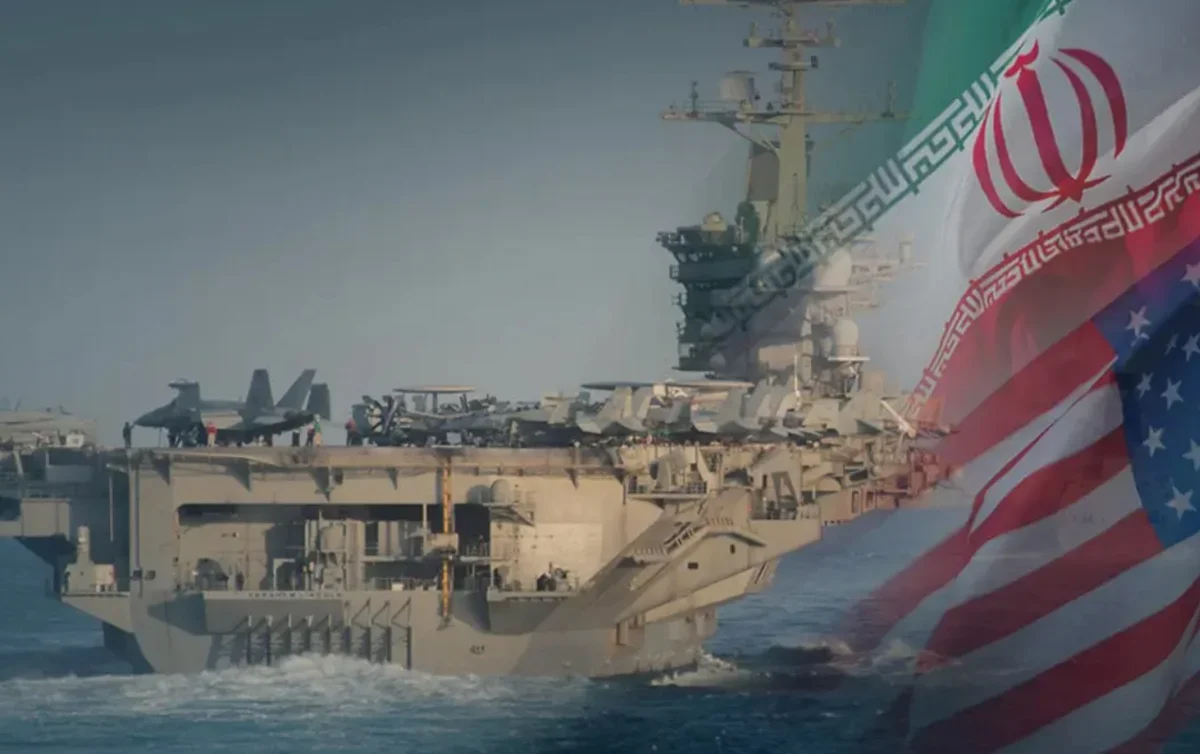
Reports indicate that the US military command has completed the deployment of additional forces to the Middle East ahead of potential negotiations with Tehran. Currently, one aircraft carrier strike group is stationed in the Persian Gulf, while another, the USS Gerald R. Ford, is being deployed to the Mediterranean Sea. According to the expert, these forces will primarily serve as a sea-based air defense shield to ensure the protection of Israel.
Dudakov outlined the primary constraints facing the US administration:
"There is a serious shortage of missile interceptors for THAAD and sea-based air defense systems. Replenishing these stockpiles could take three to five years. Furthermore, any retaliatory strikes by Iran against US bases could result in significant casualties, which would negatively impact the approval ratings of US President Donald Trump. More than 70 percent of the American public opposes a direct military conflict with Iran."
The analyst noted that the current military buildup is being utilized more as a tool of leverage to pressure Iran during diplomatic negotiations. However, if diplomatic channels fail to yield results, the possibility of a sudden US strike aimed at regime change cannot be ruled out. It should be noted that Iran has expressed readiness for a compromise on the nuclear deal in exchange for the lifting of economic sanctions.
The geopolitical situation remains fluid as US President Donald Trump continues to balance military deterrence with diplomatic pressure in the region. Historically, the relationship between Washington and Tehran has been defined by decades of tension, particularly regarding Iran's nuclear program and its regional influence. The involvement of major carrier strike groups underscores the strategic importance of the Persian Gulf and the Mediterranean in maintaining global energy security and regional stability for Azerbaijan and its international partners.