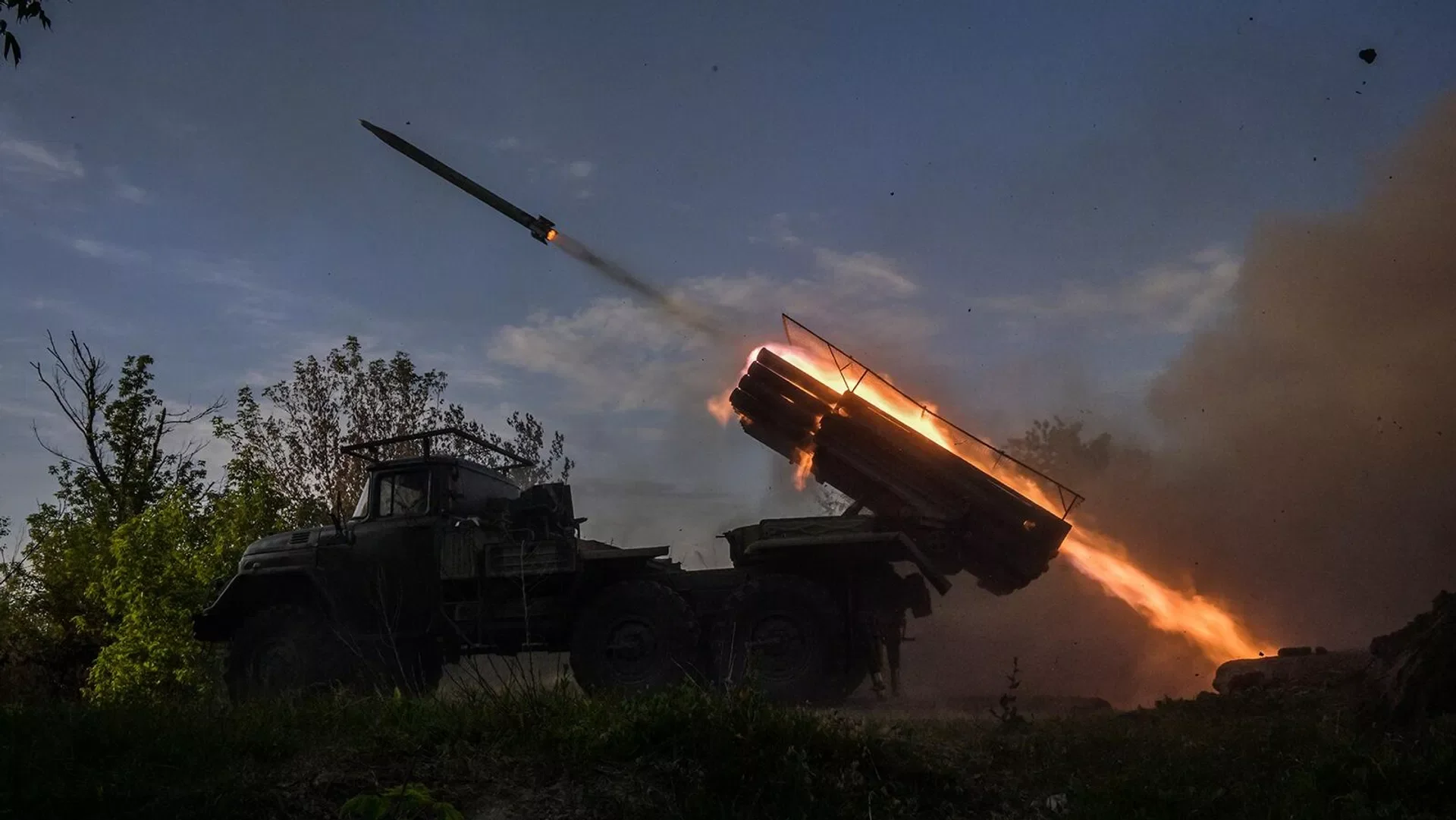
Recent warnings issued by US President Donald Trump against Iran have pushed regional tensions to a peak, with reports suggesting potential military action as early as this weekend.
Operative Information Center-OMM, citing foreign media outlets, reports that the Washington administration has already placed military intervention plans on the table.
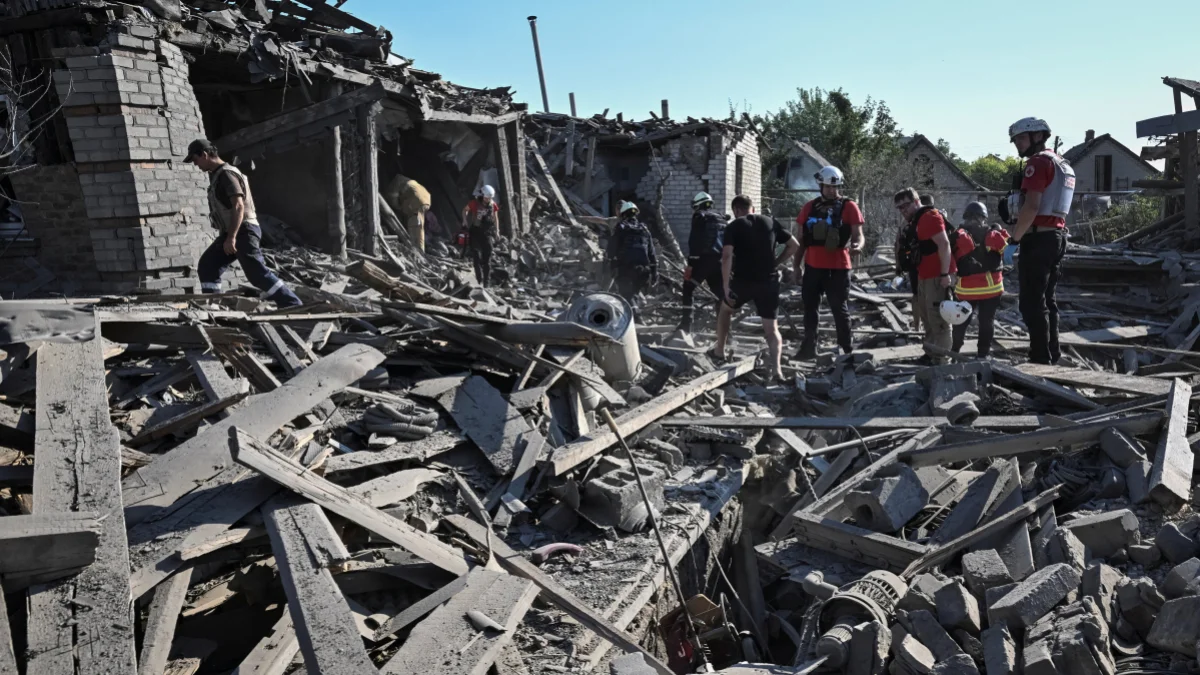
According to information released by the "Dropsite News" portal, citing high-ranking officials, US air strikes against Iran could begin as early as this Sunday. Sources indicate that the Trump administration has already informed one of its regional allies about the possible attack. The primary objective of the operation is allegedly not only to halt nuclear or missile programs but also to achieve regime change in Iran. According to a former intelligence official, targets include Iran's political leadership, military facilities, and strategic infrastructure projects.
CENTCOM issues stern warning
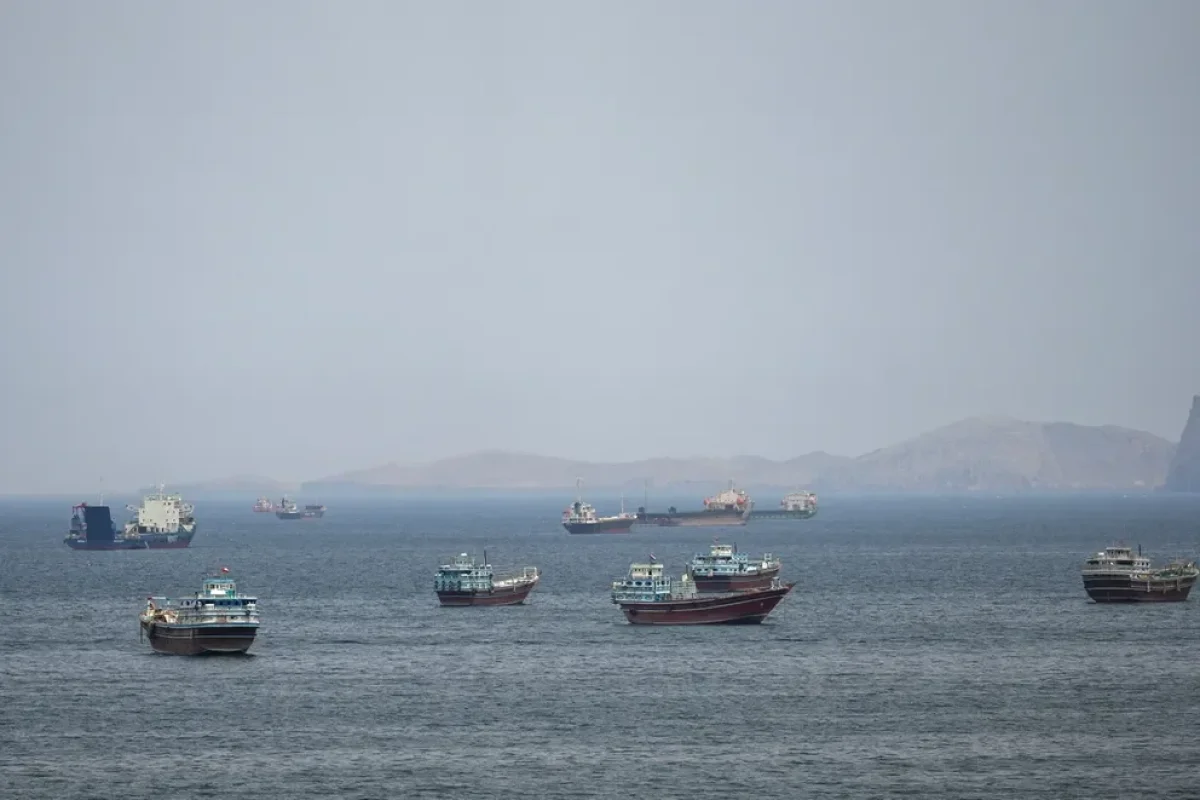
United States Central Command (CENTCOM) has issued a warning to Tehran amid Iranian exercises in the Strait of Hormuz. The command stated that any approach by the Islamic Revolutionary Guard Corps (IRGC) toward American vessels or any threatening maneuvers is unacceptable. CENTCOM emphasized that all necessary steps will be taken to protect international freedom of navigation.
Trump's "Armada" en route
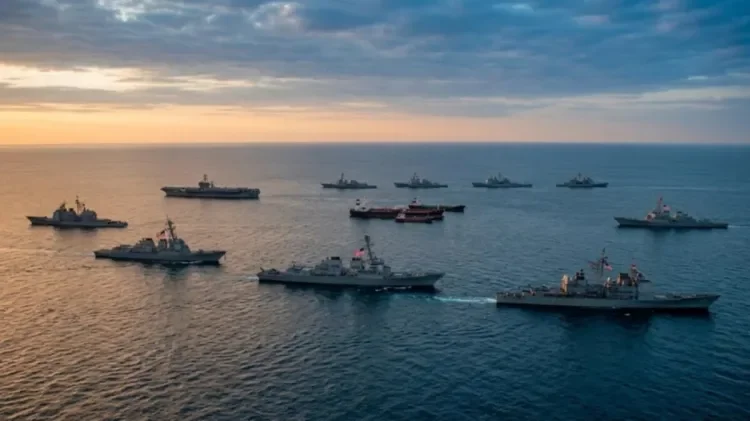
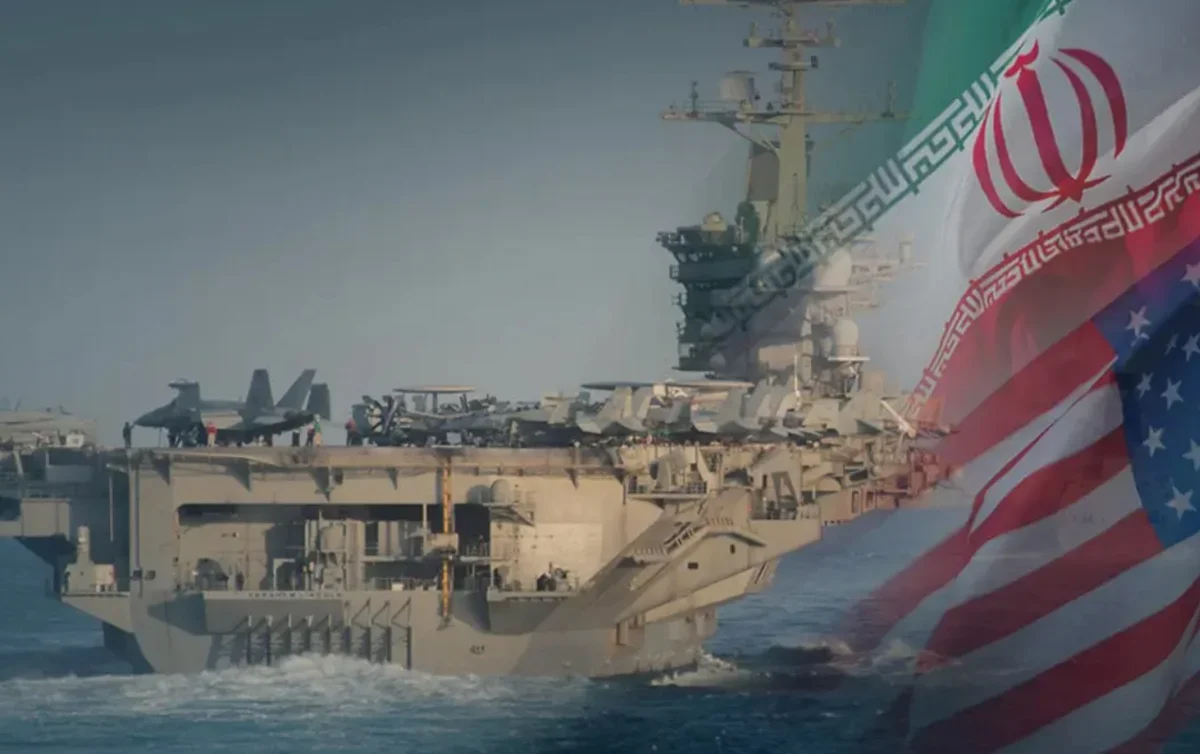
US President Donald Trump stated that if an agreement is not reached with Iran, the consequences will be severe. He noted that a massive fleet led by the aircraft carrier USS Abraham Lincoln is heading toward the Gulf and is ready for operations at any moment. According to Trump, this military force is larger and more powerful than the one previously sent to the coast of Venezuela.
Iran's response: "We will strike deep into Israel"
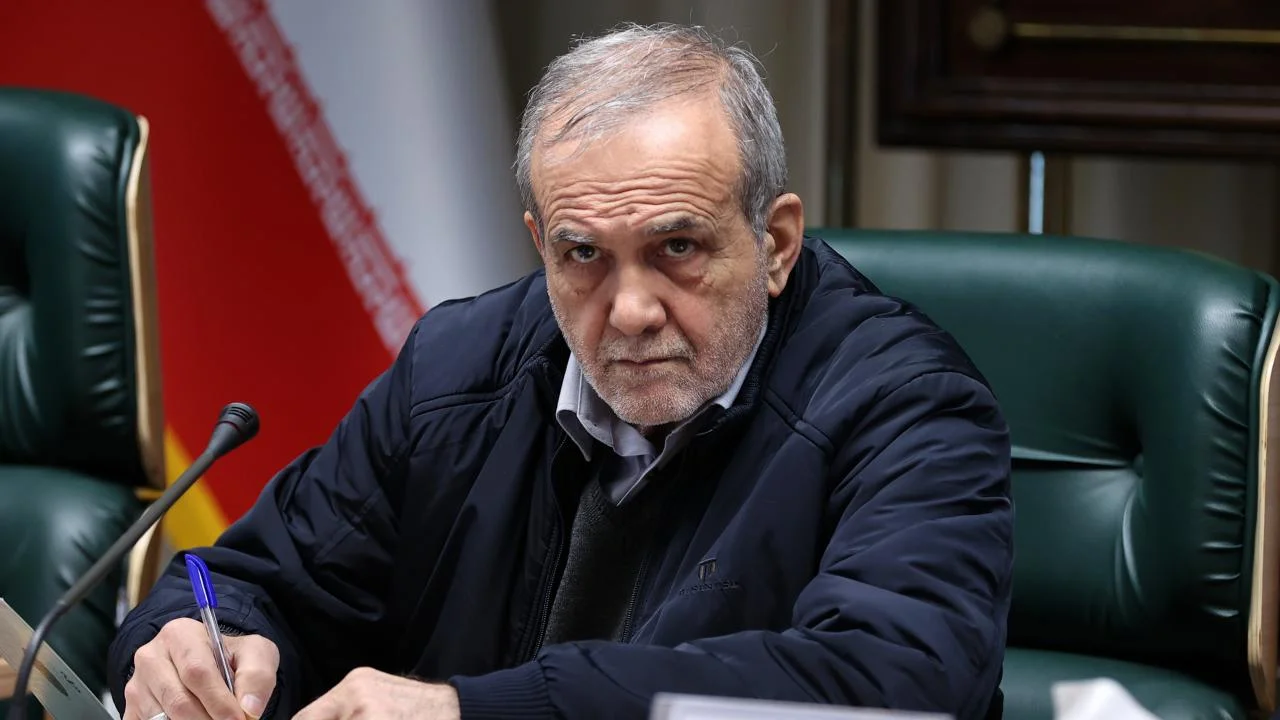
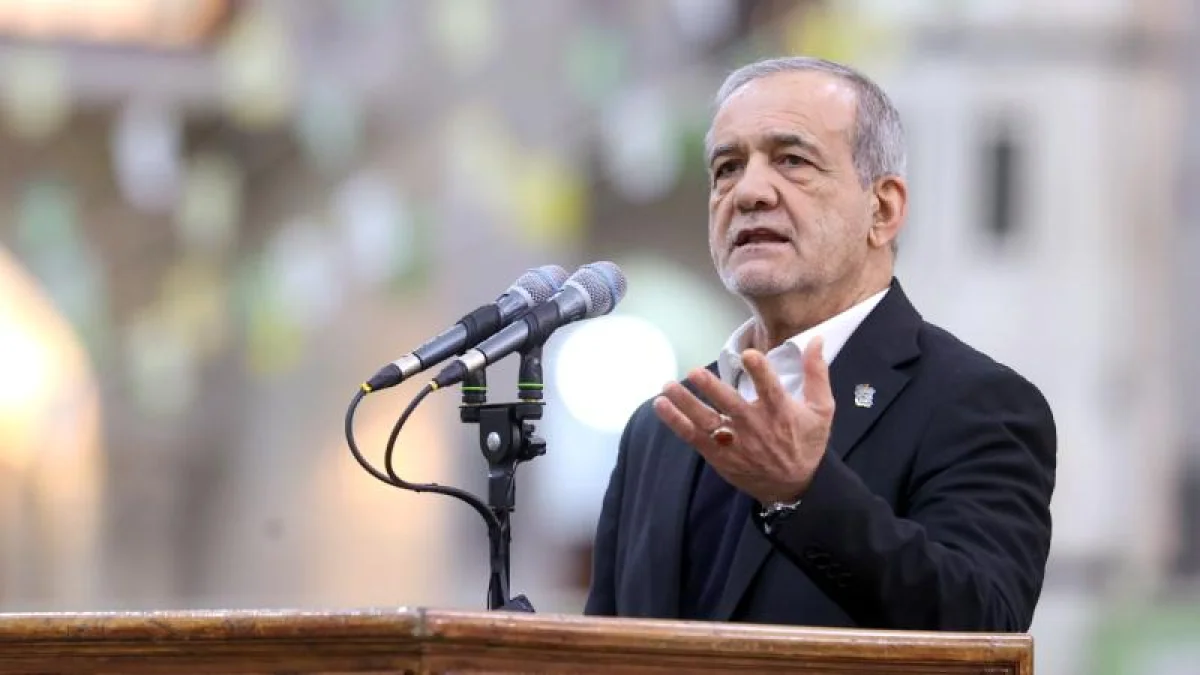
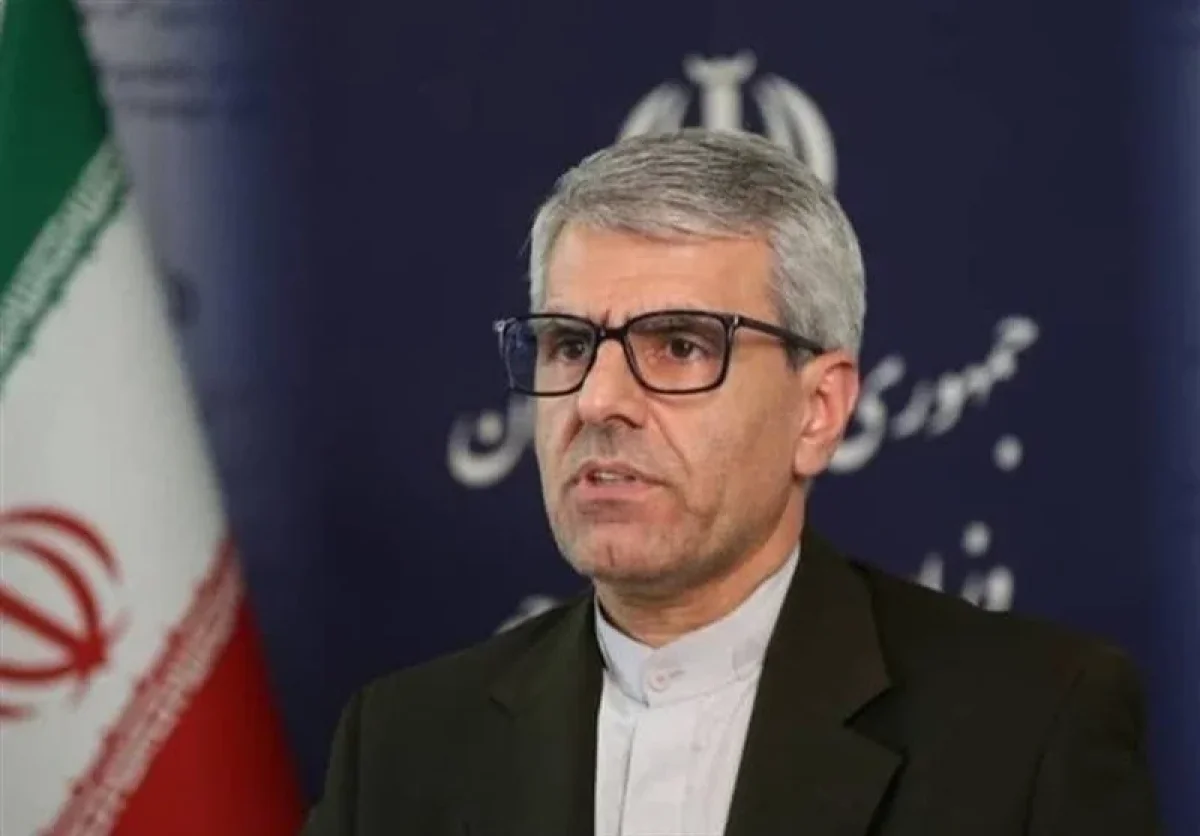
The Iranian side responded to the threats in a similar tone. Ali Shamkhani, an advisor to the Iranian leader, stated that if any act of aggression occurs, Tehran's response will be decisive, and these strikes could cover the internal territories of the "Zionist regime" (Israel). Shamkhani noted that they are aware of the enemy's plans and will strike strategic points to neutralize them.
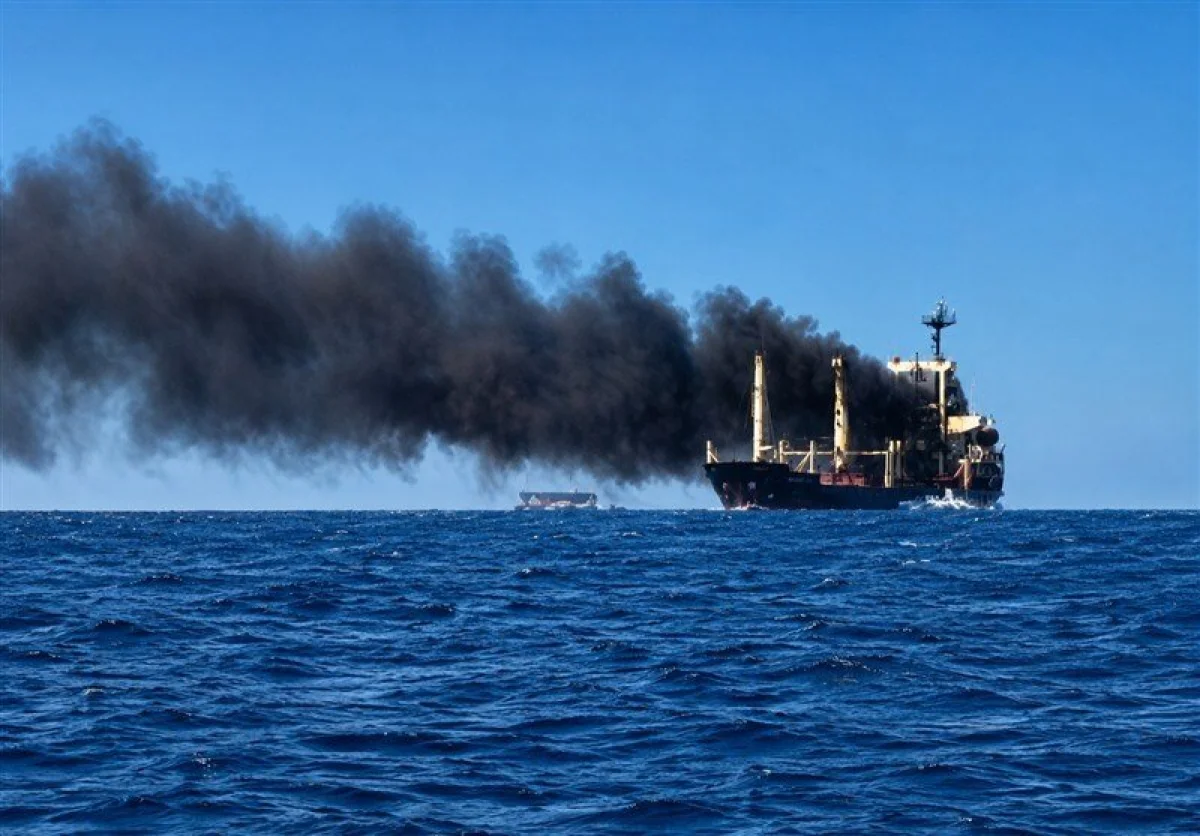
The Strait of Hormuz remains one of the world's most critical chokepoints for global energy supplies, with approximately one-fifth of the world's total oil consumption passing through the waterway daily. Tensions in this region often have immediate impacts on global energy markets and international maritime security, prompting heightened readiness from global powers to ensure the stability of trade routes in and out of the Persian Gulf.