Following the signing of a memorandum of understanding between the United States and Iran, at least 25 vessels have successfully transited the Strait of Hormuz. According to the Operative Information Center-OMM, this development was reported by The Washington Post, citing data from the analytics firm Kpler.
"On Thursday, 25 ships passed through the Strait of Hormuz. While this represents only a portion of the vessels that had been stranded in the region, it marks the highest number of daily transits in over two weeks and one of the highest daily figures since the onset of the conflict," the publication noted.
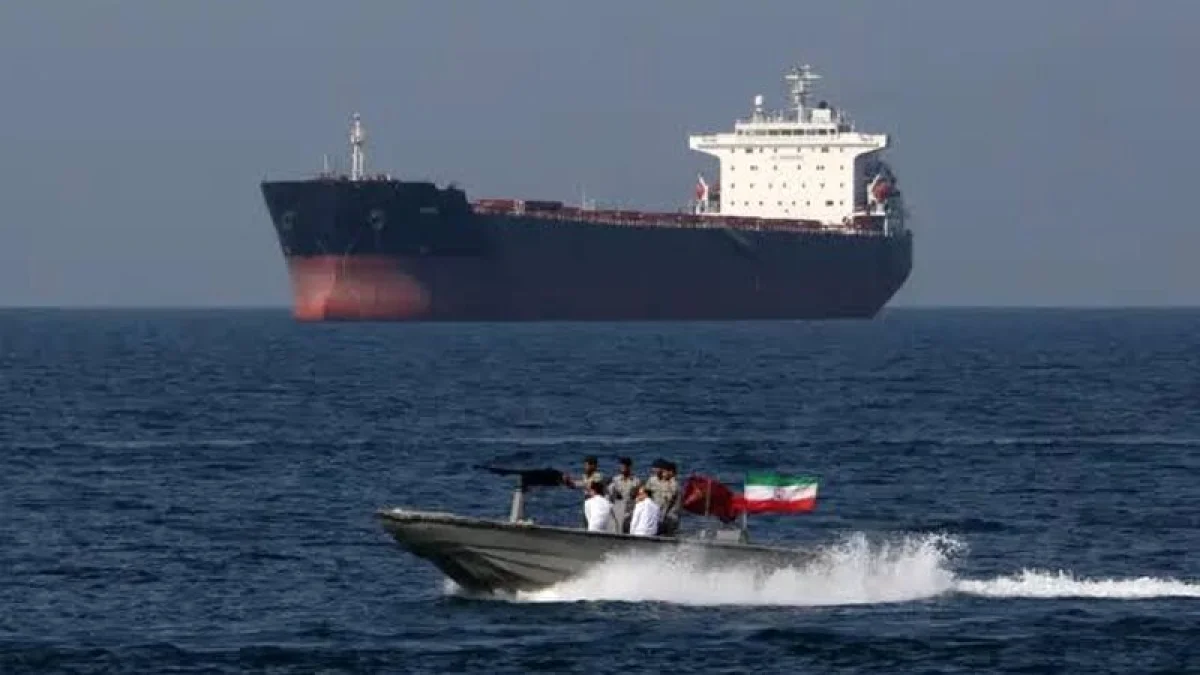
Citing data from the tracking firm TankerTrackers, the newspaper reported that approximately 18 million barrels of oil have departed from Iranian ports and anchorages over the past five days. Furthermore, according to estimates by Lloyd's List, approximately 550 large commercial vessels, including 160 tankers, are currently awaiting transit through the strategic waterway.
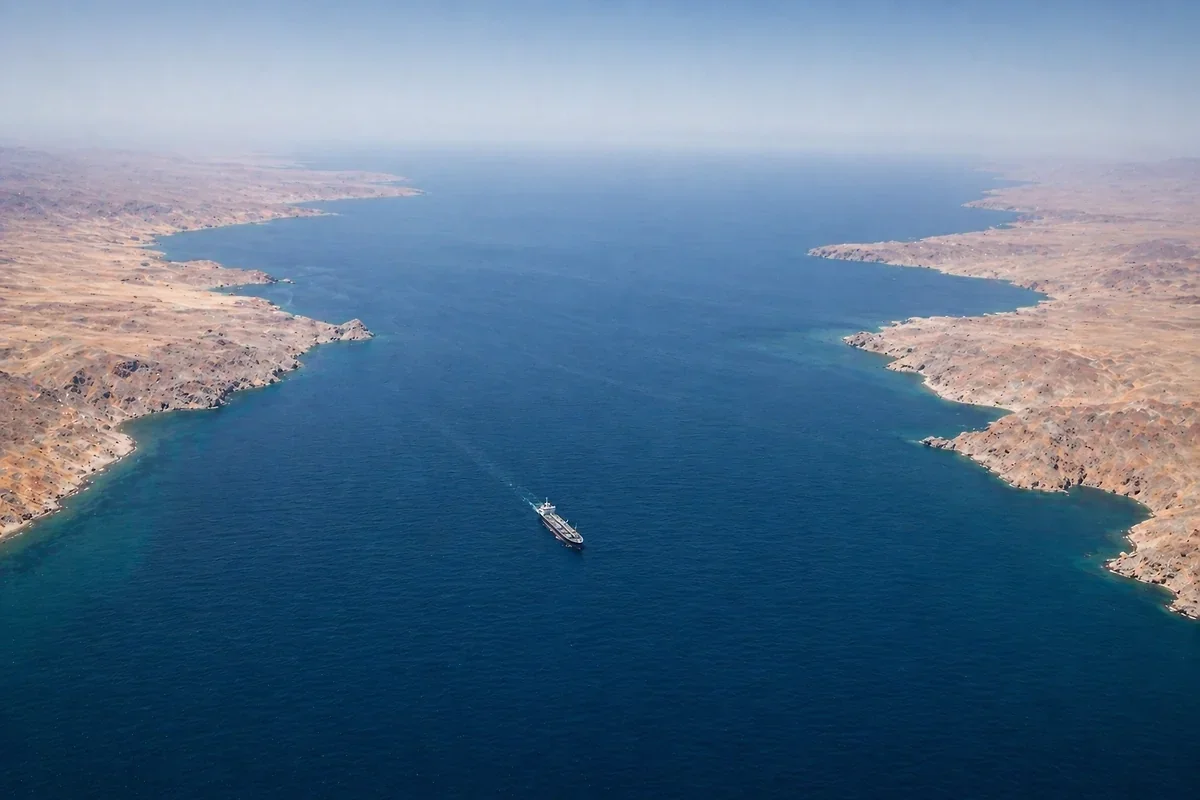
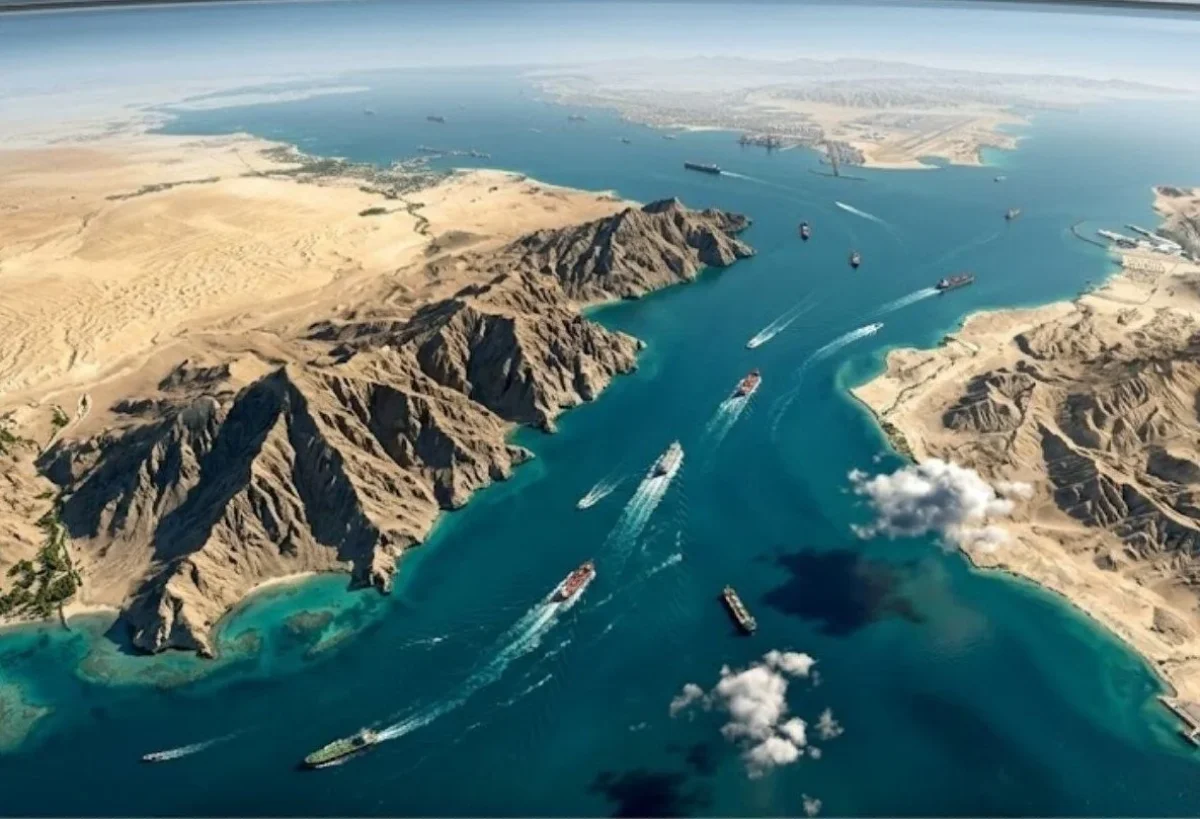
The Strait of Hormuz is a critical maritime chokepoint, connecting the Persian Gulf with the Gulf of Oman and the Arabian Sea. It serves as the world's most important oil transit route, with a significant percentage of global petroleum consumption passing through its narrow passage daily. The stability of this region is vital for global energy security and international trade.
Iran and the United States signed a memorandum on the night of June 18, aimed at concluding the military conflict that began on February 28. The agreement establishes timelines for the United States to lift the maritime blockade and for Iran to resume shipping operations in the Strait of Hormuz. Both parties are mandated to engage in negotiations over the next 60 days to finalize the terms of the de-escalation.