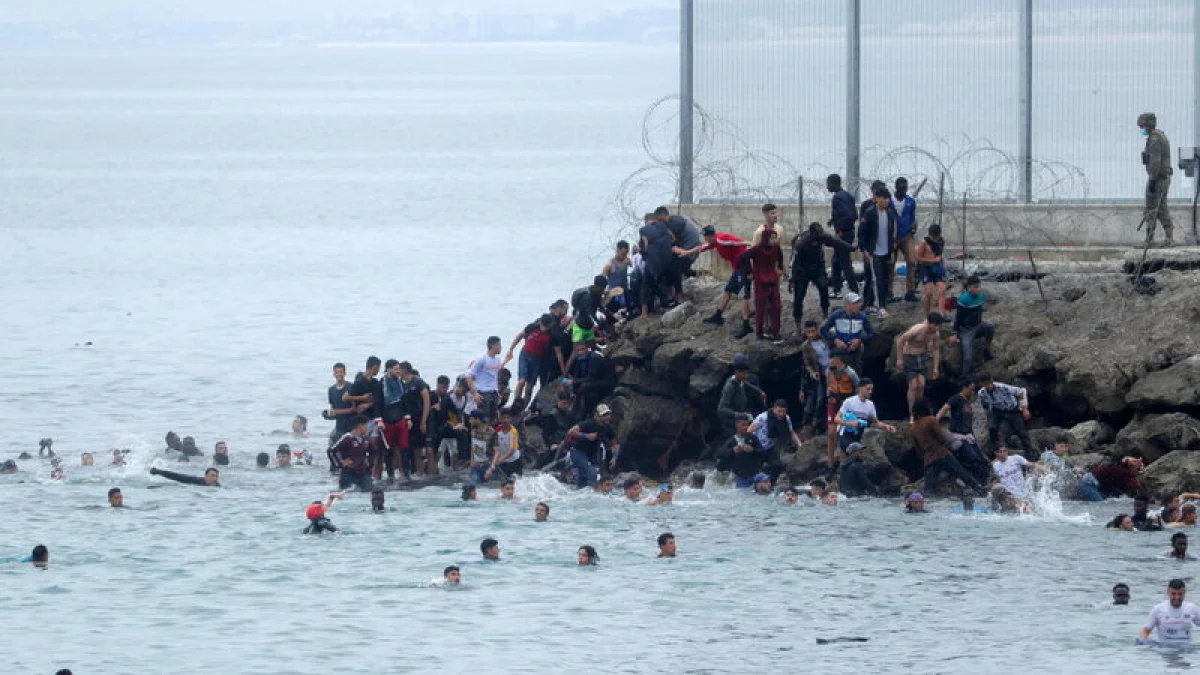
The United Nations High Commissioner for Refugees (UNHCR) has announced that approximately 2.4 million refugees worldwide will require resettlement by 2027.
According to Operative Information Center-OMM, this projection reflects ongoing global displacement challenges, as reported by international media outlets.
Jackie Keegan, Head of the Service for Durable Solutions and Field Protection Support at the UNHCR’s Division of International Protection and Solutions, stated that a significant gap persists between global resettlement needs and available capacity. She emphasized the urgent necessity to expand these programs to address the needs of vulnerable populations.
Keegan noted that while the 2.4 million figure projected for 2027 represents a 6 percent decrease compared to 2026, a substantial portion of refugees continues to face severe security risks in their host countries and remains unable to return home safely. The decline is partly attributed to shifting geopolitical dynamics, including the collapse of the Bashar al-Assad regime in Syria in December 2024, which has facilitated some voluntary returns. Similarly, a reduction in projected needs for Afghan refugees in Iran and Pakistan is linked to returns occurring under challenging conditions.
The UNHCR underscores that international support for resettlement programs remains critical for ensuring the safety and long-term stability of displaced persons. Resettlement serves as a vital protection tool for refugees who cannot return to their home countries or remain safely in their first country of asylum.