The January 20 tragedy stands as a symbol of the national memory and a chronicle of heroism for the people of Azerbaijan.
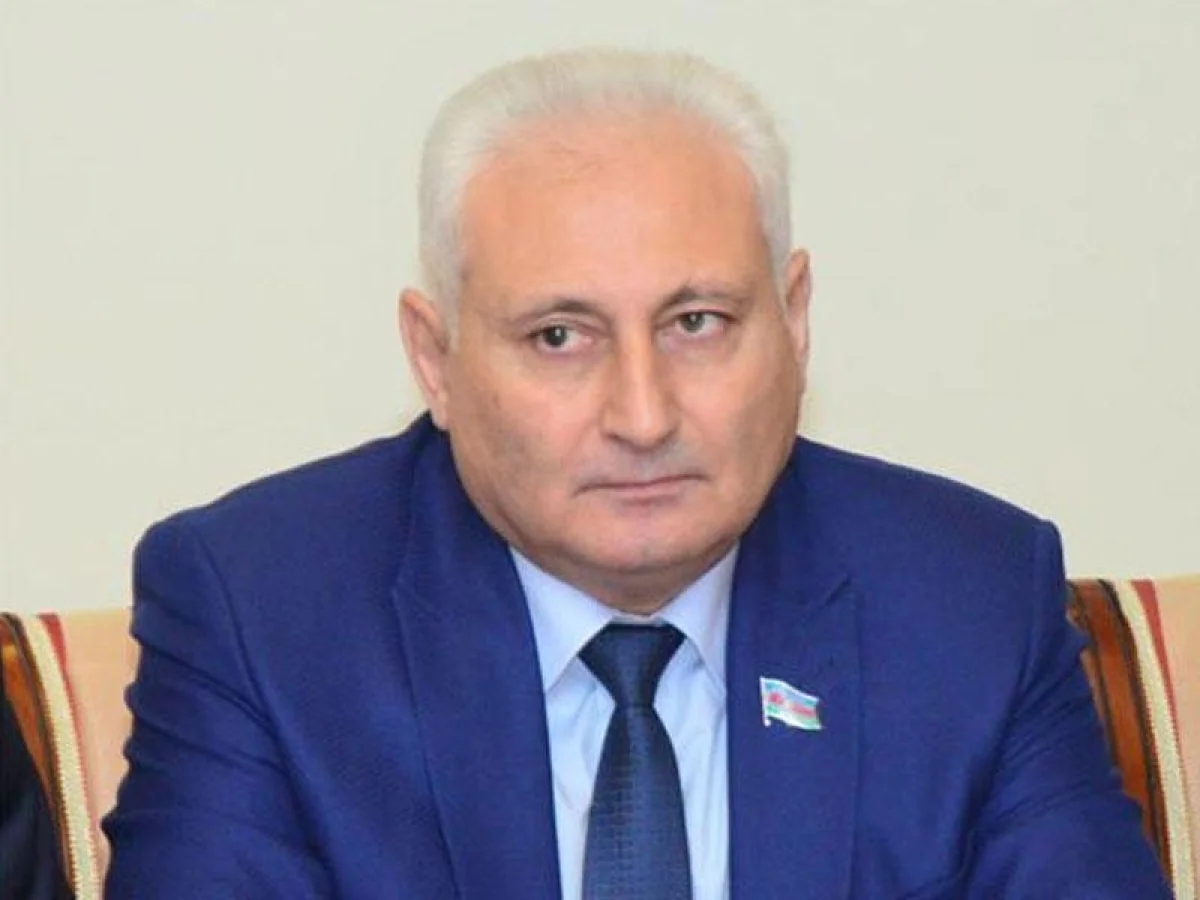
These remarks were made by Vasif Gafarov, a member of the Milli Majlis (National Assembly), in an interview with the Operative Information Center-OMM regarding the 36th anniversary of the January 20 tragedy. The deputy noted that the events of January 20 represent one of the most tragic yet honorable pages in the 20th-century history of the Azerbaijani people. According to the MP, this bloody event is etched in history not only for the killing of innocent civilians but also as the pinnacle of the nation's struggle for freedom, independence, and national dignity.
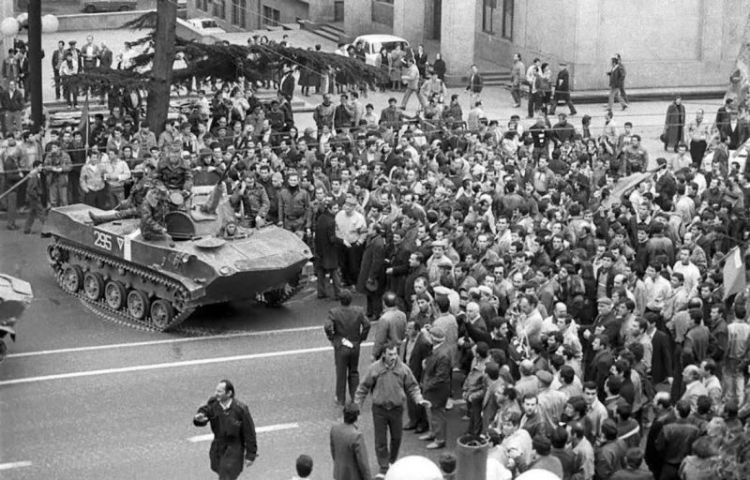
Vasif Gafarov emphasized that the processes leading to the January 20, 1990, tragedy began in 1987, characterized by the mass deportation of Azerbaijanis from their historical lands in Armenia, attempts to annex the former Nagorno-Karabakh to the Armenian SSR, and the separatist activities of Armenian nationalist circles. He stated that instead of stabilizing the situation, the leadership of the Soviet Union committed a pre-planned military crime against the people of Azerbaijan.

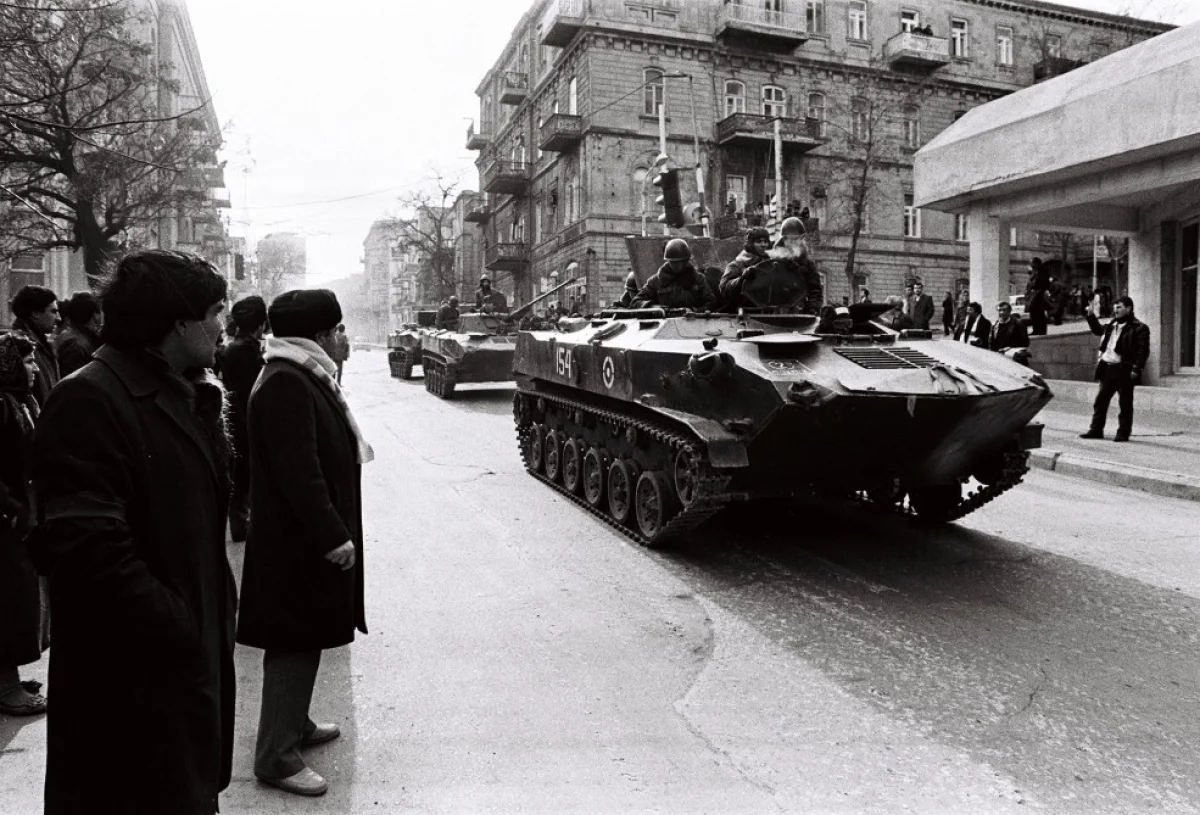
The deputy further detailed that on the night of January 19-20, 1990, units from the Soviet Ministry of Defense, the State Security Committee, and the Ministry of Internal Affairs were deployed into Baku and several regions of the republic. Peaceful civilians—including women, children, and the elderly—were fired upon with heavy military equipment, and a state of emergency was only declared after the massacre had already taken place.

As a result of the intervention, 147 people were martyred, hundreds were wounded, and many were illegally arrested, with significant damage caused to residential buildings and state property.
"This event demonstrated the true nature of the Soviet totalitarian regime to the entire world,"the MP added.

Vasif Gafarov reminded that the first principled political and legal assessment of the January 20 tragedy was given by National Leader Heydar Aliyev. On January 21, 1990, Heydar Aliyev’s statement in Moscow provided immense moral support to the Azerbaijani people. Later, in 1994, by a decision of the Milli Majlis (National Assembly), the event was officially recognized as an act of military aggression against the people of Azerbaijan.
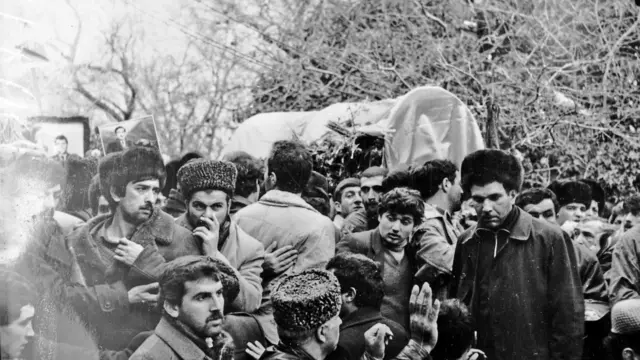
Today, the memory of the January 20 martyrs is immortalized at the state level, and January 20 is observed annually as a National Day of Mourning. Under the leadership of President Ilham Aliyev, the strengthening of social protection for the families of martyrs serves as a clear example of the state's high respect for those who sacrificed their lives. In conclusion, Vasif Gafarov stated that the January 20 tragedy remains both a great sorrow and a chronicle of national pride:
"This date became a turning point on the road to independence and will live forever in the memory of our people."
Historical Context: Black January
The events of January 20, 1990, often referred to as "Black January," marked a decisive moment in Azerbaijan's journey toward restoring its sovereignty. The military intervention was an attempt by the Soviet leadership to suppress the growing independence movement and the public outcry against territorial claims by Armenia. Despite the heavy casualties, the resolve of the Azerbaijani people remained unbroken, eventually leading to the declaration of independence in 1991. Every year, thousands of citizens visit the Alley of Martyrs in Baku to pay tribute to those who fell during the struggle for the territorial integrity and freedom of Azerbaijan.